After Industrial Age
Auburn, New York holds the late reckoning.
The place is not backdrop. Auburn matters because this is where illness, care, memory, and reputation all meet the question of who gets to tell the life truthfully.
A home that is also a threshold: part refuge, part sickroom, part archive of what may still be lost or softened.
Auburn explains why the encounter begins in stillness instead of motion. The danger is quieter here, but it is still pressure: weakness, caretaking, blurred memory, and the fear of being simplified.
It also turns the journey toward the book, because staying with Harriet now means following the memories, bargains, and rescues that one room can no longer hold by itself.
Remain with this life
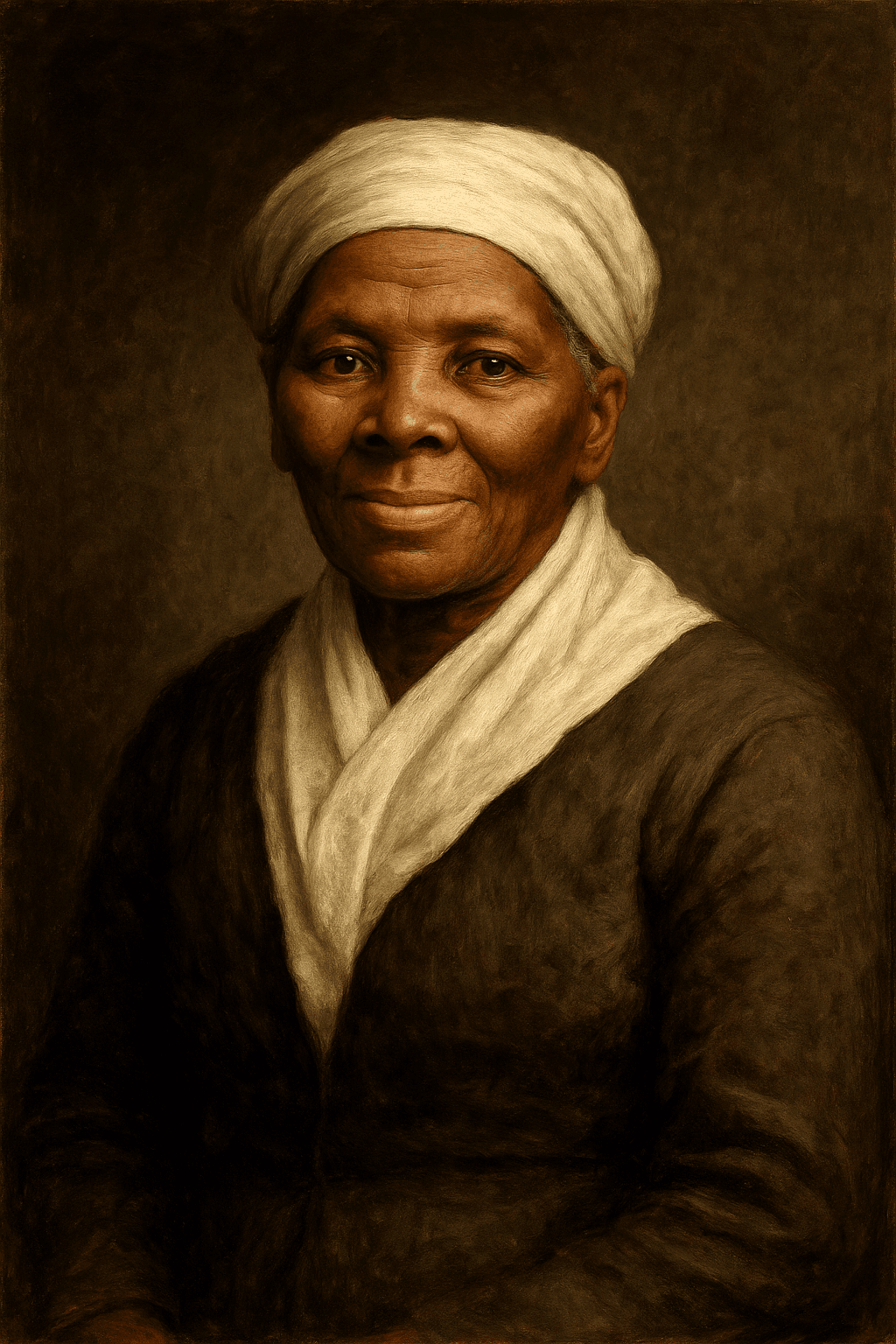
Stay with Harriet in the book.
The journey has brought you to Harriet Tubman's room, the shared burden of witness, the wider century, and the place where memory is under pressure. The book lets that same life continue without interruption.
Harriet Tubman / 1912 - Auburn, New York
At Auburn, a woman who freed hundreds through the Underground Railroad sets down the journeys that no document ever recorded.
Continue
Then let the next life begin.
Membership opens the wider Meet the Past library for EUR 49/year when you want the next encounter to begin as this one closes.
Return to Harriet now that the place is clearer.
Go back to the opening room and feel more precisely how much of the pressure comes from the setting as well as the body.
Step back to the wider century behind the room.
Auburn matters most when the visitor can still see the unfinished age pressing through its quiet.
Known
The governed Harriet Tubman volume anchors her in Auburn, New York in 1912, and the governed place registry includes Auburn as a canonical location.
Reading
This step reads Auburn as both shelter and pressure because the governed time-anchor text keeps returning to bodily weakness, caretaking, and anxiety over how the story will be told.