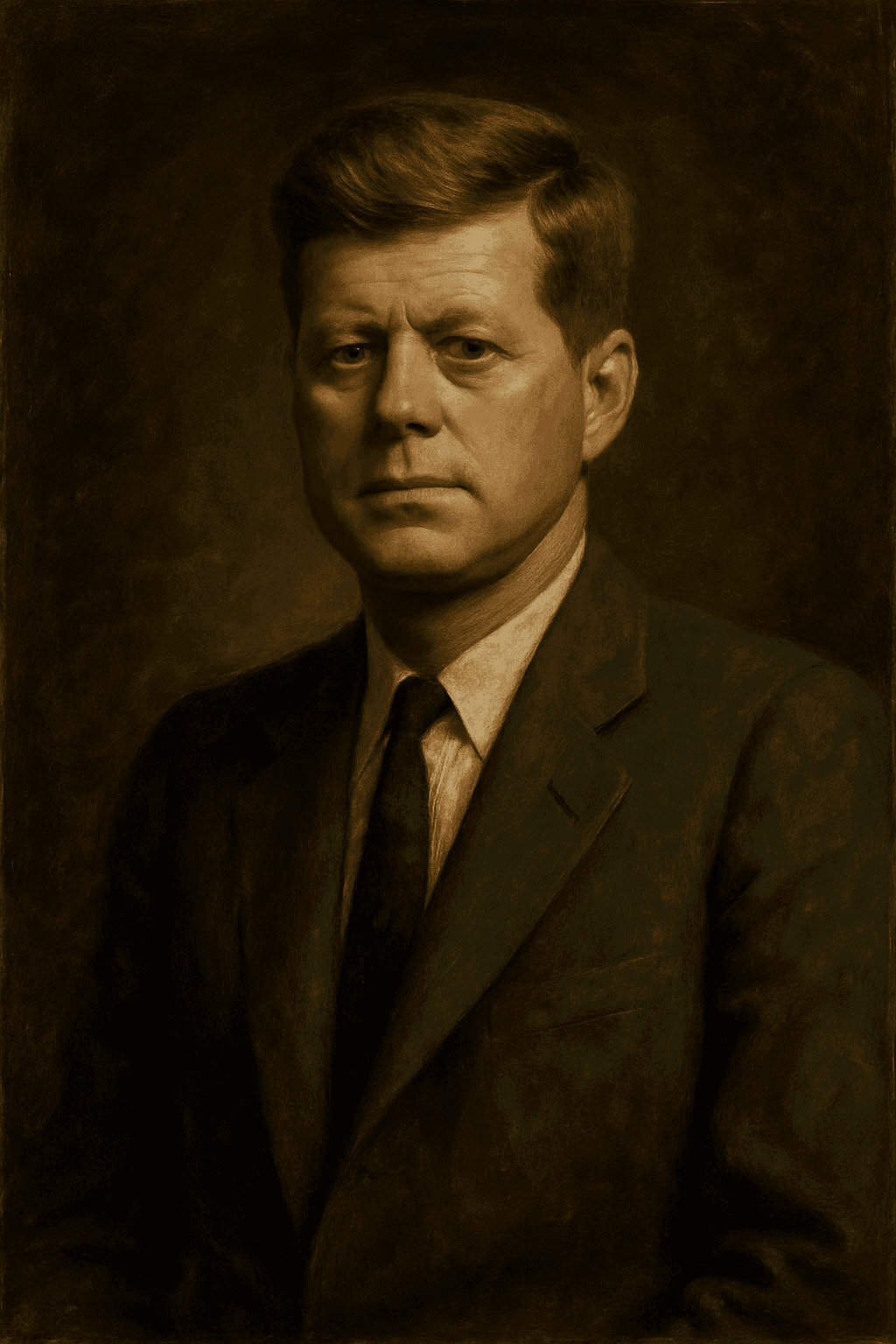
John F. Kennedy
1963 - White House
Pain management, speed, and mythmaking around youthful command.
In the White House, between pain and intelligence briefings, a president writes what the cameras were never allowed to see.
Open this life
By time
Choose a stretch of time, meet the people gathered there, and move outward through the places that held them.
Current period
1963 to 1963 opens onto 1 life, 1 place story, and 1 named historical windows.
Lives in this period
These are the clearest lives to open first when you want a person, not a date label, to lead you into the period.
Places inside this time
In 1963 to 1963, use the same years to move from chronology into cities, courts, islands, and regions that already carry deeper context.
Named windows
1 windows to step into
Modern
1914 to 1980
The century of ideology, media power, and private lives lived at full public scale.
33 lives visible here
26 place stories active in the same years
Enter this periodTime travel
1963 CE to 1963 CE
Time controls
Change the span without losing your route back into the lives and places already visible in this period.
1 place story is visible in this time window.
Chronology
Move year by year, compare one life with the next, and open a person directly when the route becomes clear.
1963 - White House
Place story available
Pain management, speed, and mythmaking around youthful command.
In the White House, between pain and intelligence briefings, a president writes what the cameras were never allowed to see.
1963 to 1963 across the atlas
1963 - White House
Decades
Timeline detail
1963 - White House
John F. Kennedy stands at 1963 - White House, with connected routes through neighbouring lives, places, and historical pressure.
Read next
The strongest outward route from this moment in time.
6 explainable routes
1894 - Washington, D.C.
A different American voice forcing the promise of the republic into sharper moral focus.
In Washington, as his body fails, the man who escaped slavery and changed a nation confronts what the republic still refuses to face.
Open this life
1865 - White House, Washington
Victory, reconstruction, and the unfinished cost of union.
A far earlier presidency where the stakes of national fracture were even more final.
In the final winter of the Civil War, a president confronts the distance between saving the Union and saving himself.
Open this life
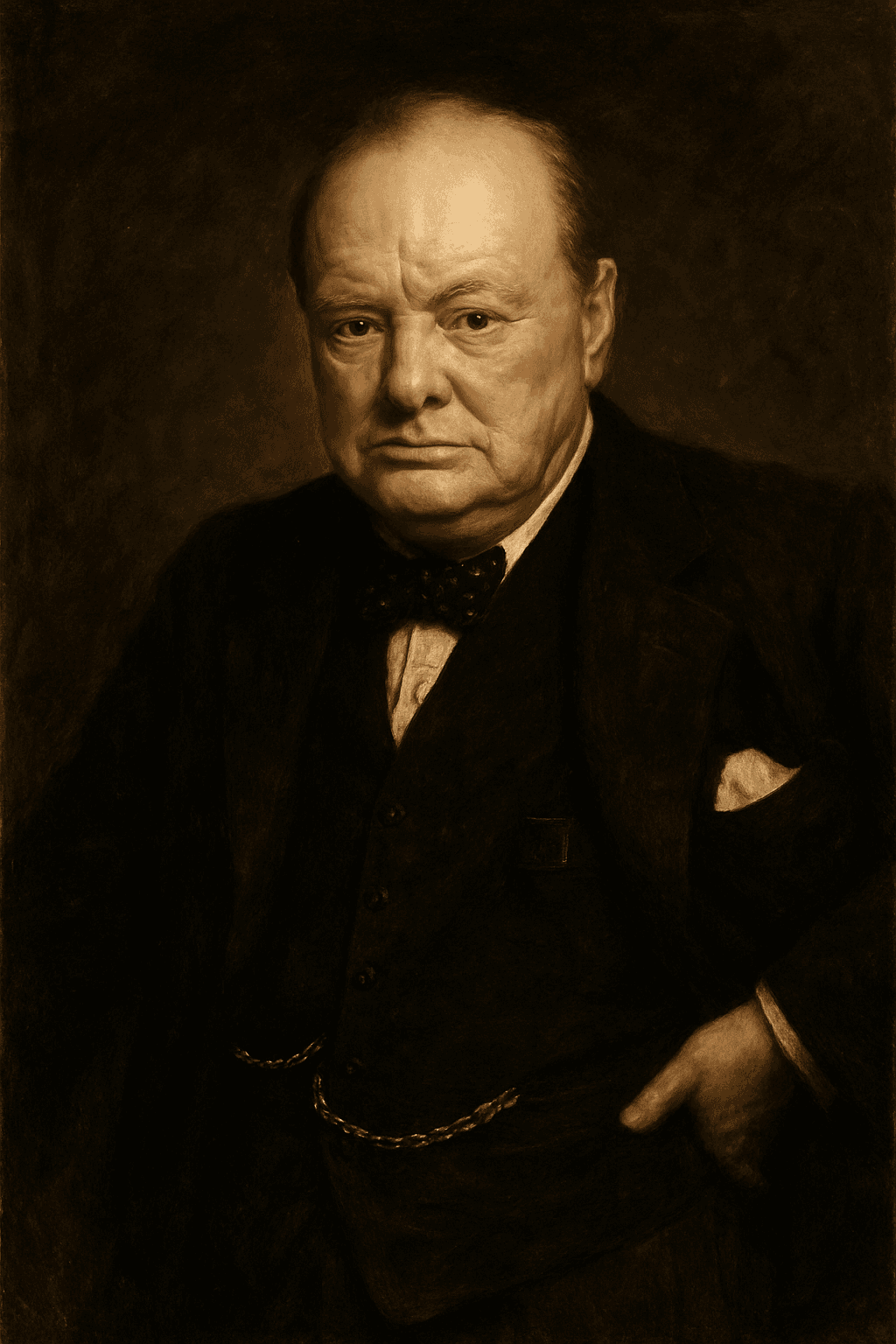
1955 - Hyde Park Gate, London
Victory, ageing power, and the fight to shape the peace.
Nearby in time, but facing a different kind of historical pressure.
After the war, after the applause, after the second stroke — a prime minister reckons with what victory actually cost.
Open this life
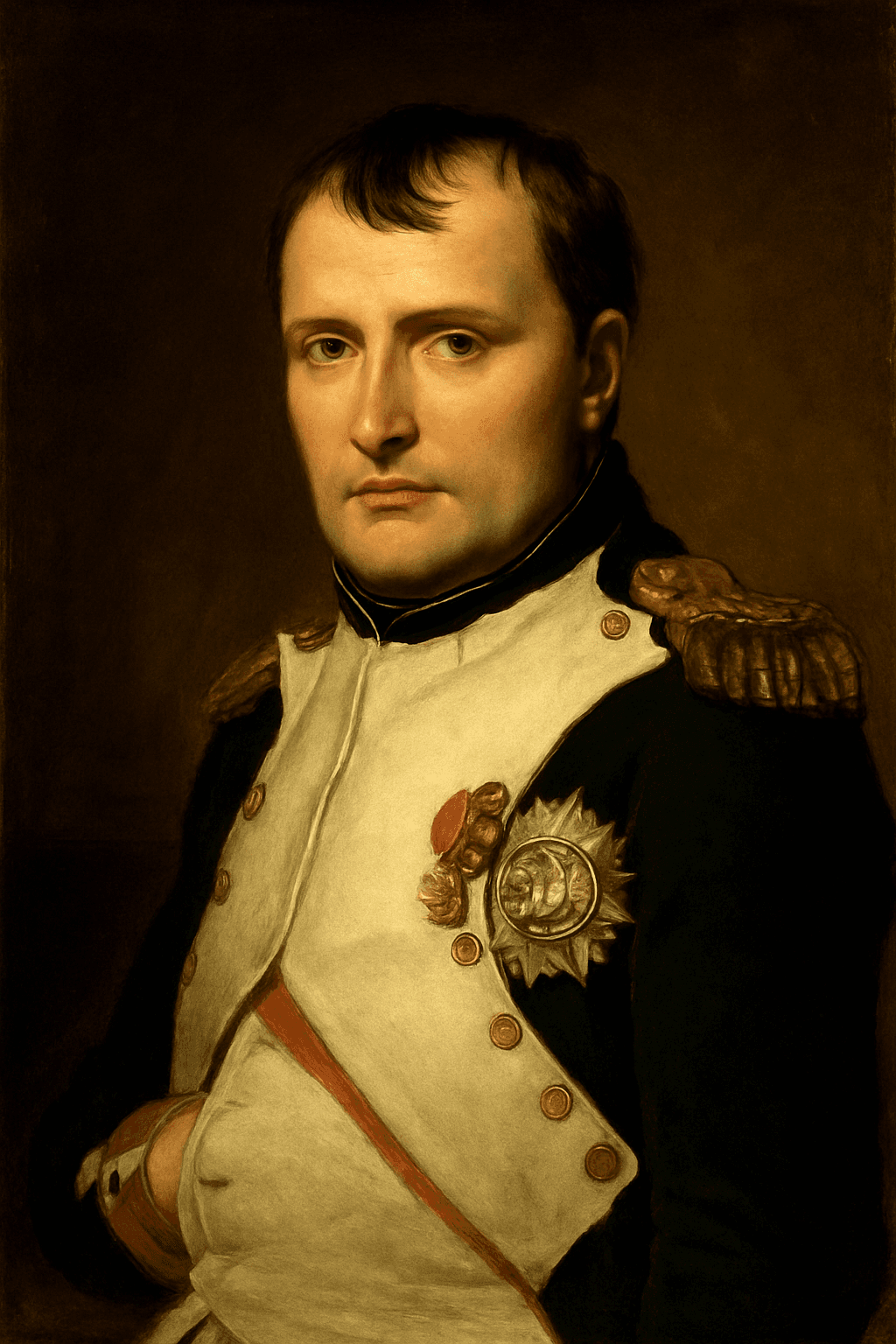
1820 - Longwood House, Saint Helena
war-and-command
A contrasting life shaped by war and command.
Exiled to a rock in the Atlantic, a fallen emperor dictates the version of events his enemies will never be able to answer.
Open this life
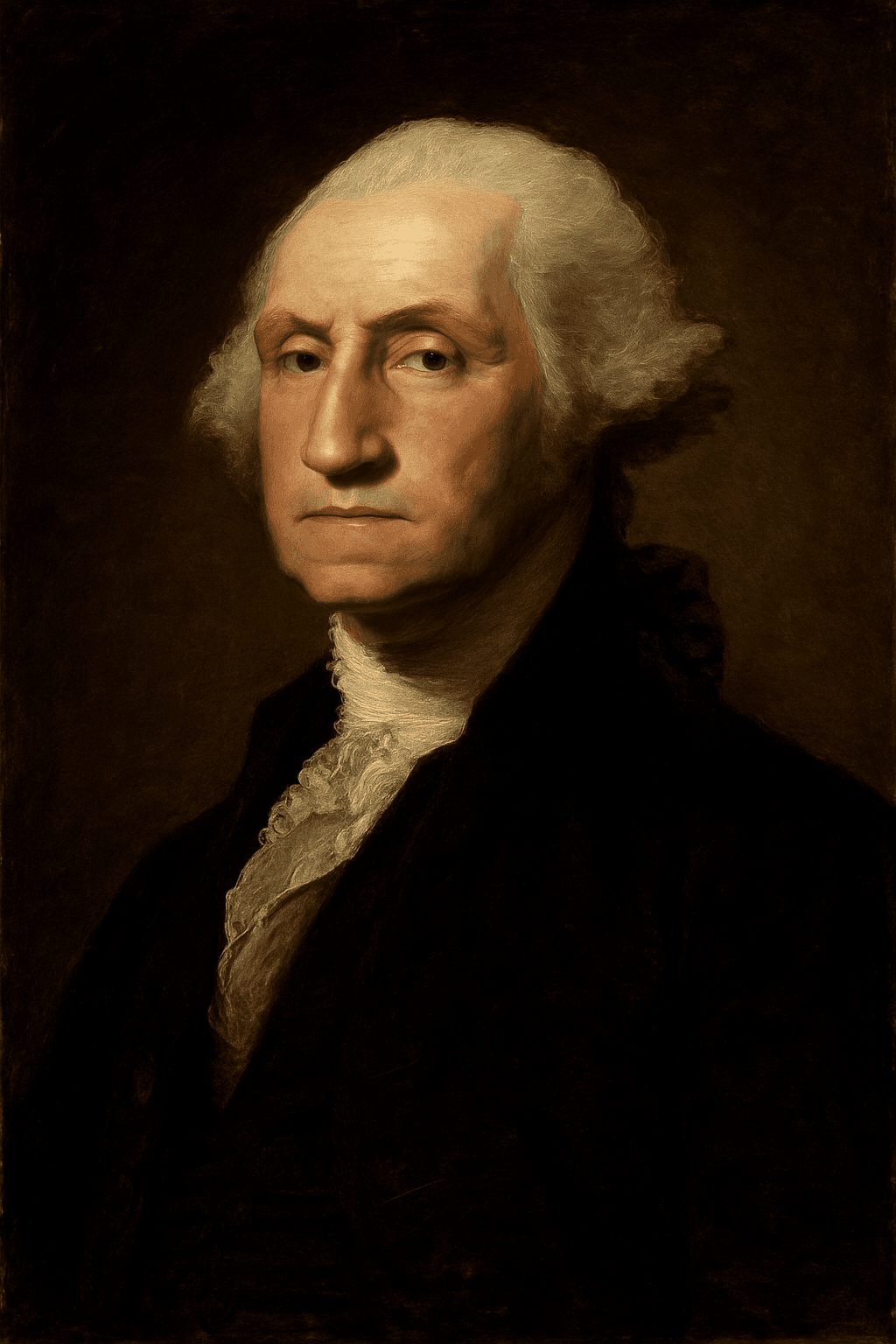
1799 - Mount Vernon
Retirement, republican virtue, and the afterlife of command.
The founding office before modern media and Cold War theatre transformed it.
In his last year at Mount Vernon, the father of a nation admits what the republic asked of him — and what it took.
Open this life
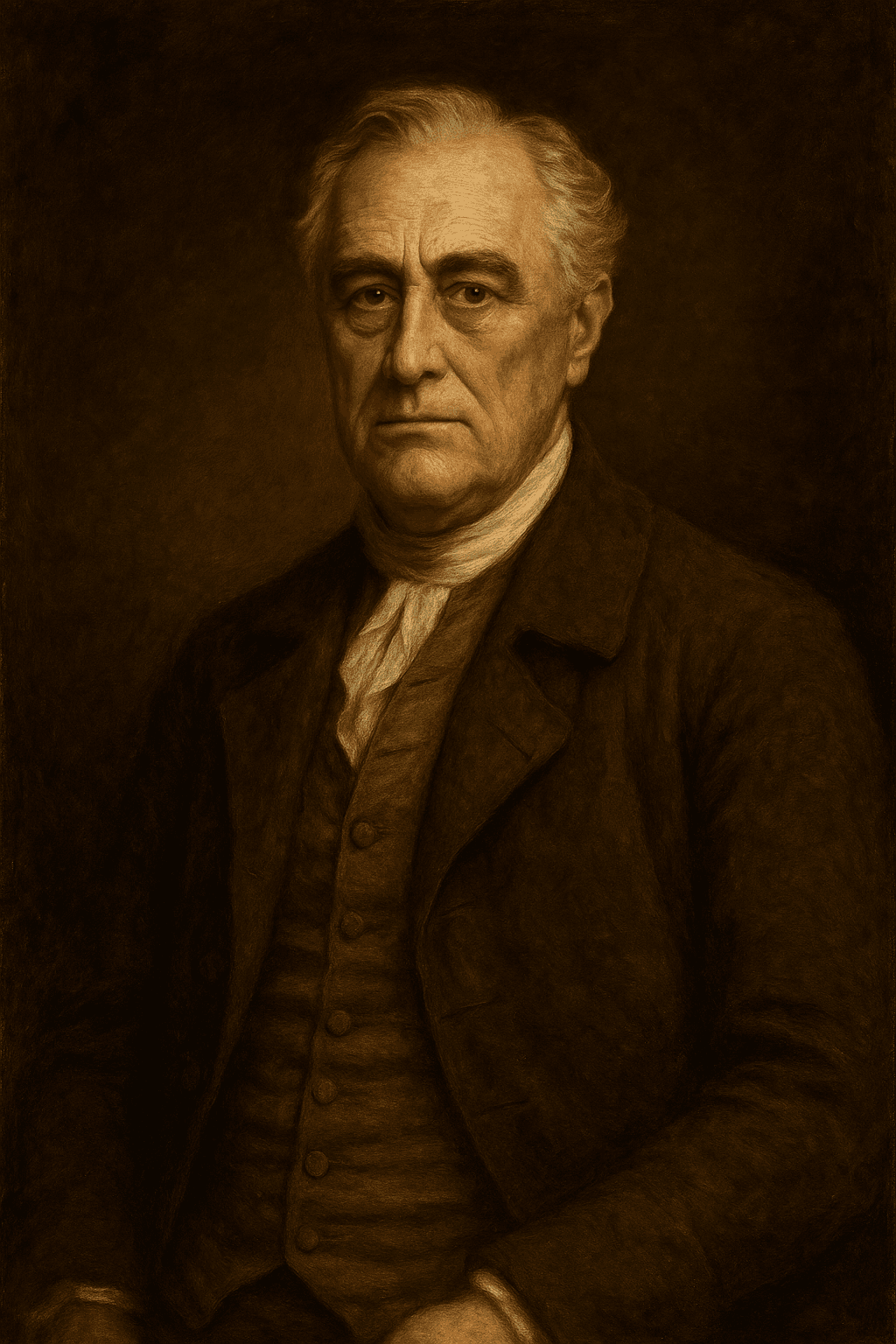
1945 - Warm Springs
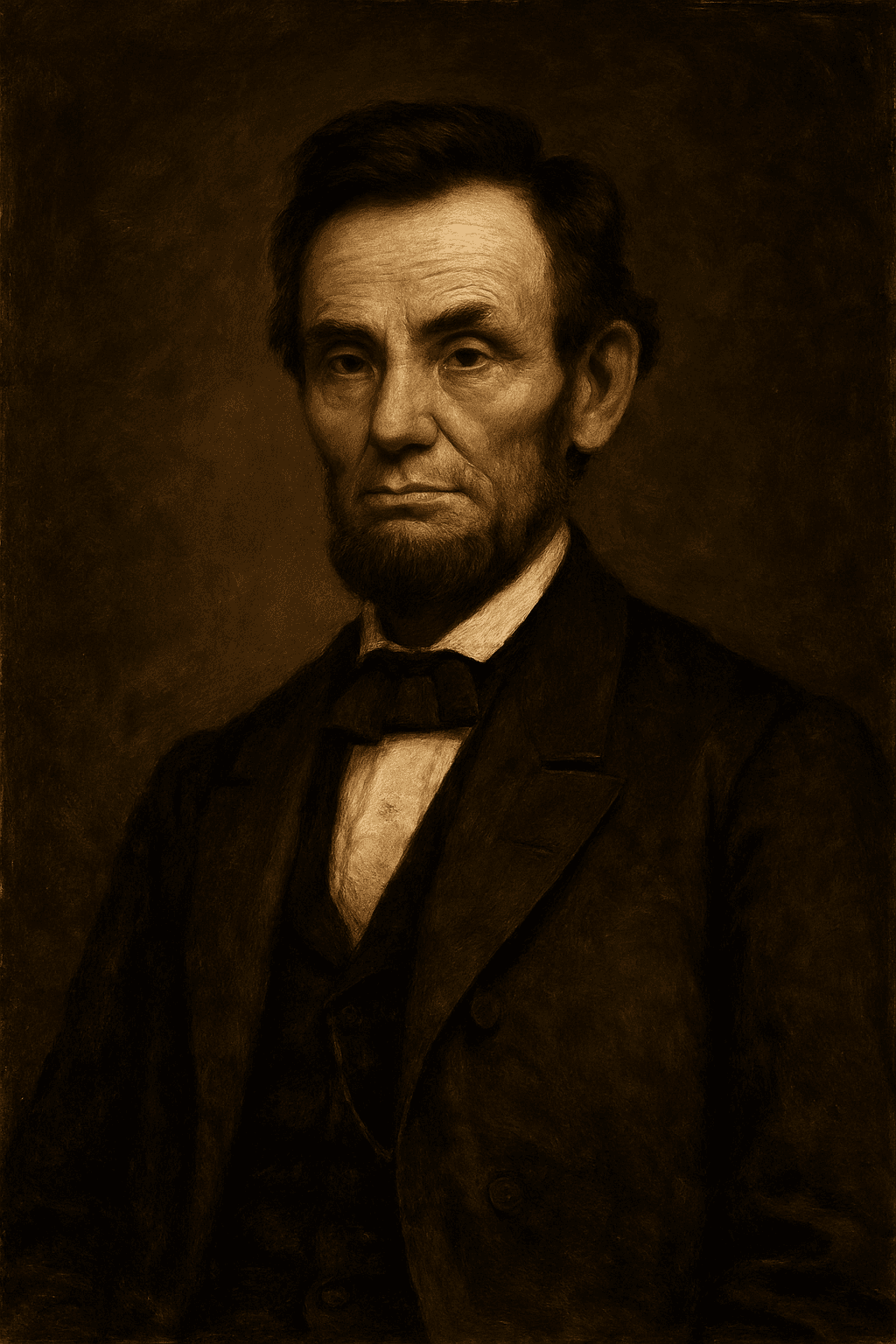
Concealed weakness, wartime reassurance, and the private cost of calm.
A prior American leader whose war presidency enlarges the office Kennedy inherits.
In the final weeks of the war, a president whose body has been failing for years faces the cost of leading from a wheelchair.
Open this life
Related people
Rivals, mirrors, predecessors, and successors that sharpen the meaning of this life.
4 explainable routes
1894 - Washington, D.C.
A different American voice forcing the promise of the republic into sharper moral focus.
In Washington, as his body fails, the man who escaped slavery and changed a nation confronts what the republic still refuses to face.
Open this life
1865 - White House, Washington
Victory, reconstruction, and the unfinished cost of union.
A far earlier presidency where the stakes of national fracture were even more final.
In the final winter of the Civil War, a president confronts the distance between saving the Union and saving himself.
Open this life
1799 - Mount Vernon
Retirement, republican virtue, and the afterlife of command.
The founding office before modern media and Cold War theatre transformed it.
In his last year at Mount Vernon, the father of a nation admits what the republic asked of him — and what it took.
Open this life
1945 - Warm Springs
Concealed weakness, wartime reassurance, and the private cost of calm.
A prior American leader whose war presidency enlarges the office Kennedy inherits.
In the final weeks of the war, a president whose body has been failing for years faces the cost of leading from a wheelchair.
Open this life
Related pressures
Move into connected lives through pressure, continuity, and contrast.
4 explainable routes
1955 - Hyde Park Gate, London
Victory, ageing power, and the fight to shape the peace.
Nearby in time, but facing a different kind of historical pressure.
After the war, after the applause, after the second stroke — a prime minister reckons with what victory actually cost.
Open this life
1820 - Longwood House, Saint Helena
war-and-command
A contrasting life shaped by war and command.
Exiled to a rock in the Atlantic, a fallen emperor dictates the version of events his enemies will never be able to answer.
Open this life
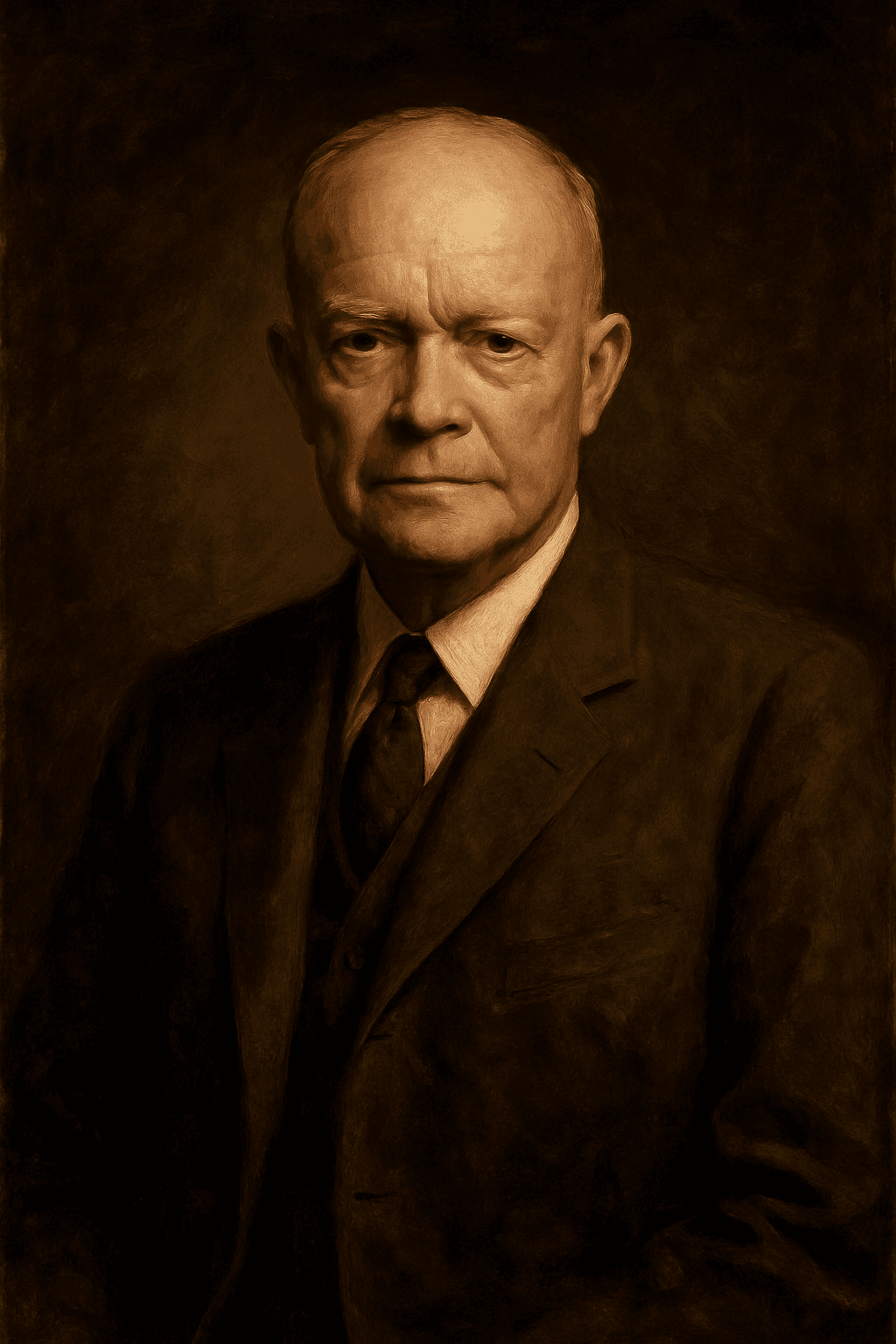
1968 - Gettysburg, Pennsylvania
Order, fatigue, and the afterlife of command in a disordered republic.
Nearby in time, but facing a different kind of historical pressure.
On his farm in Gettysburg, a general who commanded the liberation of Europe reflects on the wars that followed.
Open this life
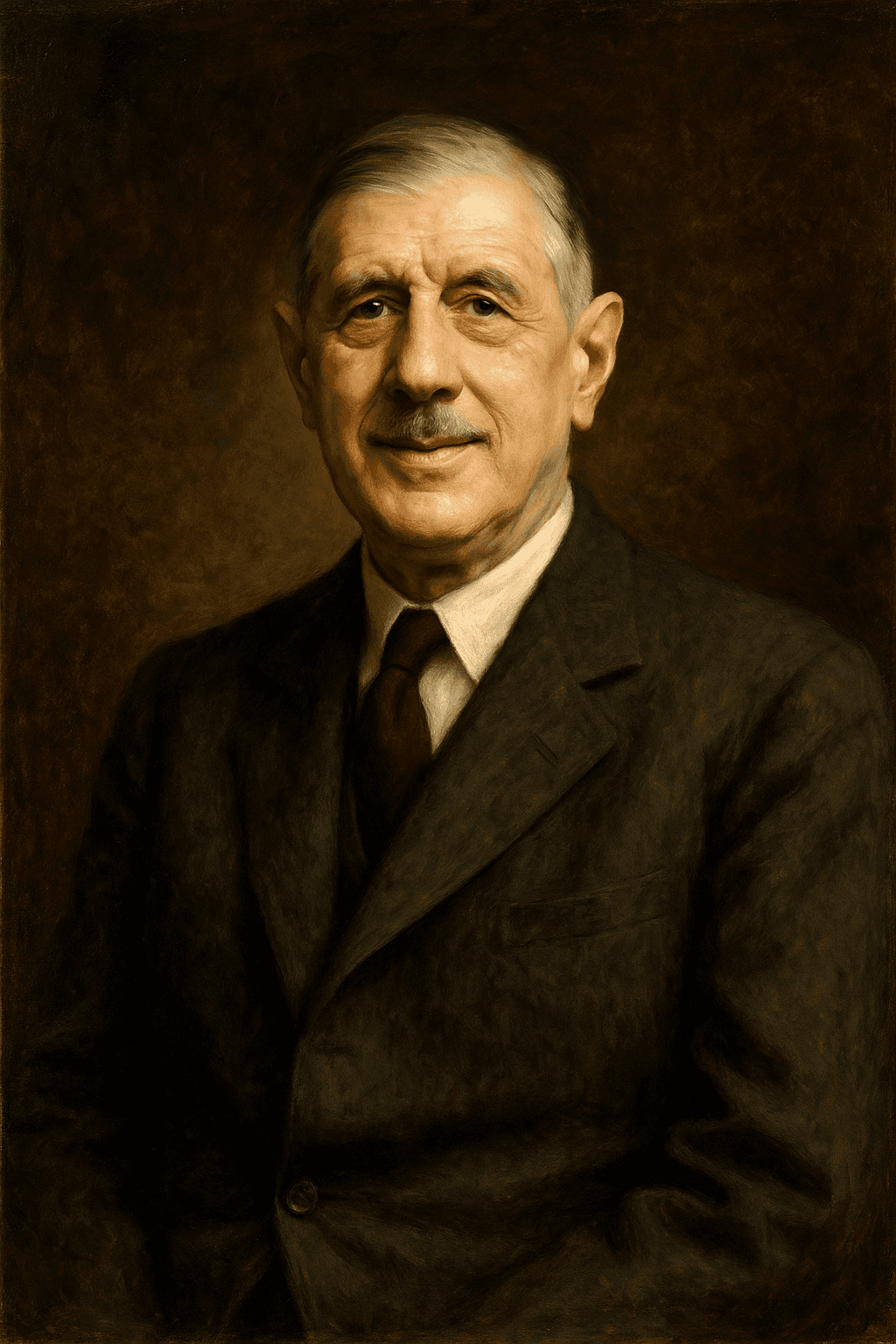
1969 - Colombey-les-Deux-Eglises
Rejection, national embodiment, and the politics of post-power simplification.
Nearby in time, but facing a different kind of historical pressure.
At Colombey, having walked away from power a second time, a general asks whether France understood what he tried to build.
Open this life