Place
Discovery routePlace
Connected through this place
Breslau
1813-1831
Open the place story that holds Carl von Clausewitz's recorded setting.
Open place story
A Private Life
1831 · Breslau
You have entered Carl von Clausewitz's life. Continue reading from within, or move outward through people, place, and time.
Continue reading
The opening has already brought you into the life. Full reading inside Meet the Past is not currently enabled for this volume, but its people, place, and time remain open from here.
Current section
Opening
This life already begins in full on the page before the reading handoff.
Next step
People, place, and time
From this opening, the wider historical world around the life remains open.
Full reading
The opening remains here, and the wider historical world around this life stays open through people, place, and time.
Historical connections
Move outward from this life through related people, shared places, and the period around it.
5 discovery routes
Connected through this place
1813-1831
Open the place story that holds Carl von Clausewitz's recorded setting.
Open place story
Connected through this period
1825 to 1914
Reform, invention, nationalism, and new public expectations of leadership.
Open this period
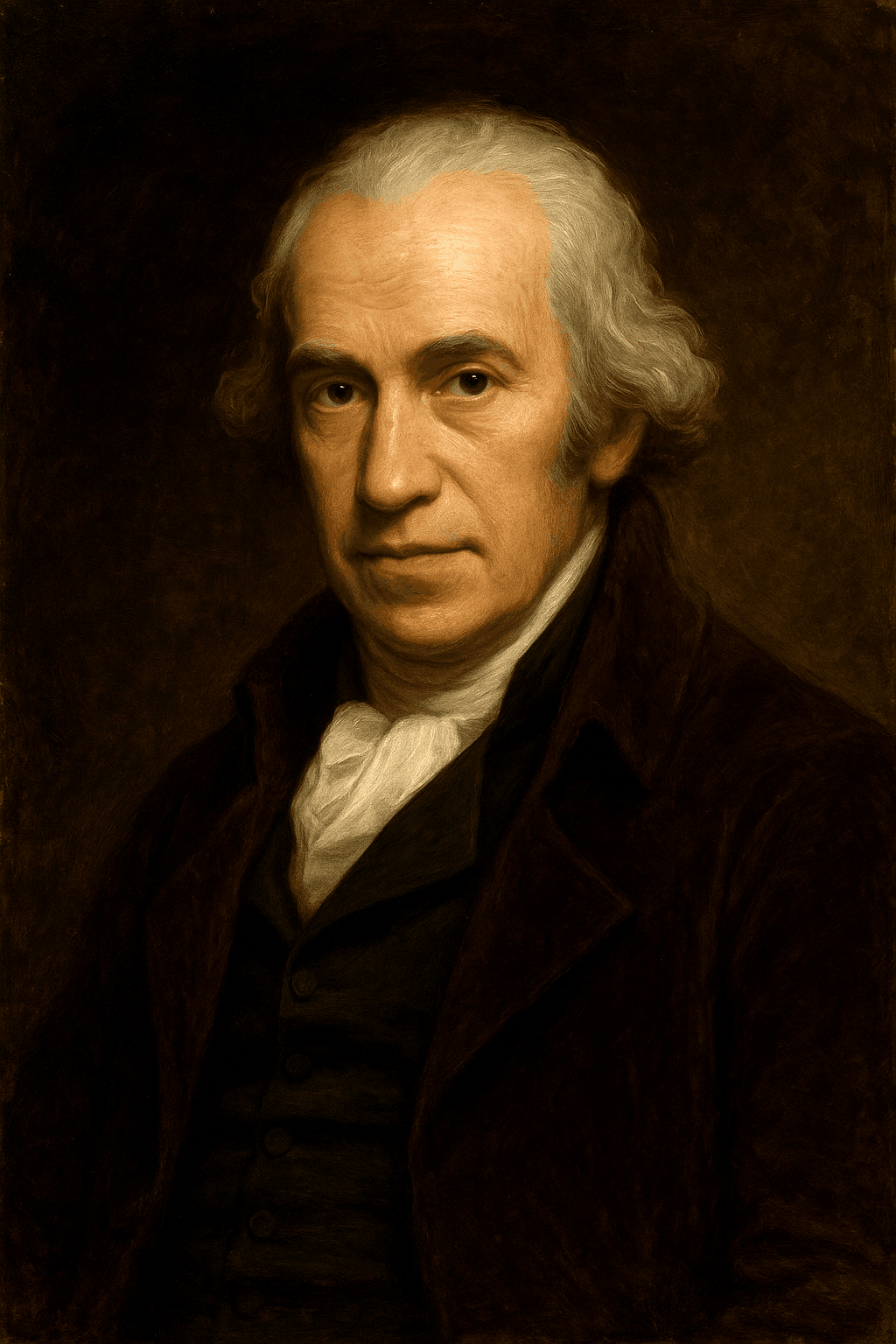
Connected through this period
James Watt: A Private Life
1819 - Heathfield Hall, Handsworth
Nearby in time, but facing a different kind of historical pressure.
Open this life
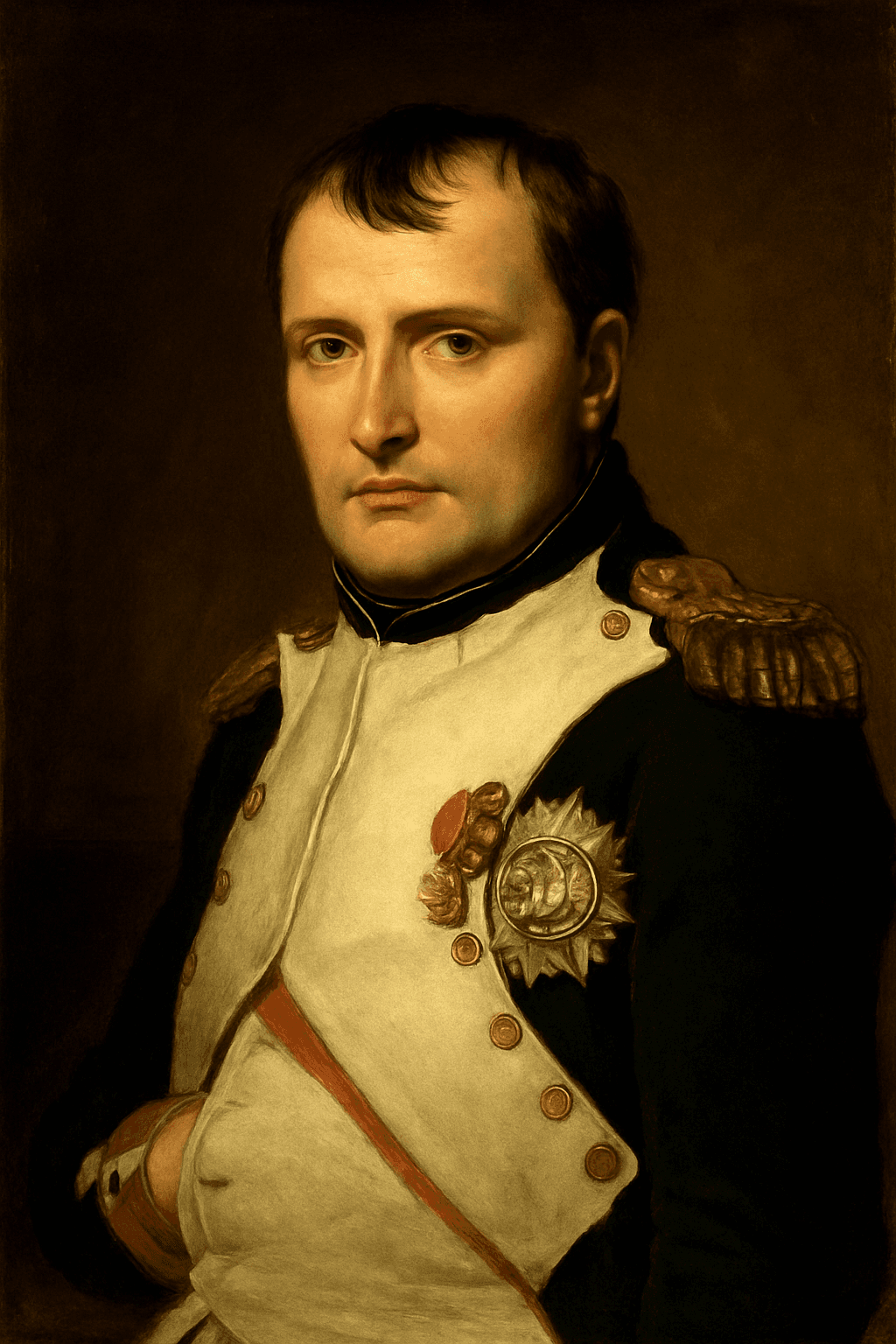
Connected through this period
Napoleon Bonaparte: A Private Life
1820 - Longwood House, Saint Helena
Nearby in time, but facing a different kind of historical pressure.
Open this life
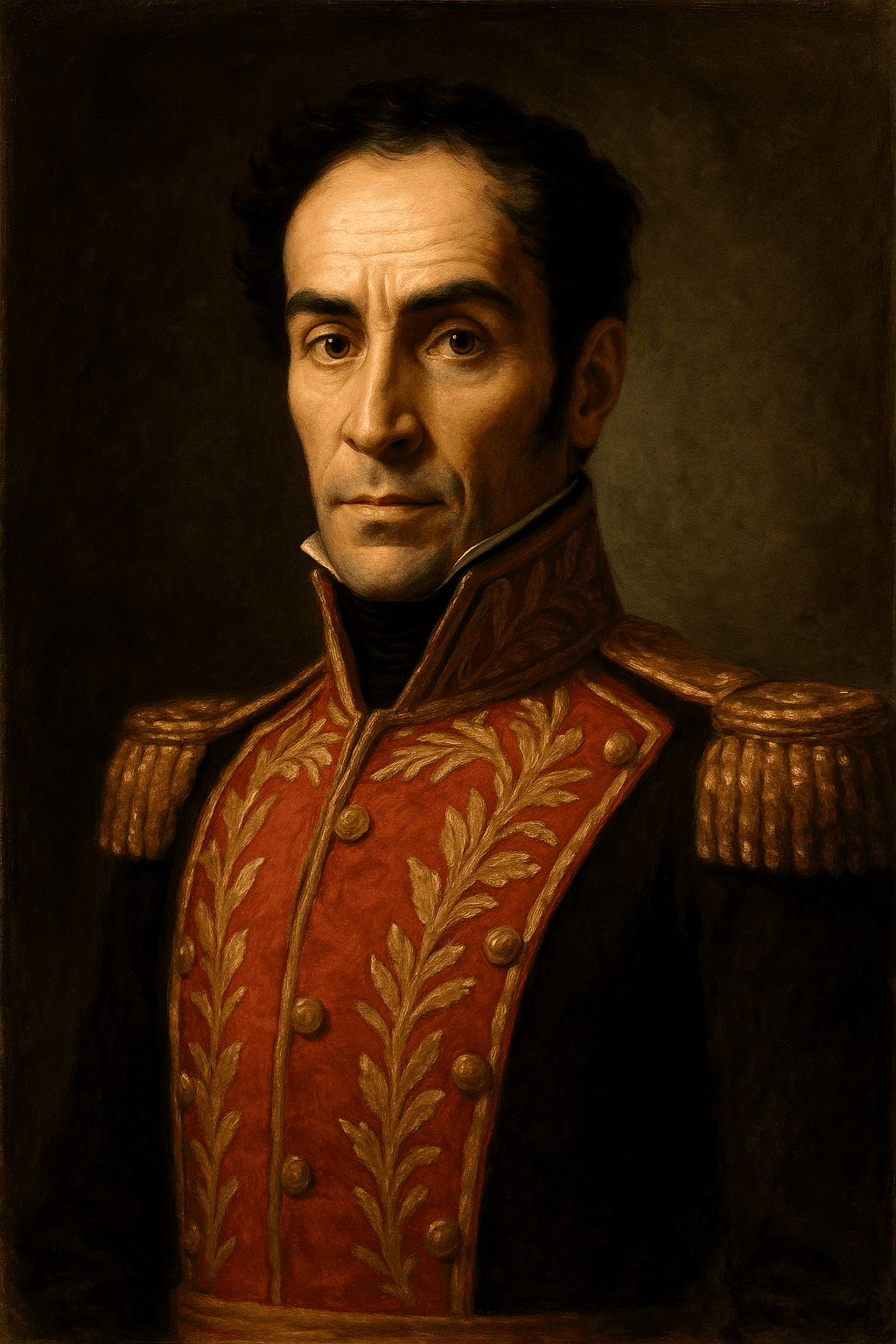
Connected through this period
Simón Bolívar: A Private Life
1830 - Santa Marta
Nearby in time, but facing a different kind of historical pressure.
Open this life
Historical context
Time travel
Carl von Clausewitz · Breslau · 1831 CE
This view does not show the active year, era, place, region. It is kept so you can return to it.