Skip to content

Rembrandt: A Private Life

A Private Life

1669 · Amsterdam

You have entered Rembrandt's life. Continue reading from within, or move outward through people, place, and time.

1669, Amsterdam.

I am sixty-three years old. Titus has been dead for a year. Hendrickje has been dead for six years. The bankruptcy was declared twelve years ago and I have been painting in hired rooms ever since, and the painting continues, because it is the only thing that has not left.

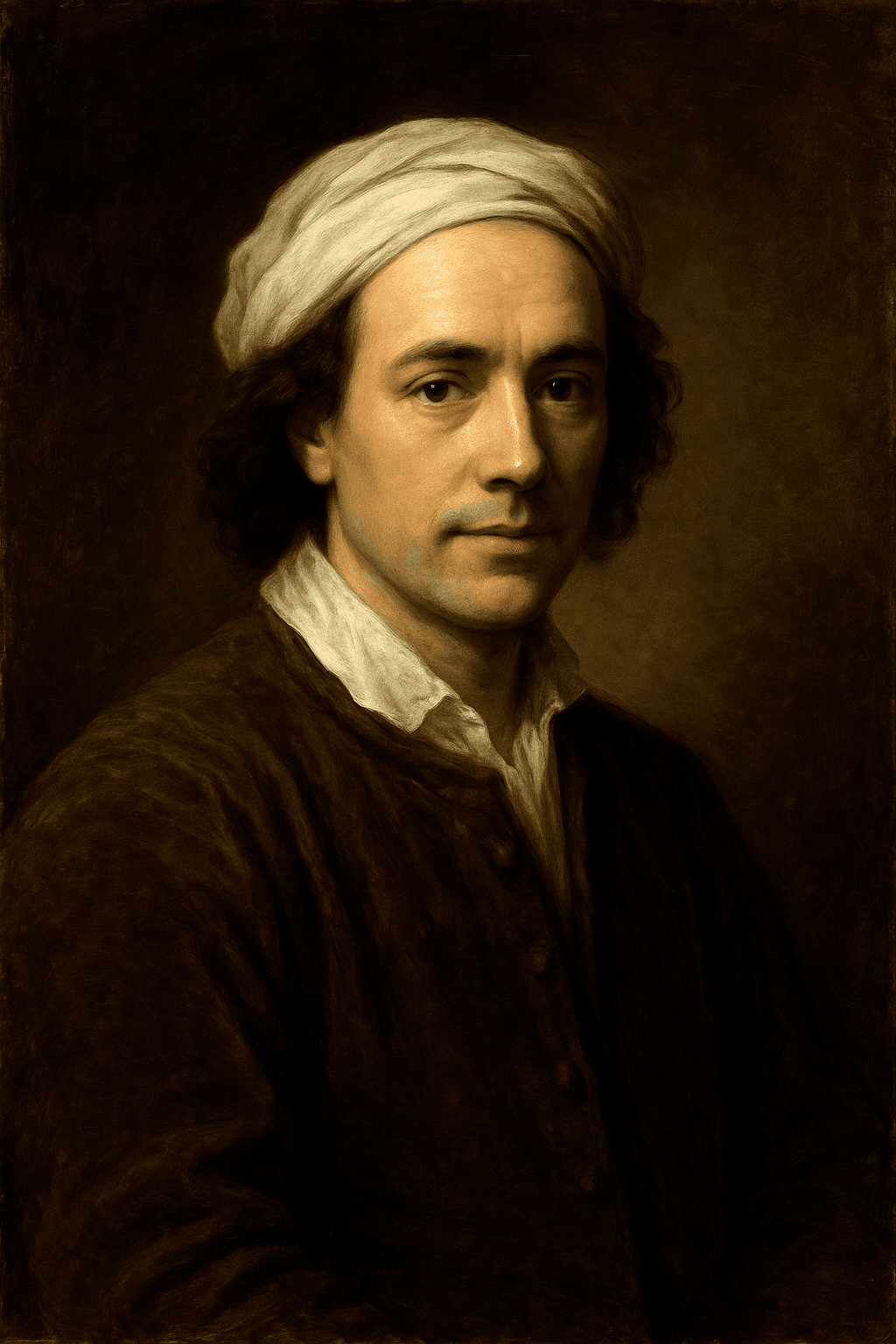
I write this in the autumn, in rooms on the Rozengracht that are nothing like the house on the Breestraat that I lost, and the difference between the two addresses is the difference between the man I was at thirty-five and the man I am now, which is not a comfortable difference to contemplate but which I contemplate often, usually in the hours before first light when the sleep has left and the work is not yet possible and there is nothing to do but think. The self-portraits are on the easel and on the wall around it, dozens of them across forty years, the face at every age from the young man in Leiden who was testing the limits of his own ability to the old man in these rooms who is testing something different, something that is not ability in the technical sense but is more like willingness, the willingness to look at the face without the flattering adjustments that most portrait painters apply as a professional courtesy to their subjects, and which I cannot apply to myself because I have never been able to afford the courtesy when looking in the mirror.

Titus was twenty-seven when he died, in September of last year, less than a year after his marriage to Magdalena van Loo, who is now a widow at twenty and who is carrying Titus’s child, my grandchild, whom I will meet if I live long enough. I think I will live long enough. The body continues to function at a level that is not comfortable but is functional, and the painting that is on the easel is a painting I intend to finish, which requires living long enough to finish it, and I intend to do this. What I do not intend to do is to pretend that Titus’s death has not changed the quality of the time that remains, because it has changed it in ways I do not fully have language for, which is itself unusual, because I have always found language available for the things the painting could not contain, and the paintings from this last year are the quietest I have made and the language is also quiet in ways that are new to me.

I write this now because the painting cannot hold everything, and because there are things about the sixty-three years that I have not said to anyone and that I should say somewhere before I stop, and this is the somewhere. Though I notice, as I write that sentence, that I am not sure I know what those things are. Or whether saying them here will do what I think saying them will do. I have been finding, these last weeks, that the sentences I begin in the expectation of arrival do not arrive where I expected them to go, and this is a different experience from what writing has been before, when the direction was clearer to me even when the destination was not.

Continue reading

Stay with the opening, then follow outward.

The opening has already brought you into the life. Full reading inside Meet the Past is not currently enabled for this volume, but its people, place, and time remain open from here.

Current section

Opening

This life already begins in full on the page before the reading handoff.

Next step

People, place, and time

From this opening, the wider historical world around the life remains open.

Full reading

Full reading inside Meet the Past is not currently enabled for this life.

The opening remains here, and the wider historical world around this life stays open through people, place, and time.

Historical connections

Follow the connections

Move outward from this life through related people, shared places, and the period around it.

5 discovery routes

Historical context

Time travel

Move through people, place, and time

Rembrandt · Amsterdam · 1669 CE

This view does not show the active year, era, place, region. It is kept so you can return to it.