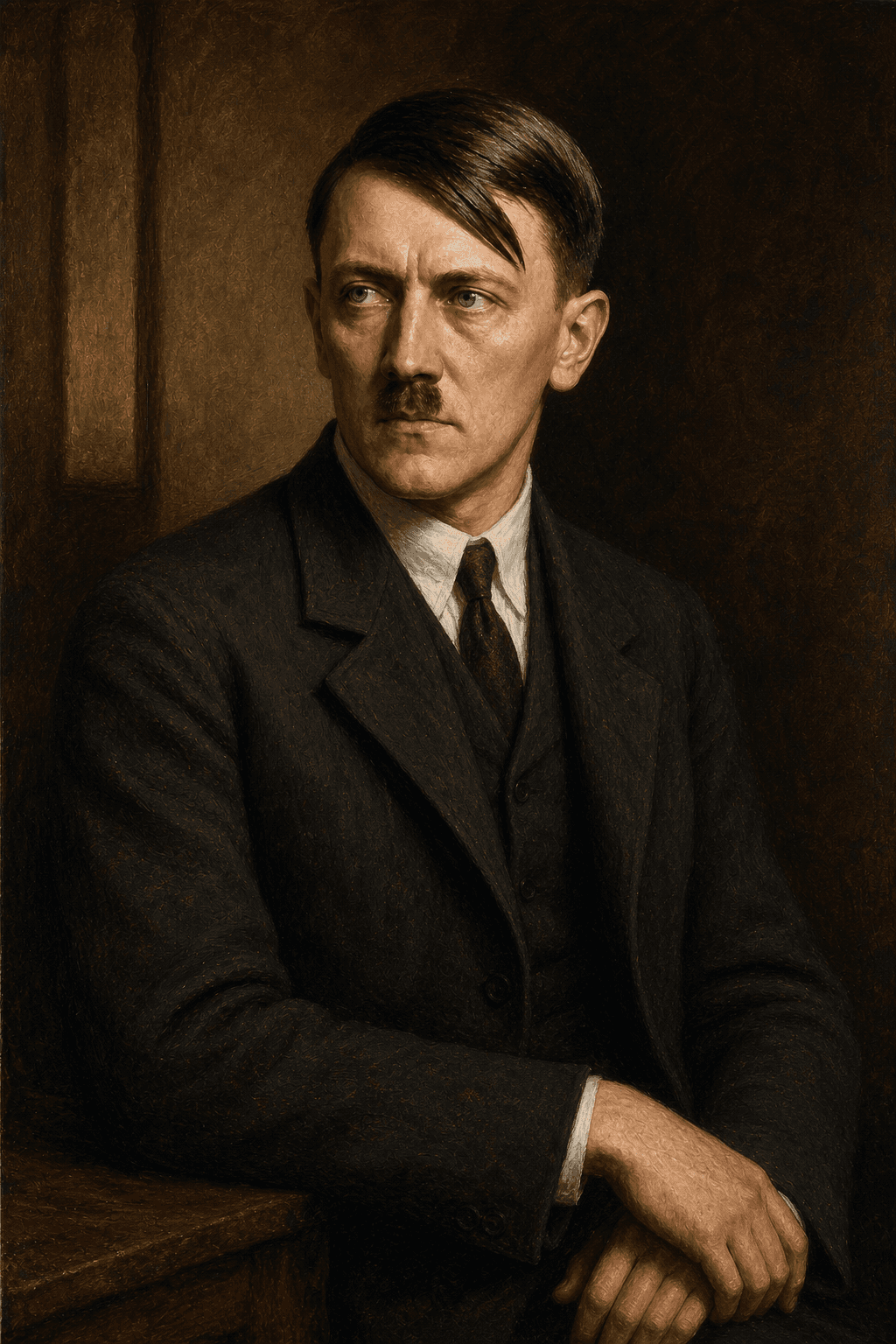
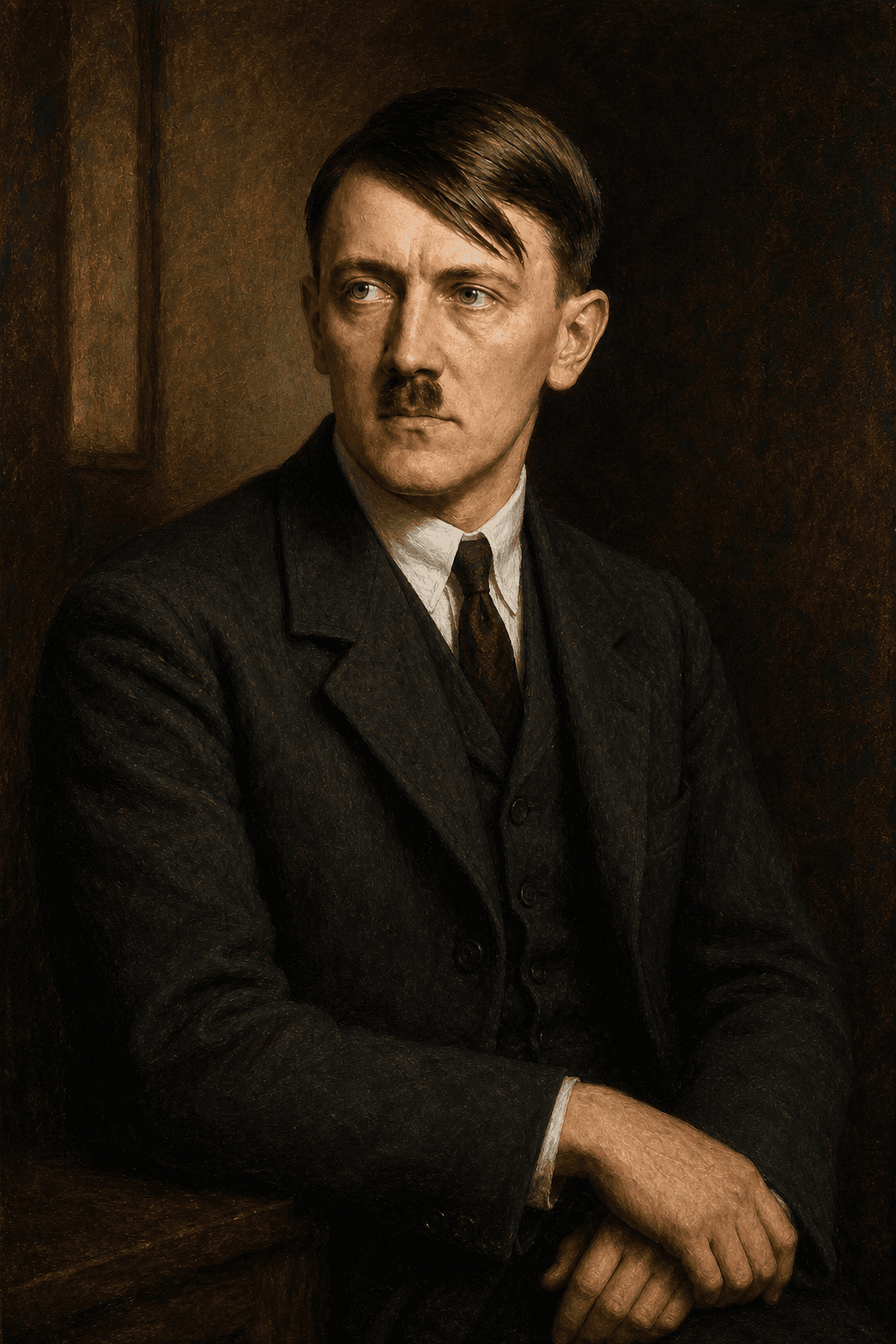
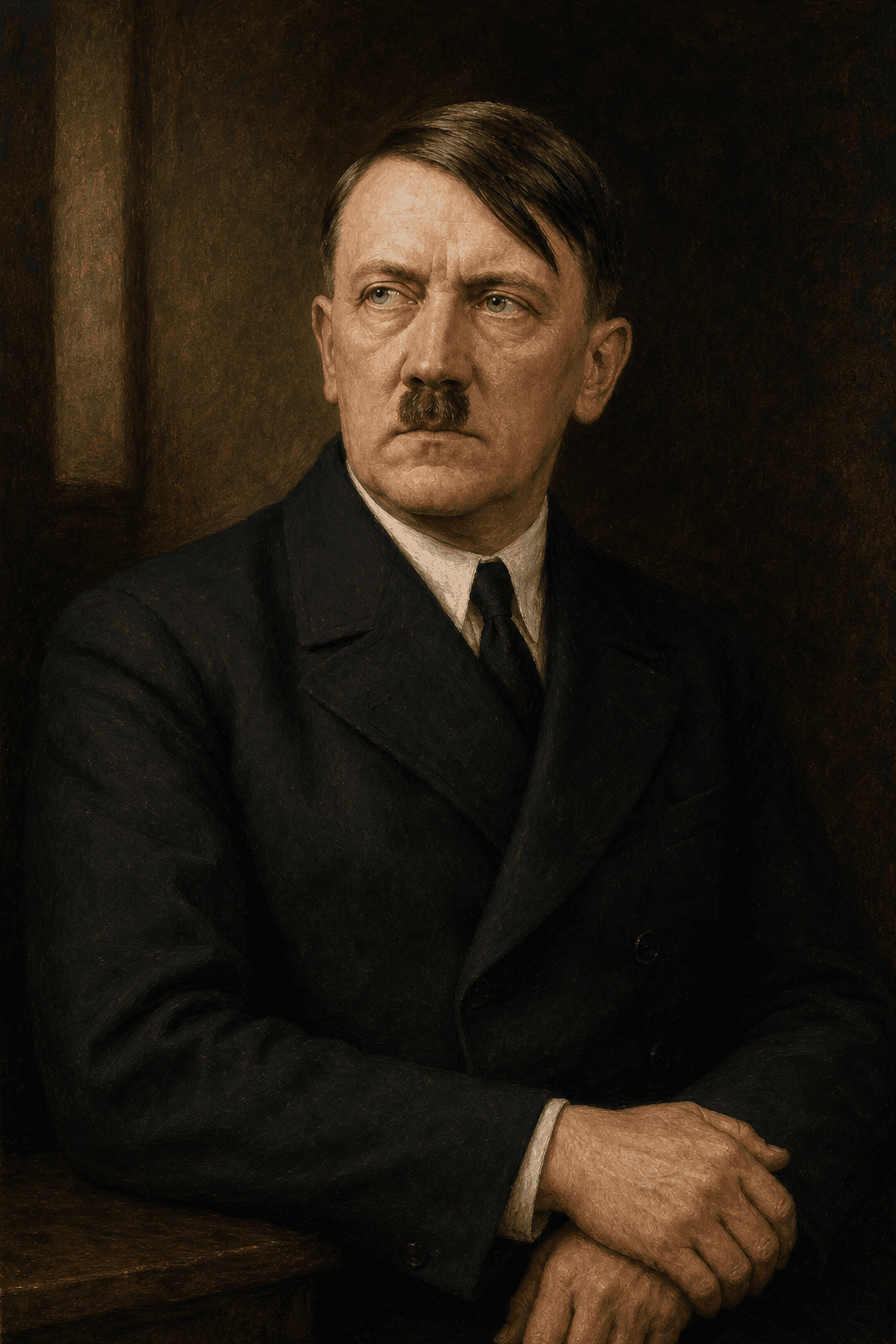
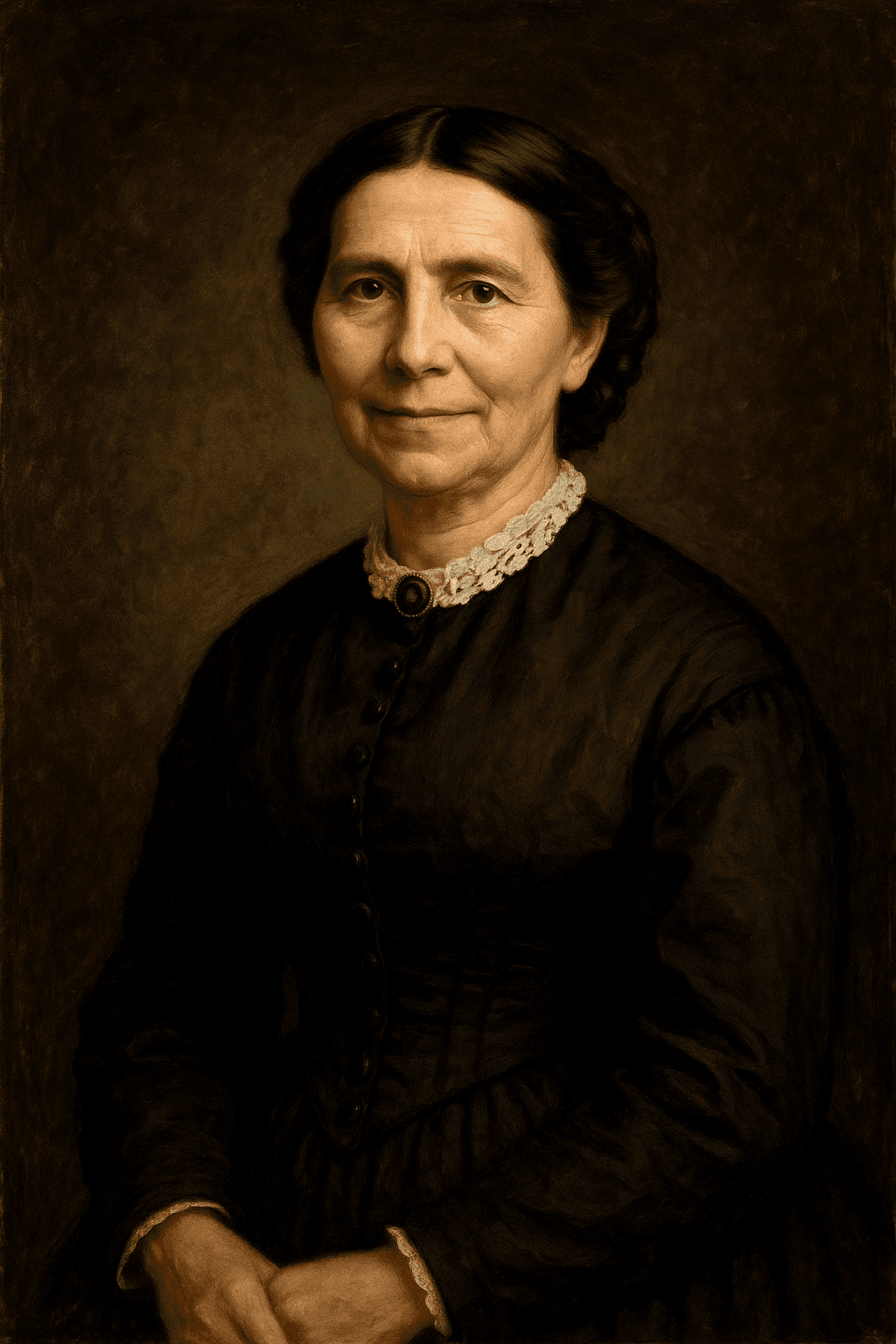
The table in the common room of the Männerheim on the Meldemannstraße is mine until the light fails. This morning it is the Karlskirche again, the dome and the two columns, in watercolour on a card the size of a hand. Aquarell sells better than pencil; Hanisch taught me that much before we fell out, and I have kept the lesson although I have worked to forget the man. Since then I carry the cards to the dealers myself, and these will go to the Innere Stadt this afternoon. I know which frame shops will take a church and which want only the Hofburg or Schönbrunn. Neumann is a copper polisher by trade, a Hungarian, and he sleeps a few beds along from mine. I eat beside him in the canteen and there is nothing in that I let myself dwell on. Morgenstern, on the Liechtensteinstraße, bought the last sheets and framed one in his window. That is the arrangement. That is what the day is actually made of.
While my hand fills the dome I tell the table another story, and the story is that I am not the man this room would make me. The Akademie der bildenden Künste examined my drawings in 1907 and again in 1908 and set down in writing that I had not mastered the human figure, that I had not mastered architectural drawing. I have turned those sentences over so many times that I can hear them as the verdict of tired examiners who saw sheets by the hundred and would not trouble to see mine. That is how I carry the rejection. I do not carry it as a judgement on the work, because if I let it be a judgement on the work the morning would have no floor to stand on.
I keep my reckoning from February 1910, when I came to the Meldemannstraße, as though my life in this city began there. I do not enter the room on the Stumpergasse that I left behind, nor the autumn I had no lodging at all, nor the winter in the shelter at Erdberg among men I will not describe. I count from the hostel forward. My people would have apprenticed me to a trade and a provincial town, and I refused it. I tell myself I refused it because I belonged in the Akademie, and I do not let the following thought arrive, which is that the Akademie did not agree. The pension that came to me after my father is arranged now in ways I keep off this table; a portion of it supports a half-sister to whom I do not write. Here I present myself as a man who lives by his own hand. The hand has finished nine cards since Monday, and I keep the dealers' names myself.
The reading room holds the Alldeutsches Tagblatt, which carries Schönerer, and the Reichspost, and most weeks an issue of Liebenfels's Ostara that someone leaves on the long table. I read them. They hand me a name for the grievance and a shape for it; they tell me whose fault the city is, and the borrowed answer sits in my hand more easily than the dome does. Lueger is three years in his grave and the Vienna he built is still the Vienna of these streets. I take the vocabulary the way a cold man takes a coat that is not his. And in the same hours Morgenstern counts out money on the Liechtensteinstraße for the sheets he frames, and the canteen feeds me at a bench where half the men are Jews from Leopoldstadt and the parishes of the Kultusgemeinde, and I do not square the pamphlet with the day, because nothing obliges me to square it.
It would be a comfort to say the city did this to me. The city did nothing to me. I chose the Meldemannstraße. I chose the postcard over the drawing-board my relations held out. I have chosen to sit in the reading room rather than present myself to the Salzburg authorities who want me for the army register, and in three weeks I will choose München and the morning train, with Häusler for company and a case of unsold sheets.
There is a Vienna that is not mine. Schiele is at work somewhere across the river, the galleries argue over Klimt, and Kraus prints his Fackel for readers who can keep a seat at the Burgtheater. I cannot keep a seat at the Burgtheater. I paint the Karlskirche for the frame trade and I tell myself that what stands between that work and the other is recognition. It is not recognition. It is the work. My sheets are competent and they are cards, and Morgenstern frames them because tourists buy a tidy church.
The doctrine has not yet been authored. The author is twenty-four years old and is painting a postcard.