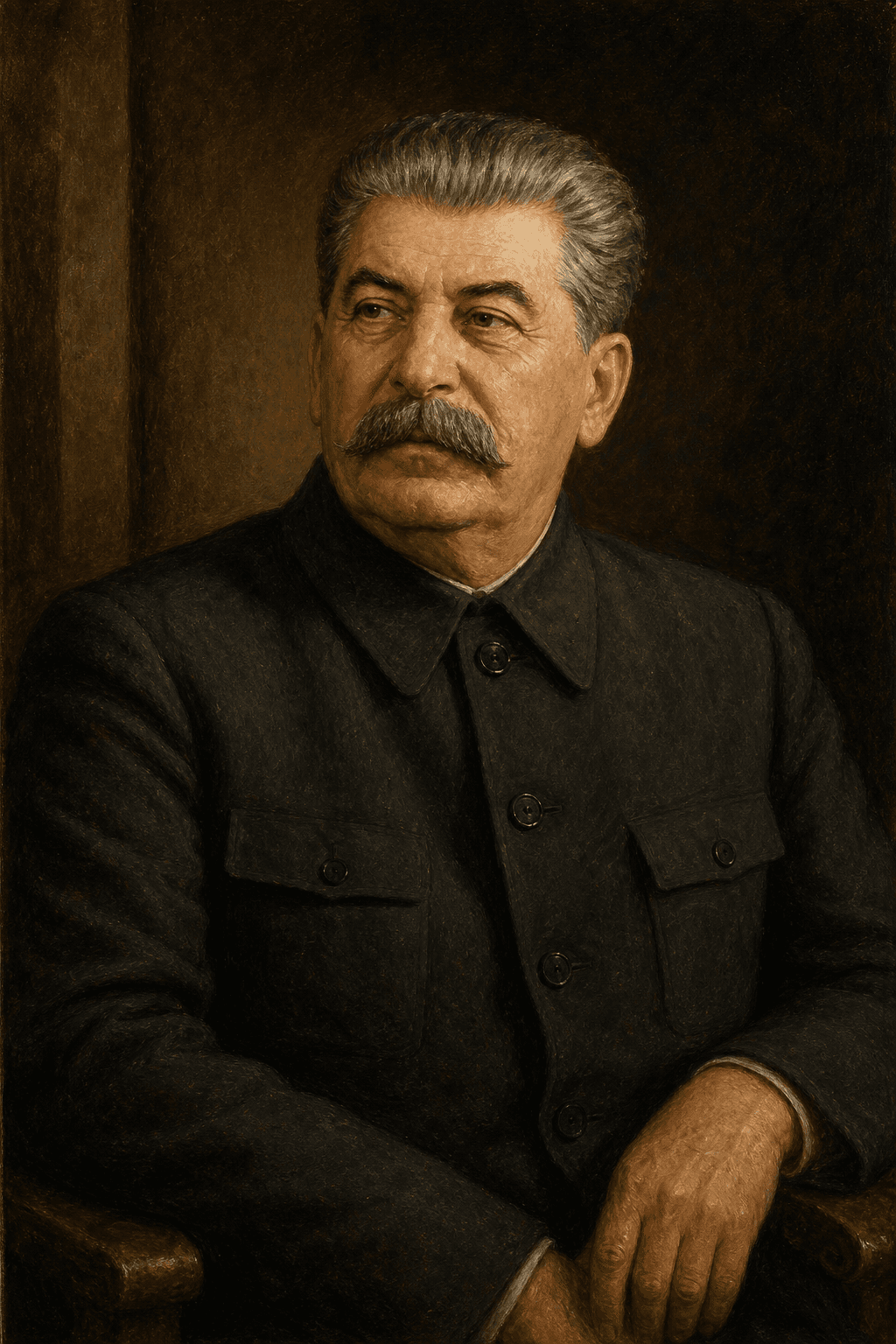
The lists come up from the apparatus after the household has gone quiet, brought to the long table by the man whose business is to bring them, and the lamp is moved so that the columns can be read without the rest of the room being read with them. There are the names on the left and the category on the right, the first category and the second, and a category is a small word that decides whether a man is shot or sent, and the deciding is done here, at this table, by a pencil, and the pencil is mine. The eyes are not what they were and the lists are long, and the apparatus has learned to type them clean, the names in a column a tired eye can run down, so that the running-down is quick, and the quickness is itself a kind of argument, that a thing done quickly has been done lightly, which it has not.
The regional secretaries have sent their requests and the requests are for more. A secretary writes that his region's limit is too low for the enemies his region is said to contain, and asks that the limit be raised, and the asking is a competition he believes he is winning, each secretary proving his vigilance by the size of the number he requests. The numbers come up to this table as requests to be approved, and I approve them, raise this region's limit and that one's, and the raising is a stroke of the pencil that the secretary will read as favour. They do not understand, the eager ones, that a man who asks to kill more has told me something about himself, and that the something is filed.
The reports that reach this table are written by men who know what reaches this table, and so the reports say what is safe to have said. A report that says all is well is a report from a man protecting himself, and a report that names an enemy is a man protecting himself by offering another, and there is no report that is not first a man's account of his own safety. I read them knowing this. The apparatus I have built returns to me only the information the apparatus is afraid to withhold, which is not the same as the information that is true, and the gap between them I close by suspecting everyone, because suspicion is the one instrument the fear cannot corrupt, the fear having made everything else a performance.
The confessions are in the folders. A confession is a document the apparatus produces from a man, and the producing leaves marks the document does not record, and I have read enough of them to know the rhythm of a thing said to make the saying stop, the elaborate plots, the meetings that did not occur, the foreign handlers no one met. They confess to wrecking, to plotting, to spying, and the confessions agree with one another because the apparatus that makes them has a house style, and the agreement is offered to me as corroboration, one manufactured paper confirming another. I treat them as confirmations. I know how the paper is made and I treat the paper as if it were found and not made, because the treating is what the lists require, and the lists are the work.
There is a name on the second page tonight that I knew. He sat at a table not unlike this one, years ago, and laughed at a thing I said, and the laugh was real, and now his name is in a column with a category beside it, and the category is the one that does not return. I do not pause on the name. The pausing is the thing the work cannot afford and the thing the apparatus would notice if it were reported, and everything here is reported. But the name is a man, and the man laughed once, and the column does not say so, and the column is what I sign. The others on the page are people too, and the wives the categories do not list are listed elsewhere, sent to the camps, and the children to the institutions that take such children, and none of that is on this page, and all of it follows from this page.
The night is the working time because the night is when the household sleeps and the telephone is the only voice, and the telephone rings up from the apparatus with the questions a list raises, this name queried, that quota confirmed, and the voice on the line is careful, every voice on the line is careful, and the carefulness is the sound the whole country now makes when it speaks to this table. The pipe has gone out. The tea has gone cold in the glass in its holder. The lamp is on the lists and the rest of the room is dark, and the man who brings the folders waits by the door for the ones I have signed, to carry them back down into the apparatus that will perform what the pencil approved.
I do not ask whether the lists are true. The asking is the weakness the whole method was built to remove, because a man who asks whether the enemy is real is a man who might stop, and stopping is the outcome the apparatus reads as guilt. So I do not stop. I raise the limits the secretaries request, and sign the categories the folders propose, and file the eagerness of the men who ask for more, and the work goes down the line in the night, name after name, the pencil moving, the column shortening. By morning the country is quieter, and quieter is the word the apparatus will use, and quieter is not the word for what has been done.