Featured period
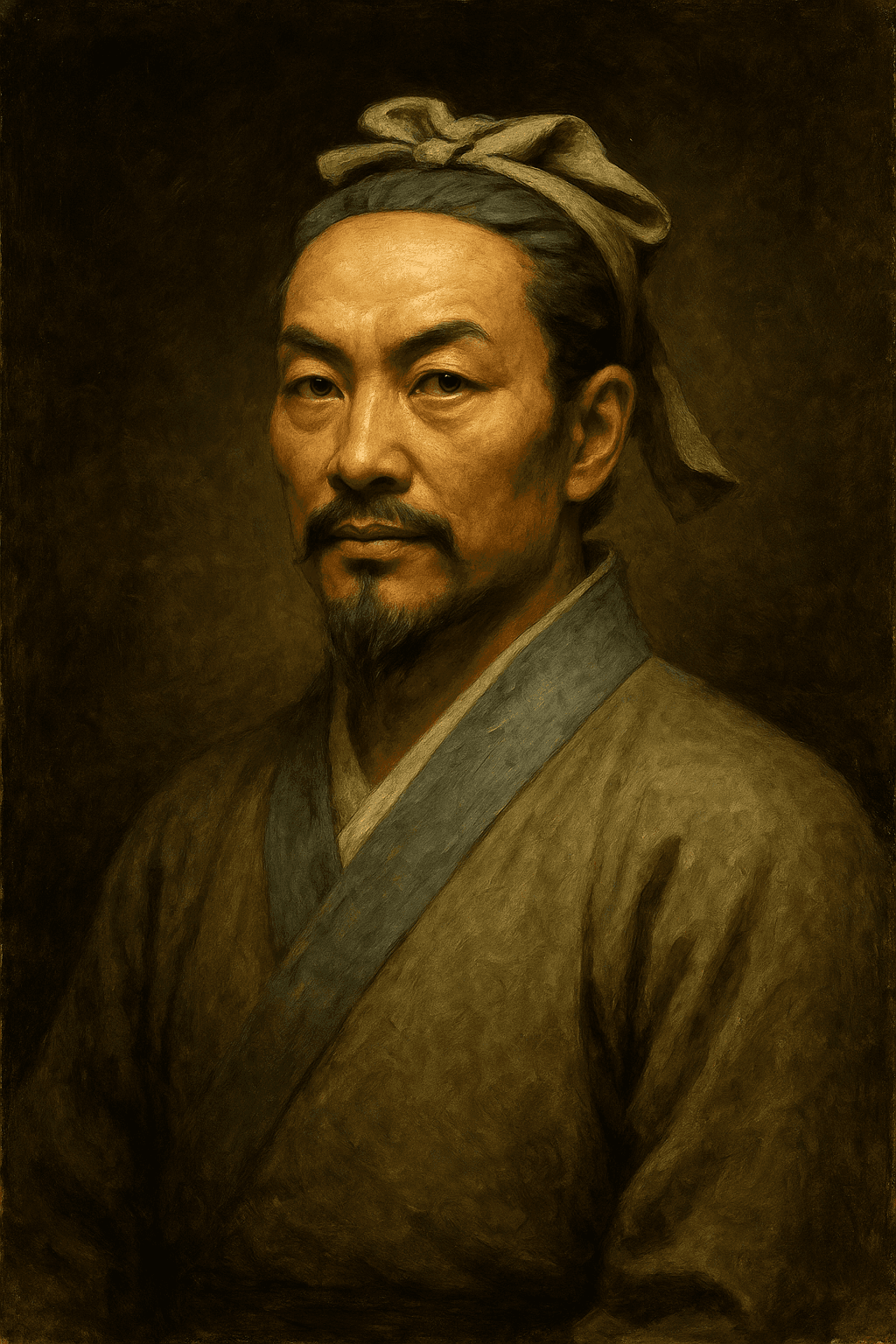
Sun Tzu
496 BCE - Outside Gusu
Outside Gusu, in a borrowed room above a boat-shed, the strategist whose principles shaped warfare for two thousand years sets down what the generals always misunderstand.
Open this life
By time
Choose a stretch of time, meet the people gathered there, and move outward through the places that held them.
Whole chronology
1458 BCE to 1996 CE opens onto 125 lives, 8 place stories, and 6 named historical windows.
Lives in this period
These are the clearest lives to open first when you want a person, not a date label, to lead you into the period.
Places inside this time
In All time, use the same years to move from chronology into cities, courts, islands, and regions that already carry deeper context.
Alive in this timeline around 1797 to 1928 / story span 1797-1928
Connected to 5 lives including Mary Wollstonecraft, Ada Lovelace, Florence Nightingale.
Enter this place
Alive in this timeline around 44 BCE to 1564 / story span 44 BCE-1564
Connected to 4 lives including Julius Caesar, Augustus, Raphael.
Enter this place
Named windows
6 windows to step into
Ancient World
500 BCE to 200
Conquest, empire, and the political experiments that still shadow later rule.
10 lives visible here
8 place stories active in the same years
Enter this periodMedieval
700 to 1400
Kingship, faith, succession, and the durability of personal rule.
8 lives visible here
7 place stories active in the same years
Enter this periodRenaissance
1400 to 1600
Time travel
1458 BCE to 1996 CE
Time controls
Change the span without losing your route back into the lives and places already visible in this period.
8 place stories are visible in this time window.
Chronology
Move year by year, compare one life with the next, and open a person directly when the route becomes clear.
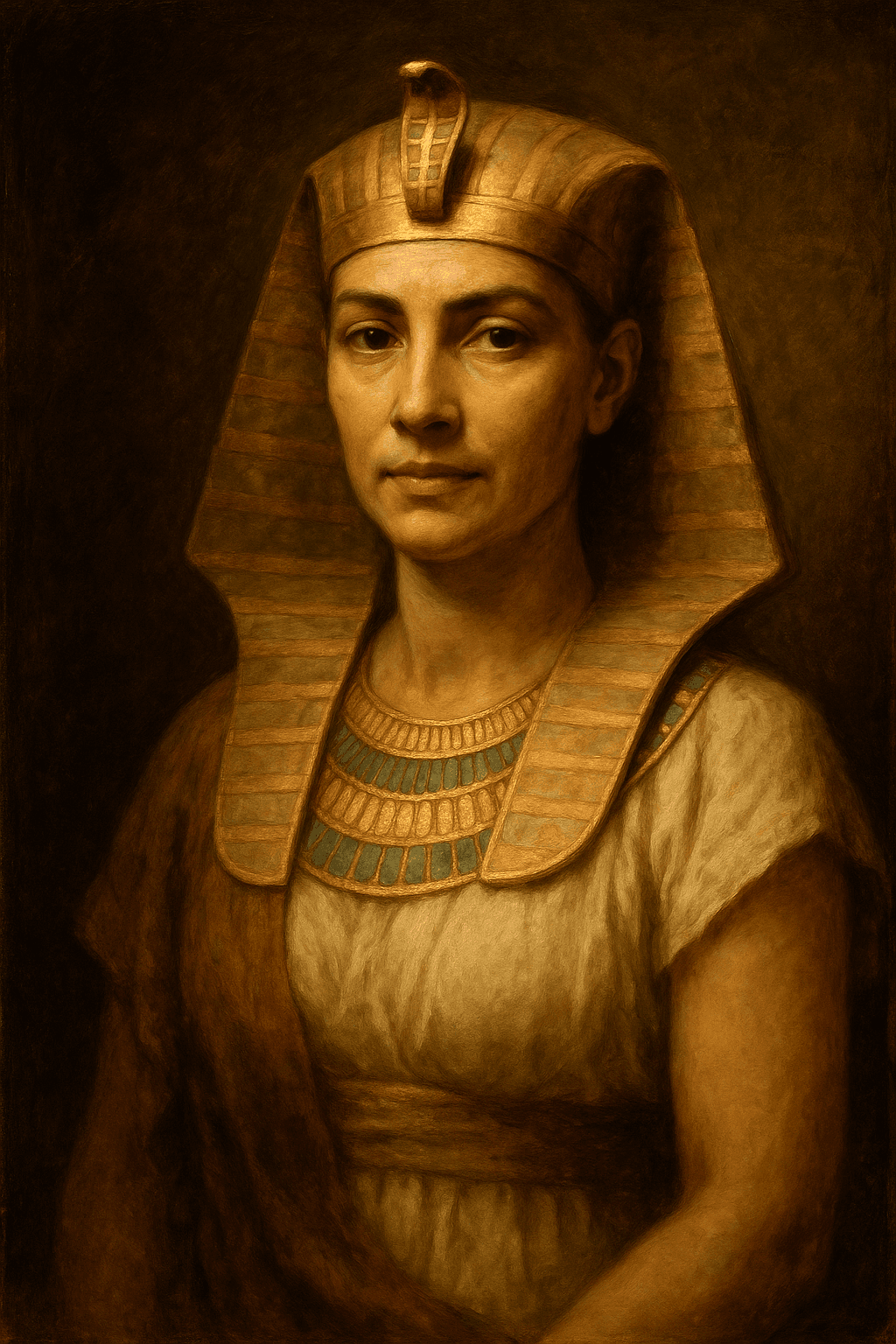
1458 BCE - Thebes
Place story available
Erasure, inscription, and female sovereignty under bodily weakening.
In her final season of strength, a pharaoh who ruled as king confronts the men already erasing her name from the monuments.
429 BCE - Athens
While the light still holds in plague-stricken Athens, the man who built the Parthenon reflects on what democracy actually cost.
Open this life
Alive in this timeline around 180 to 1780 / story span 180-1780
Connected to 2 lives including Marcus Aurelius, Maria Theresa.
Enter this place
Art, learning, and authority concentrated in courts, studios, and city-states.
14 lives visible here
13 place stories active in the same years
Early Modern
1750 to 1825
Private lives inside state collapse, military ambition, and the remaking of legitimacy.
16 lives visible here
15 place stories active in the same years
Enter this periodModern
1825 to 1914
Reform, invention, nationalism, and new public expectations of leadership.
31 lives visible here
21 place stories active in the same years
Enter this periodModern
1914 to 1980
The century of ideology, media power, and private lives lived at full public scale.
33 lives visible here
26 place stories active in the same years
Enter this periodAll time across the atlas
1458 BCE - Thebes
1336 BCE - Northern Egypt
1213 BCE - Pi-Ramesses
496 BC - Outside Gusu
Decades
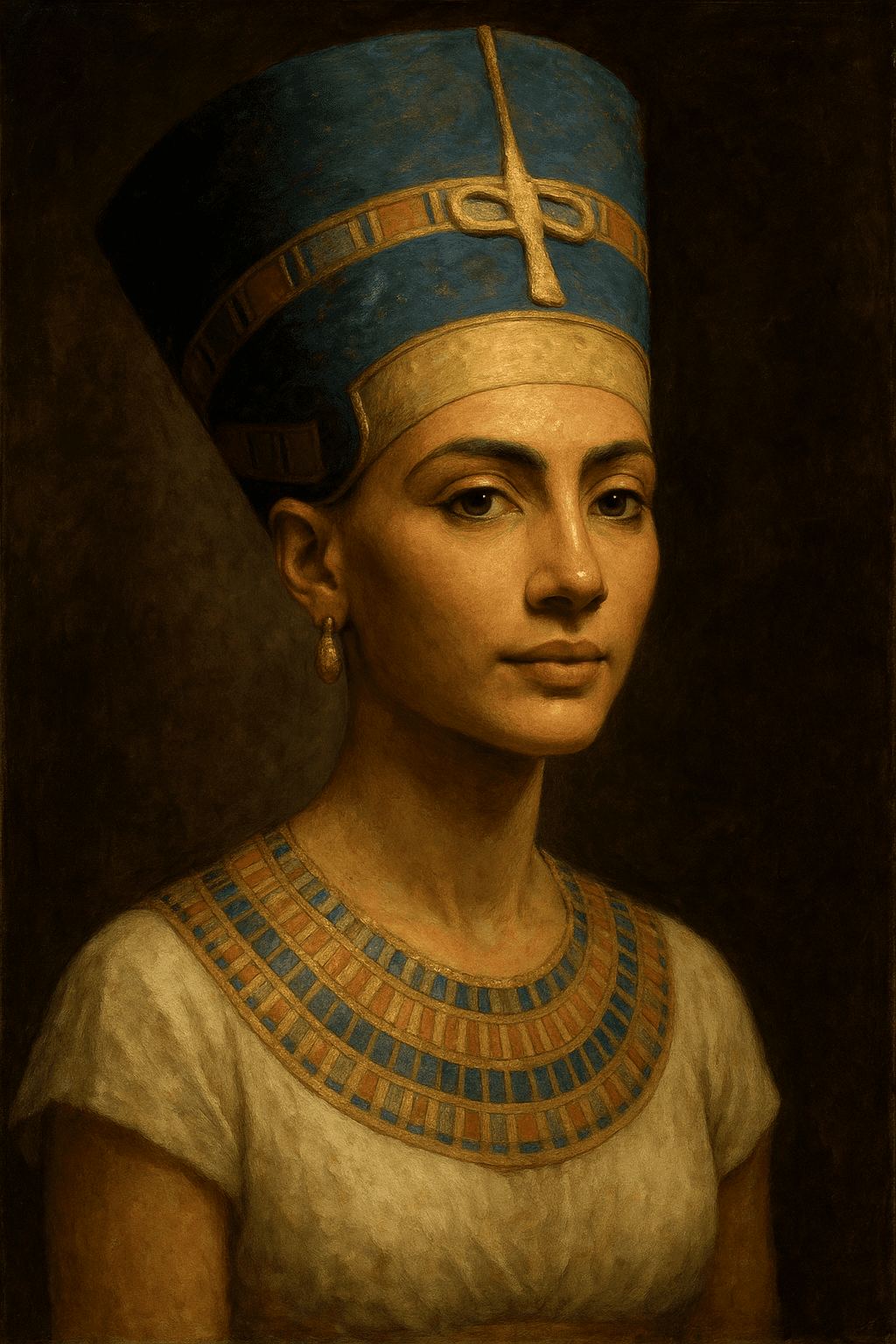
1336 BCE - Northern Egypt
Place story available
Away from Akhetaten, housed but watched, a queen who reshaped Egyptian religion faces the consequences of divine ambition.
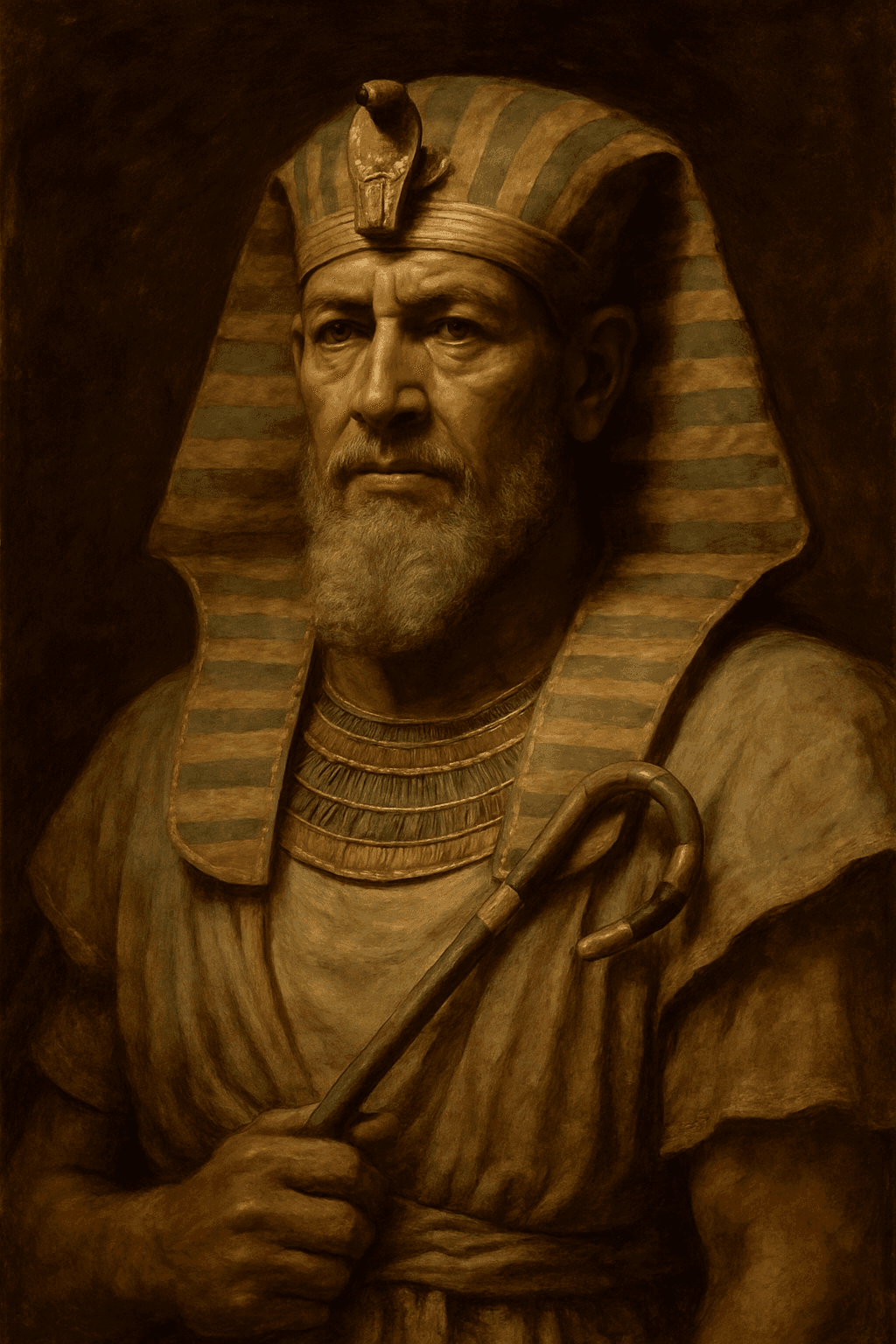
1213 BCE - Pi-Ramesses
Place story available
Legend, succession, and reverence hardening into preparation for removal.
At Pi-Ramesses, the longest-reigning pharaoh sets down what sixty-six years on the throne taught him about gods, monuments, and memory.
496 BCE - Outside Gusu
Place story available
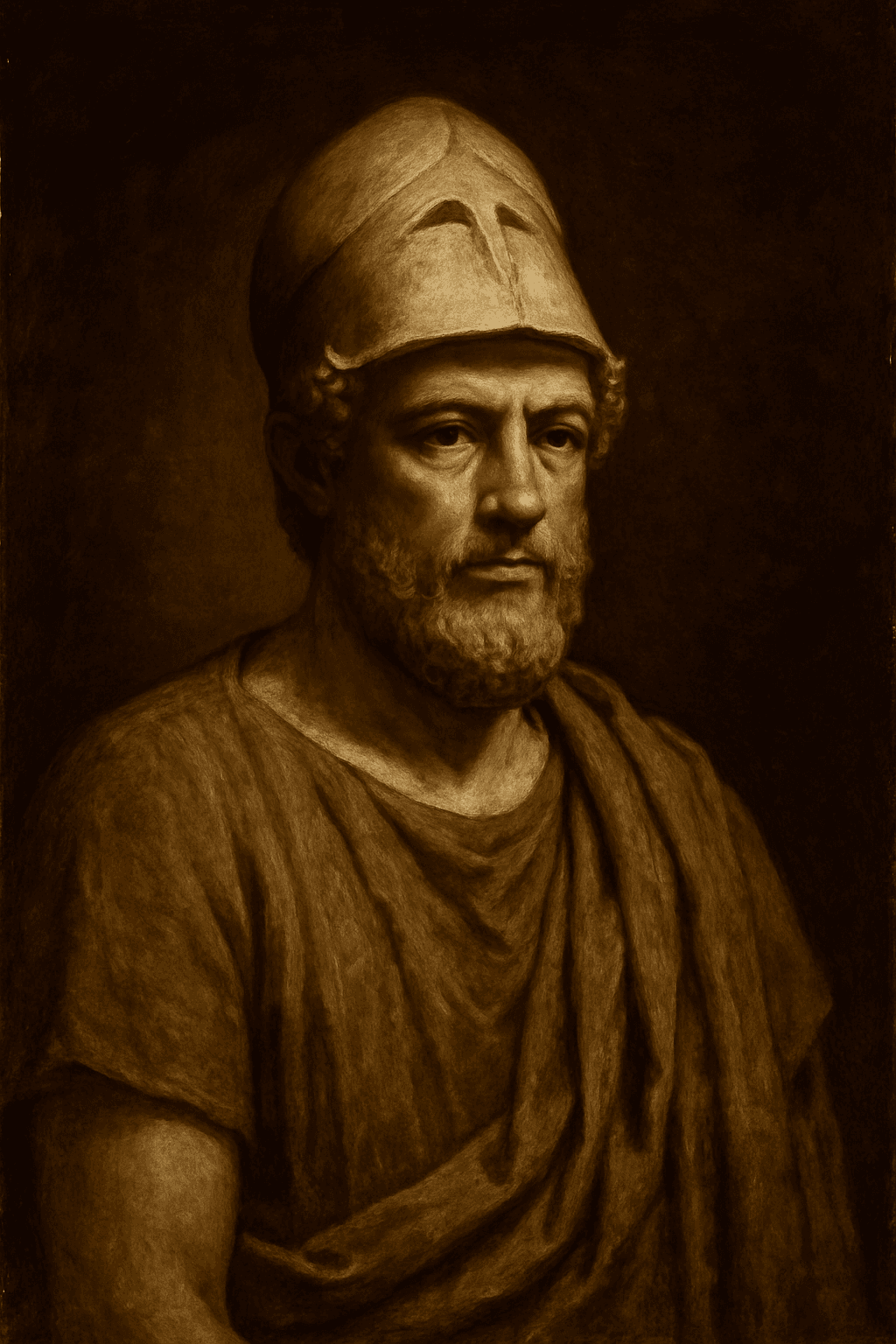
Outside Gusu, in a borrowed room above a boat-shed, the strategist whose principles shaped warfare for two thousand years sets down what the generals always misunderstand.
429 BCE - Athens
Place story available
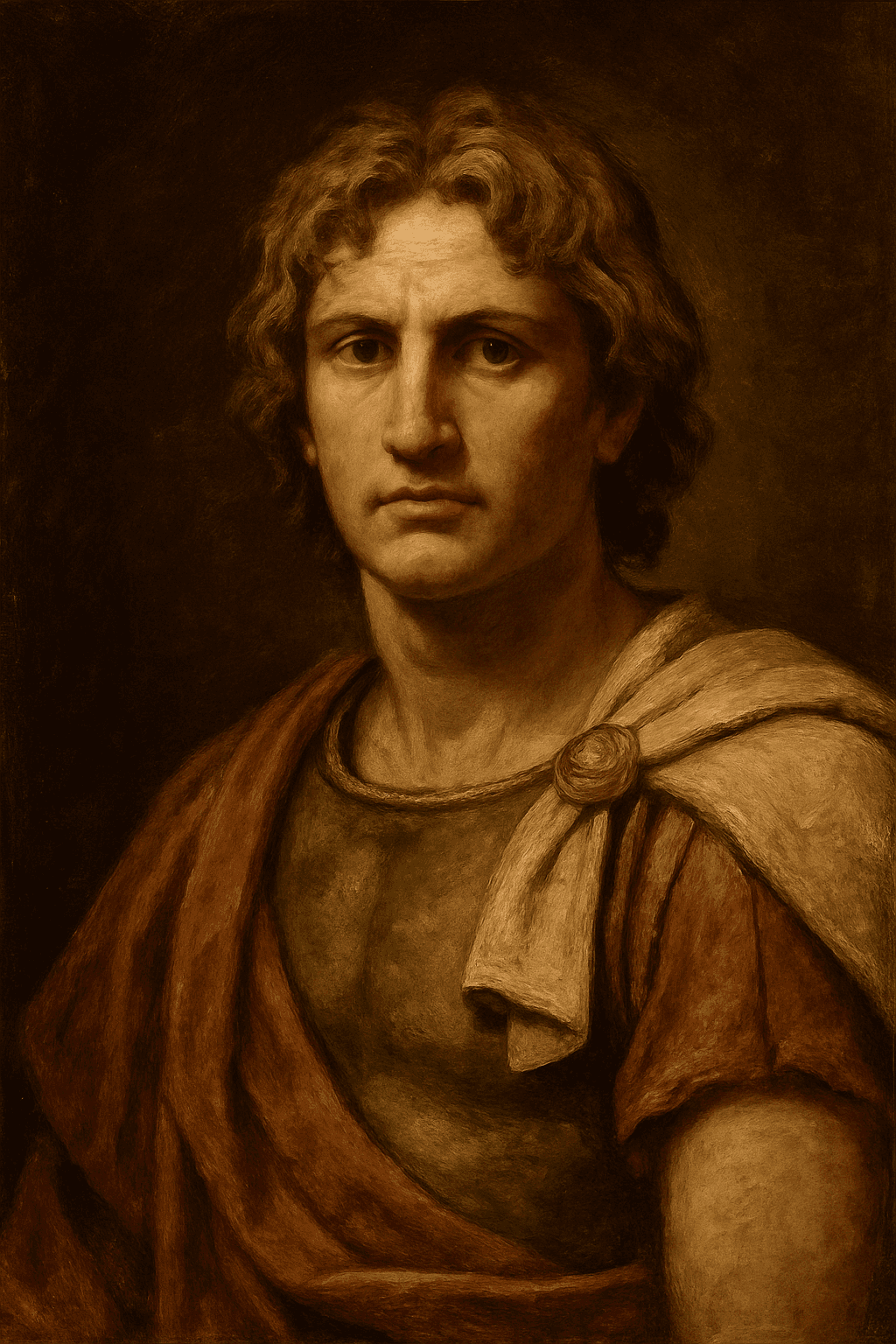
While the light still holds in plague-stricken Athens, the man who built the Parthenon reflects on what democracy actually cost.
323 BCE - Babylon
Place story available
Fever, succession, and conquest meeting bodily limit.
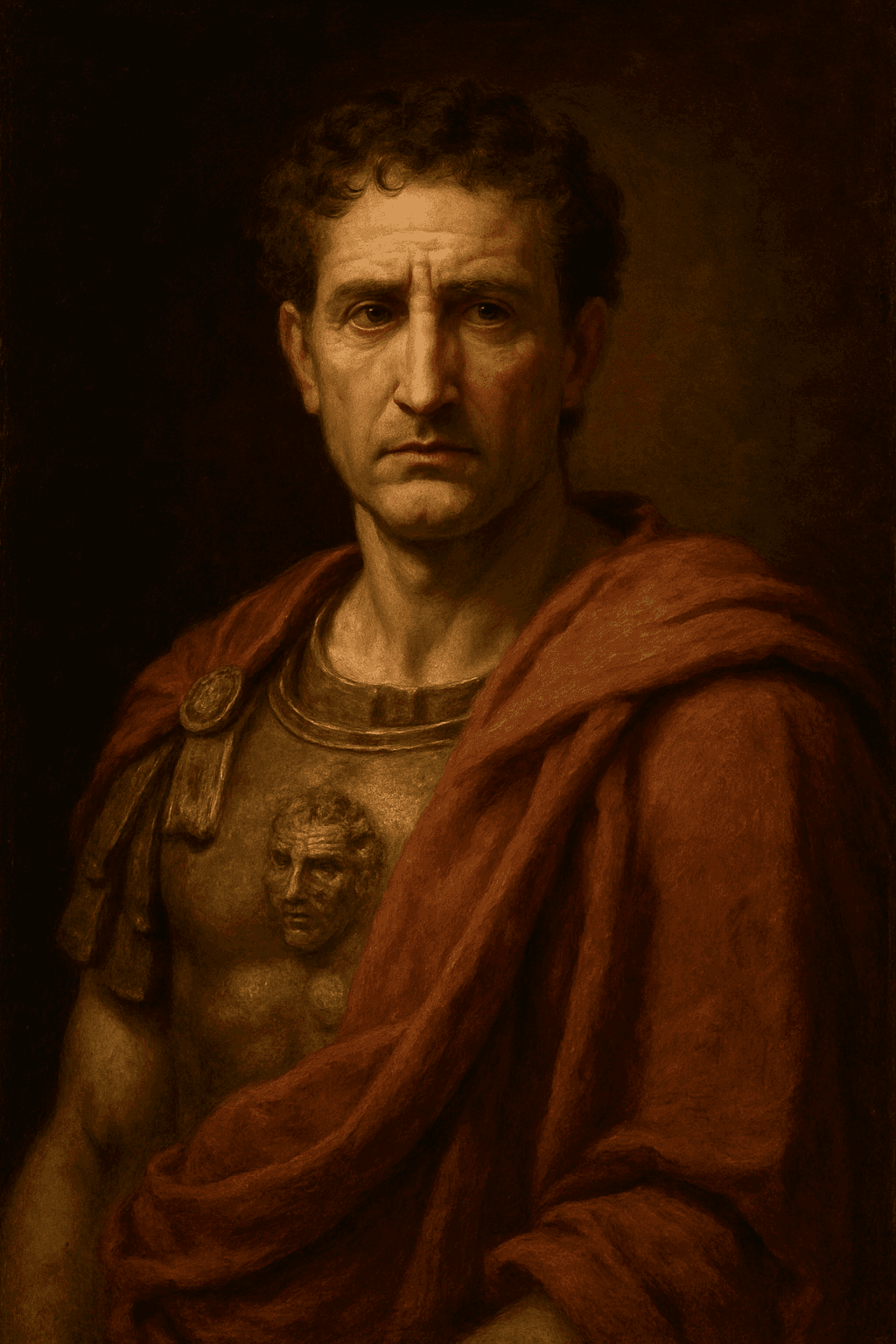
Dying at thirty-two in Babylon, a conqueror dictates the truth his generals will try to bury.
184 BCE - Liternum
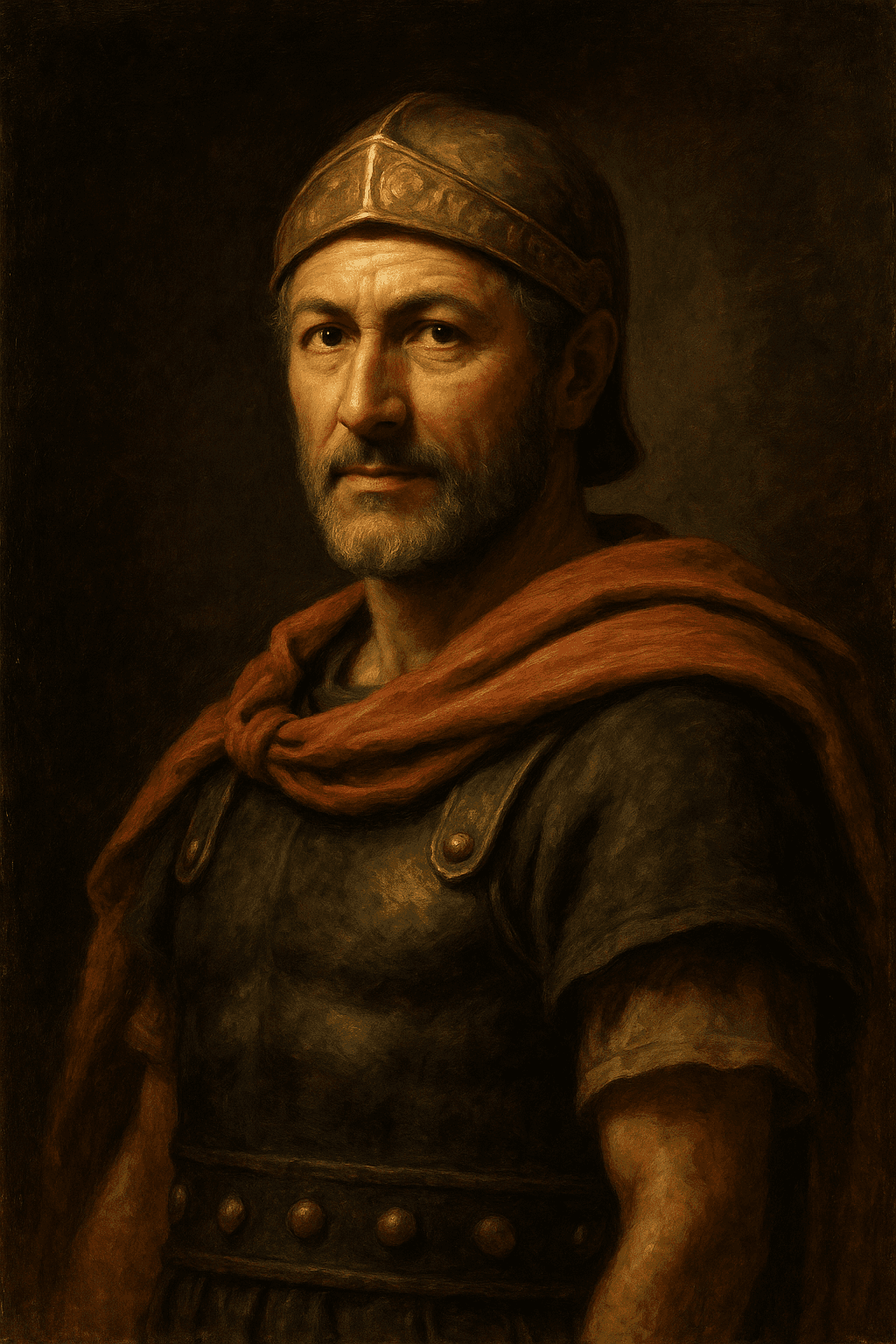
Far from Rome at Liternum, the general who defeated Hannibal reflects on the republic's talent for destroying its own heroes.
183 BCE - Bithynia
Place story available
In Bithynia, a guest who knows he is already a hostage, the man who terrified Rome dictates what defeat taught him about war.
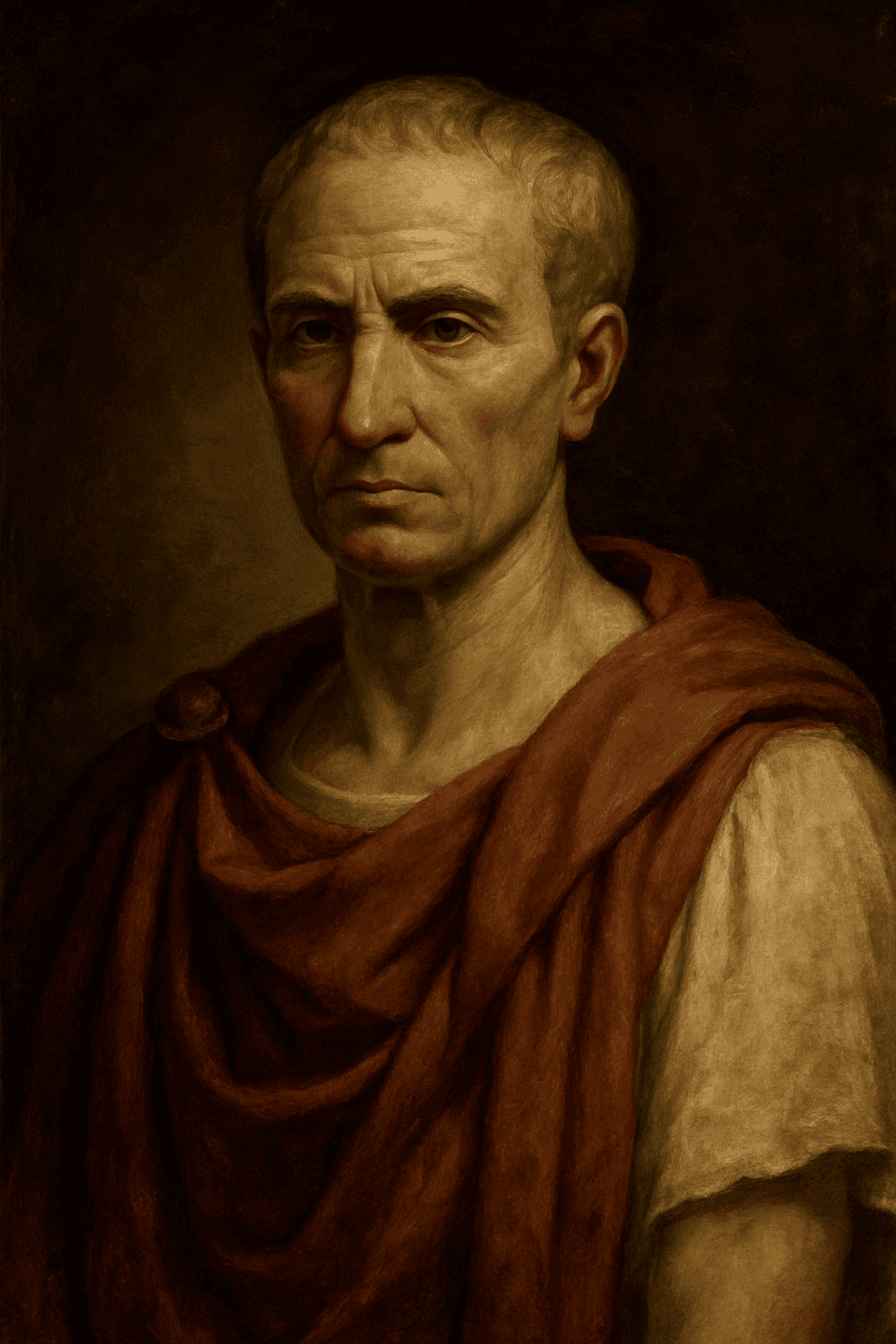
44 BCE - Rome
Place story available
Admiration, conspiracy, and the danger of political necessity.
Days before the Ides of March, Rome's most powerful man sets down what he cannot say aloud.
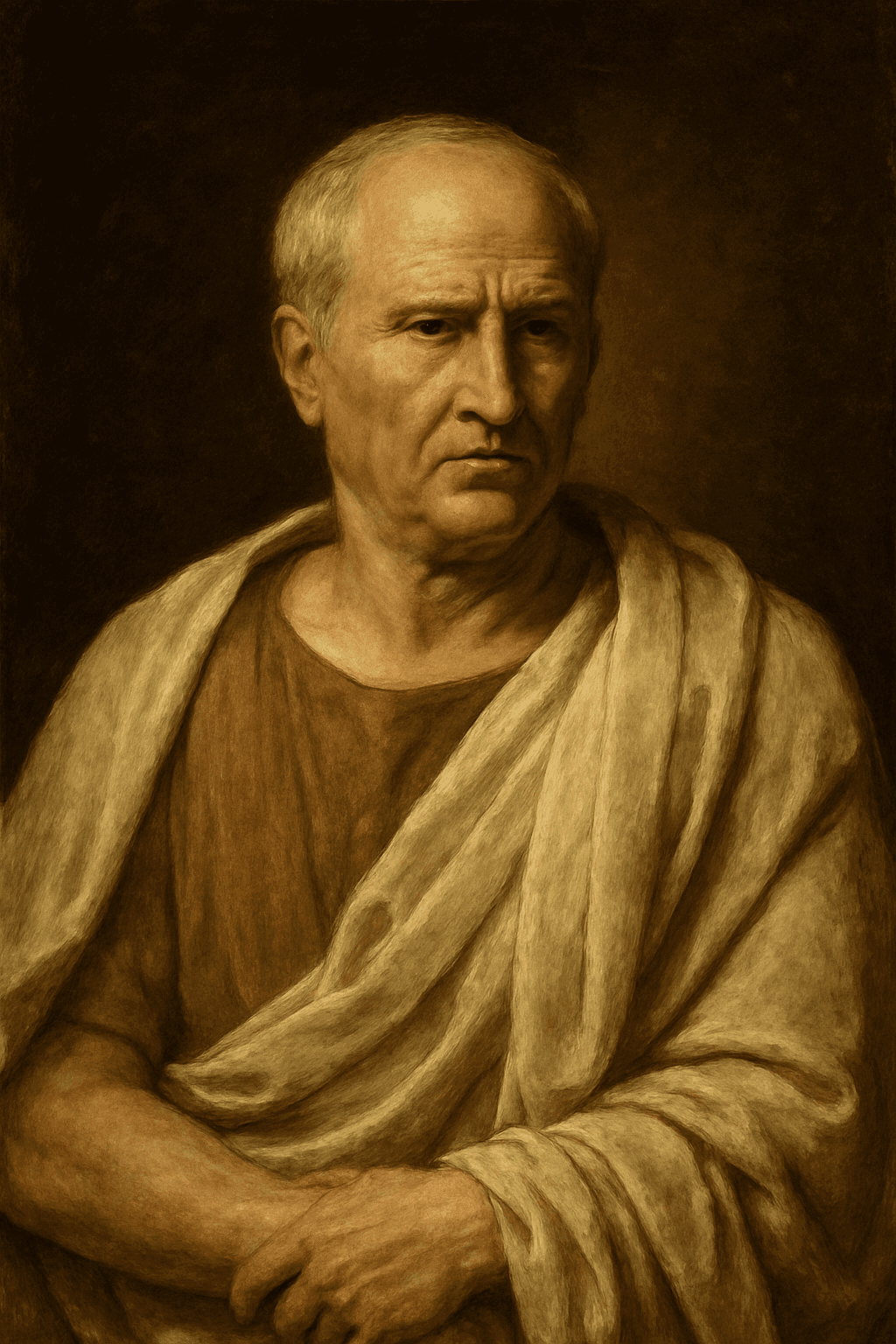
43 BCE - Italy
Place story available
In hiding with the sound of horsemen on the road, Rome's greatest orator sets down the case he will never deliver.
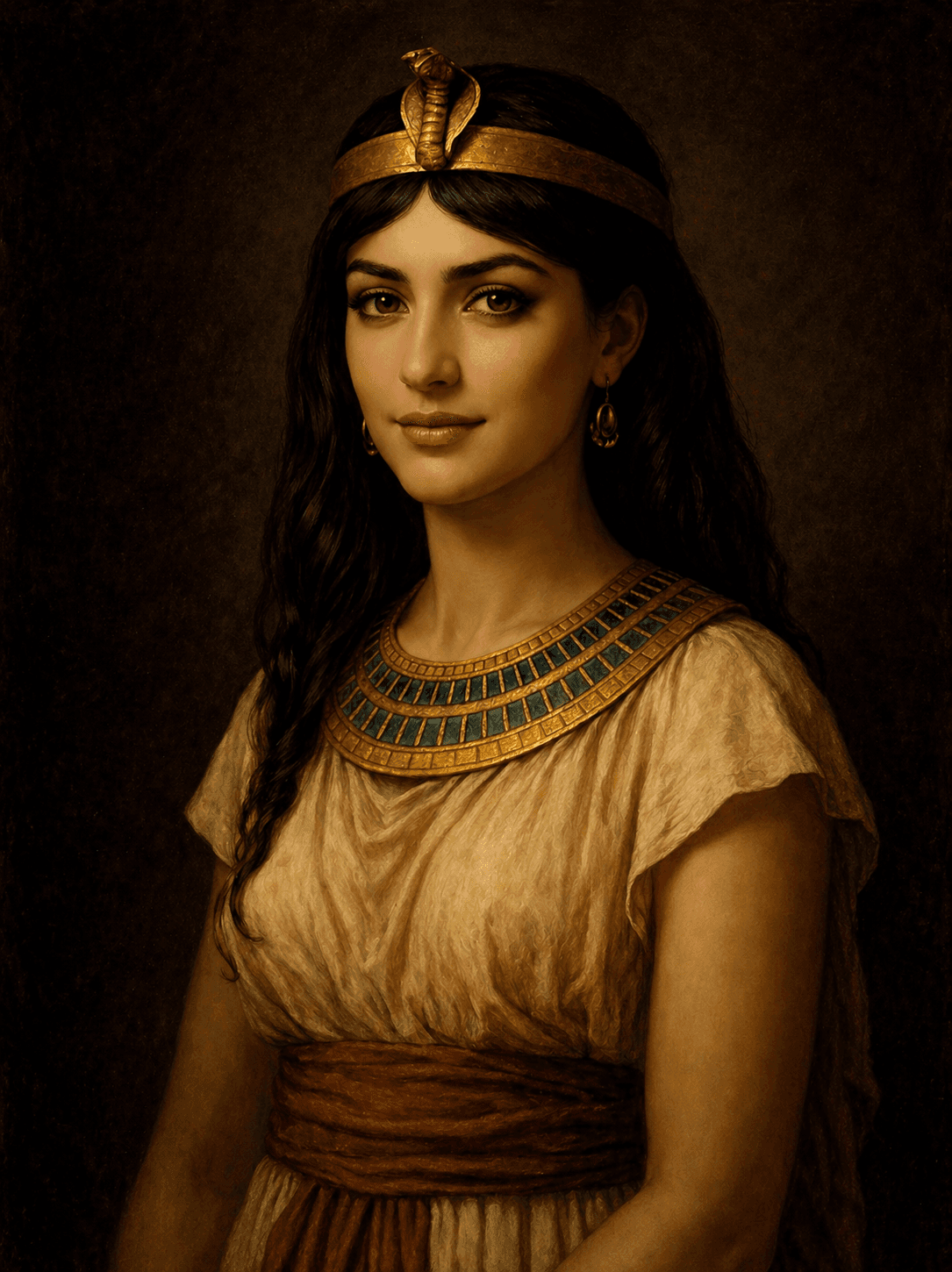
30 BCE - Alexandria
Place story available
Performance, ruin, and the politics of being seen.
The last pharaoh of Egypt watches her kingdom dissolve, and sets down what Rome will never understand about power.
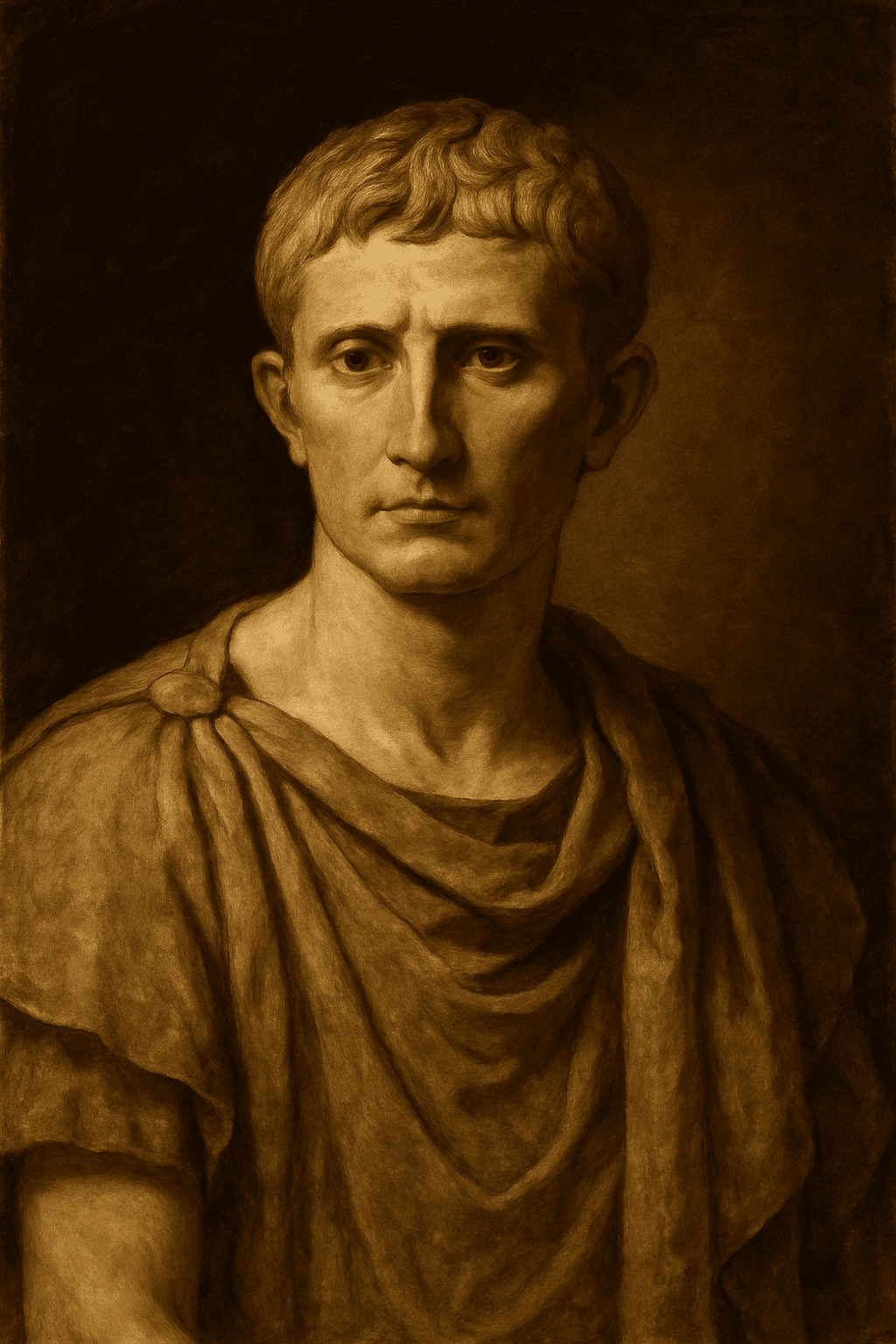
13 - Rome
Place story available
Succession, design, and the politics of making peace look natural.
At Rome, with his body failing faster than his patience, the first emperor sets down the cost of manufacturing peace.
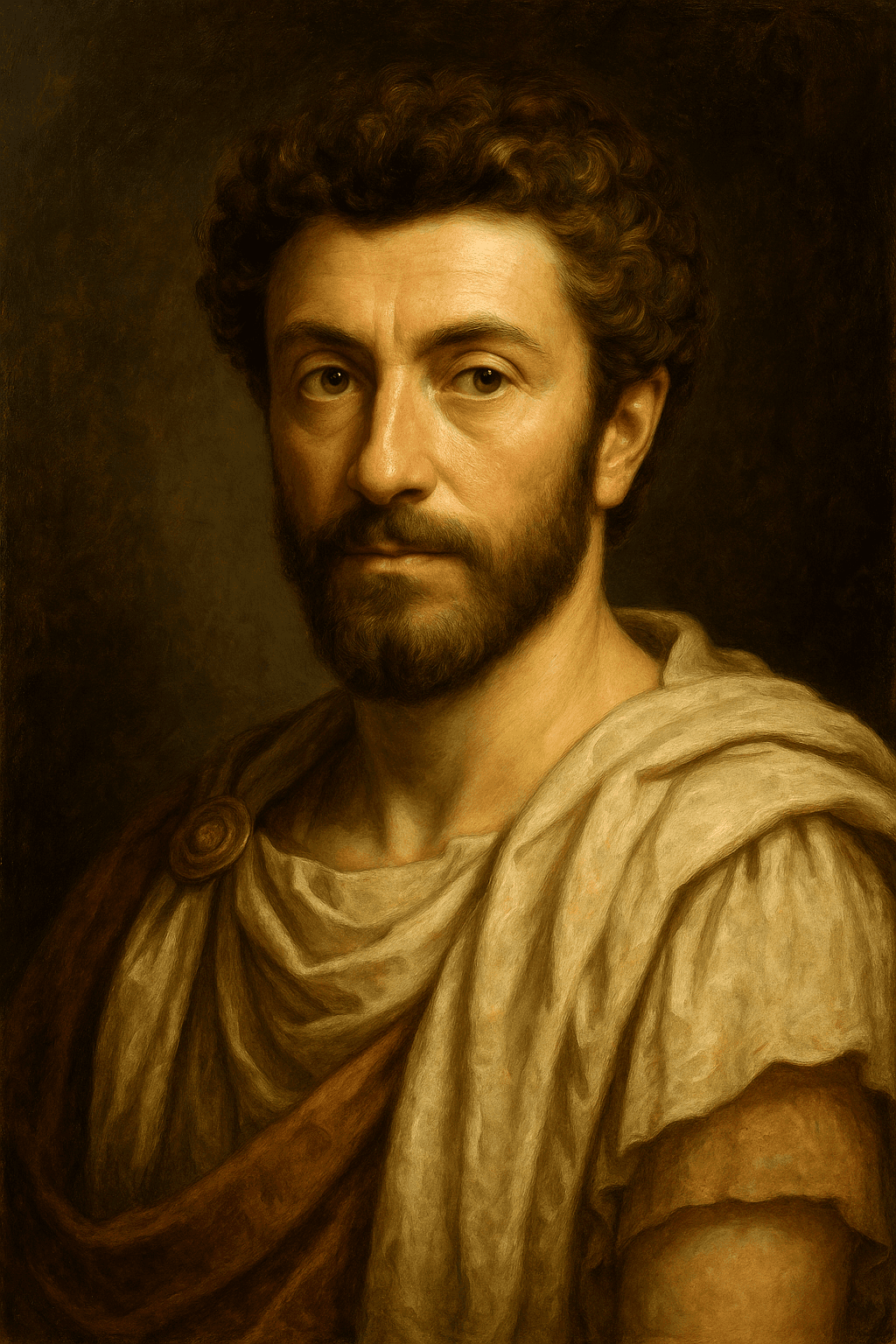
180 - Vindobona
Place story available
Philosophy under bodily failure, succession anxiety, and the cost of discipline.
On the Danube frontier, a philosopher-emperor writes the private thoughts his public philosophy never permitted.
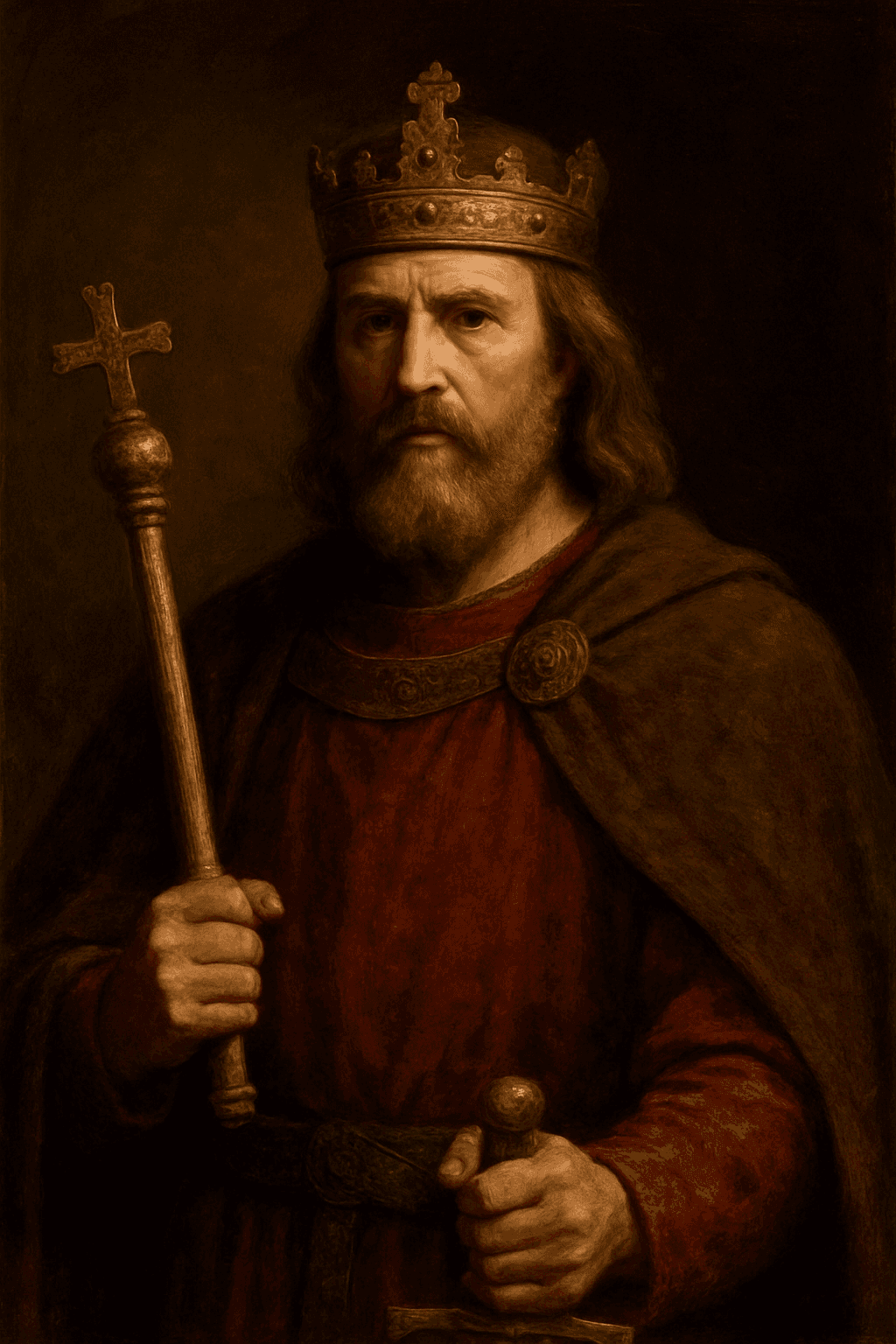
813 - Aachen
Place story available
Travel, coercion, ageing authority, and posterity softening necessity.
In Aachen, an emperor who built Europe from conquest confronts the bishops already softening his legacy into legend.
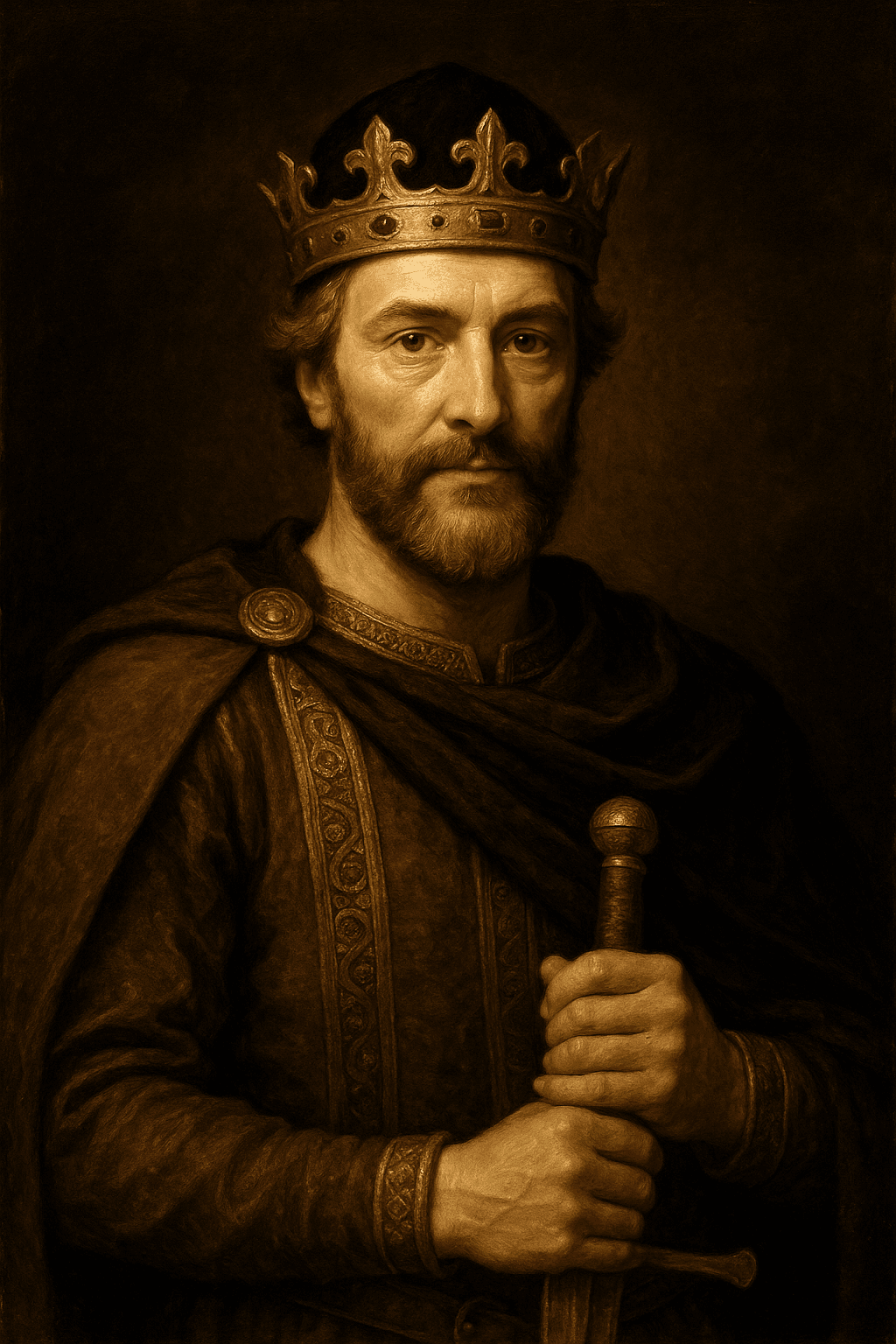
1087 - Rouen
Place story available
Rot, succession, and clerical editing pressing in on conquest.
In Rouen, while he still can speak, the man who conquered England sets down what the chroniclers were paid to omit.
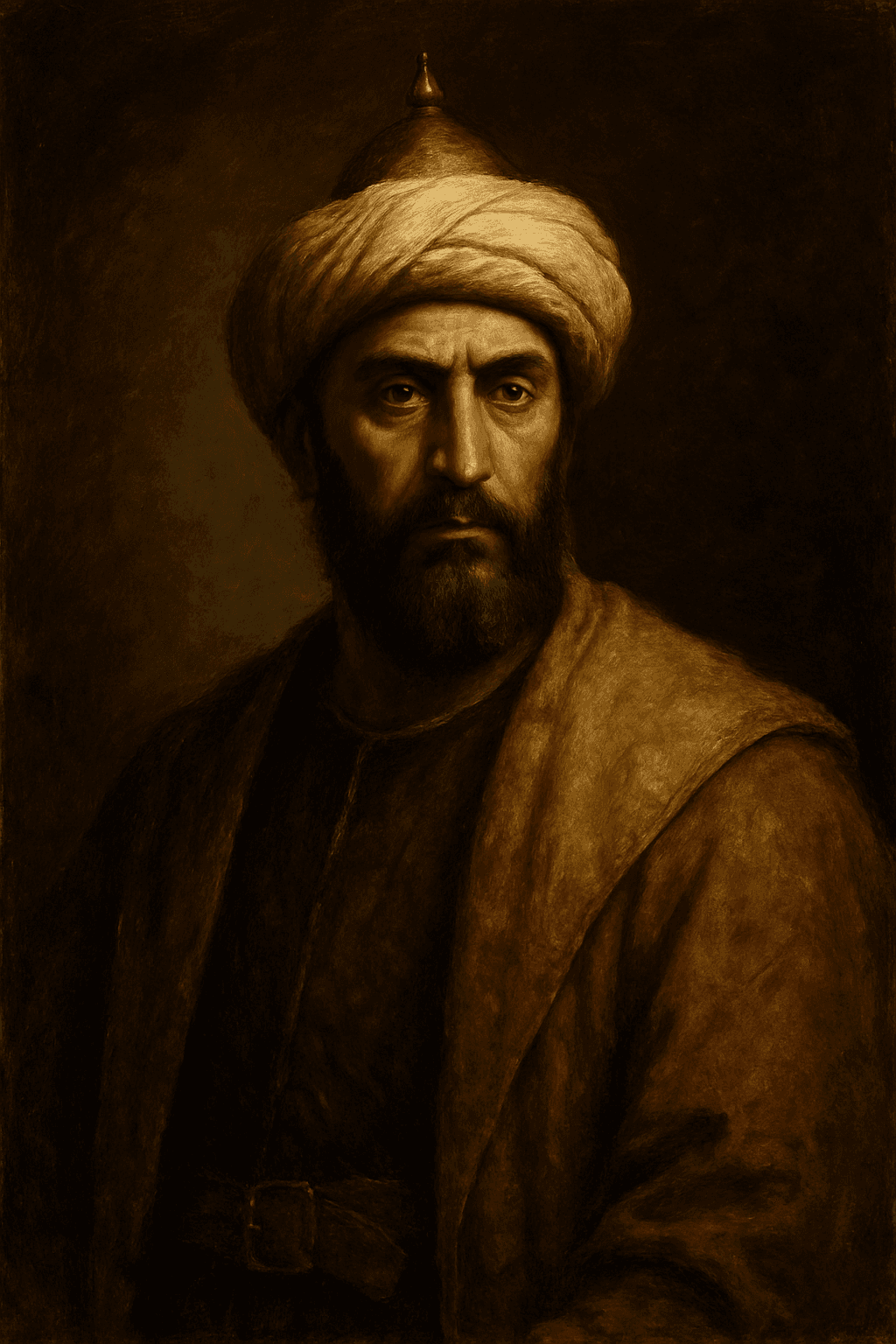
1193 - Damascus
Place story available
In Damascus, as his body begins to fail, the sultan who retook Jerusalem sets down the private cost of holy war.
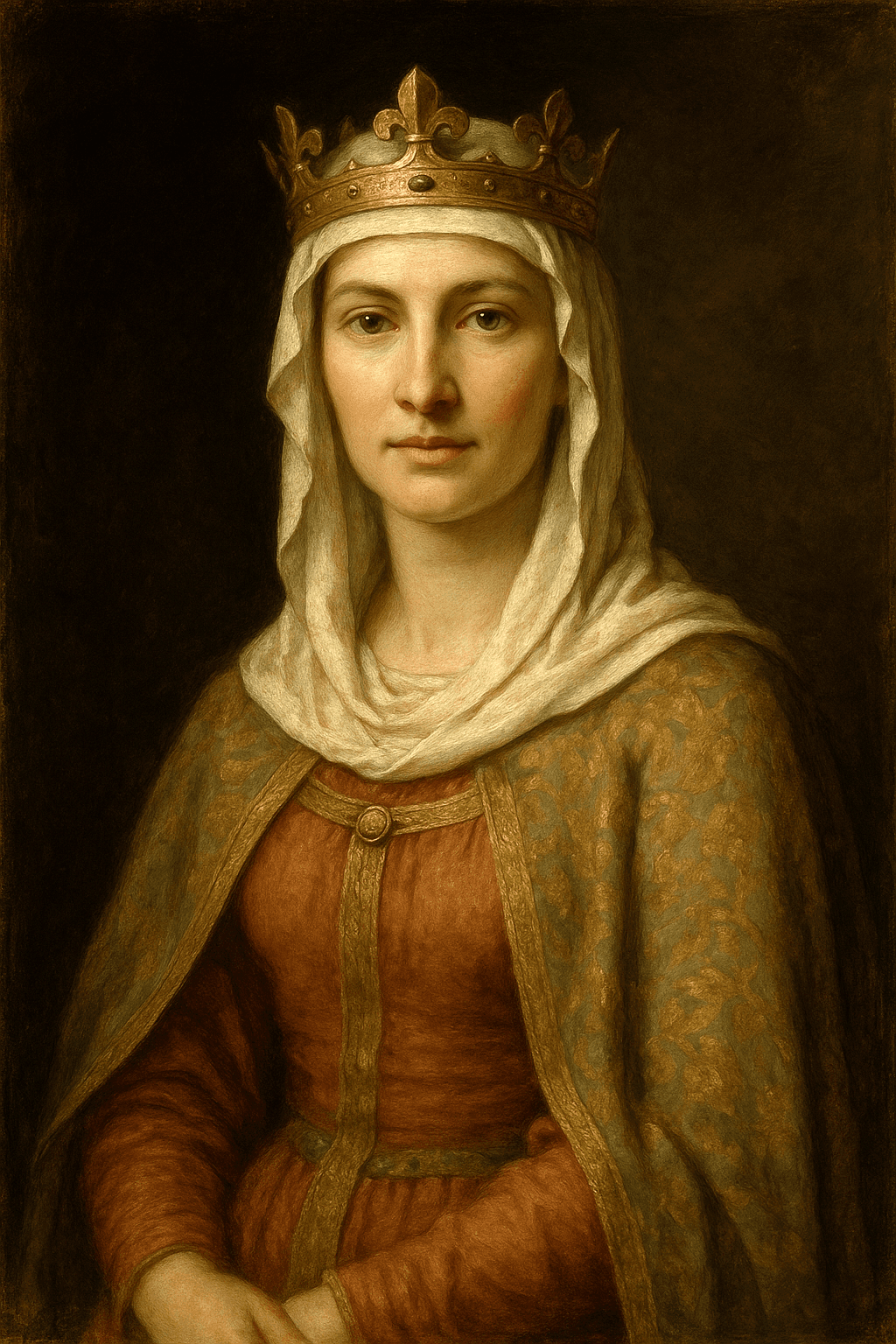
1199 - Fontevraud Abbey
Place story available
Endurance, bereavement, and the refusal of power to stay buried.
At Fontevraud Abbey, the most powerful woman of the medieval world confronts the wreckage left by her own sons.
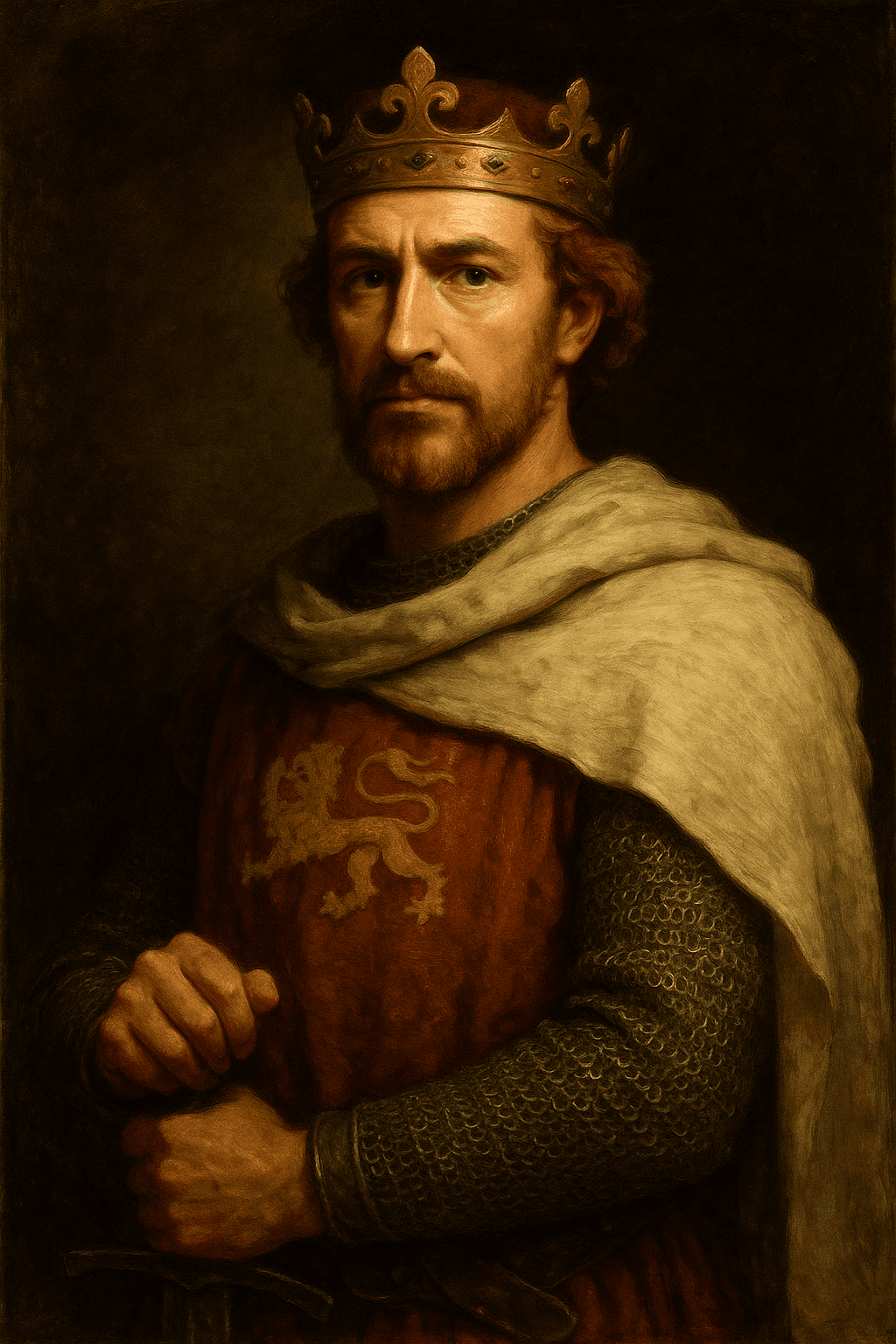
1199 - Chalus
Wound, succession, and legend arriving too early.
Laid up near Châlus with a crossbow wound that will kill him, a crusader king dictates the truth about holy war.
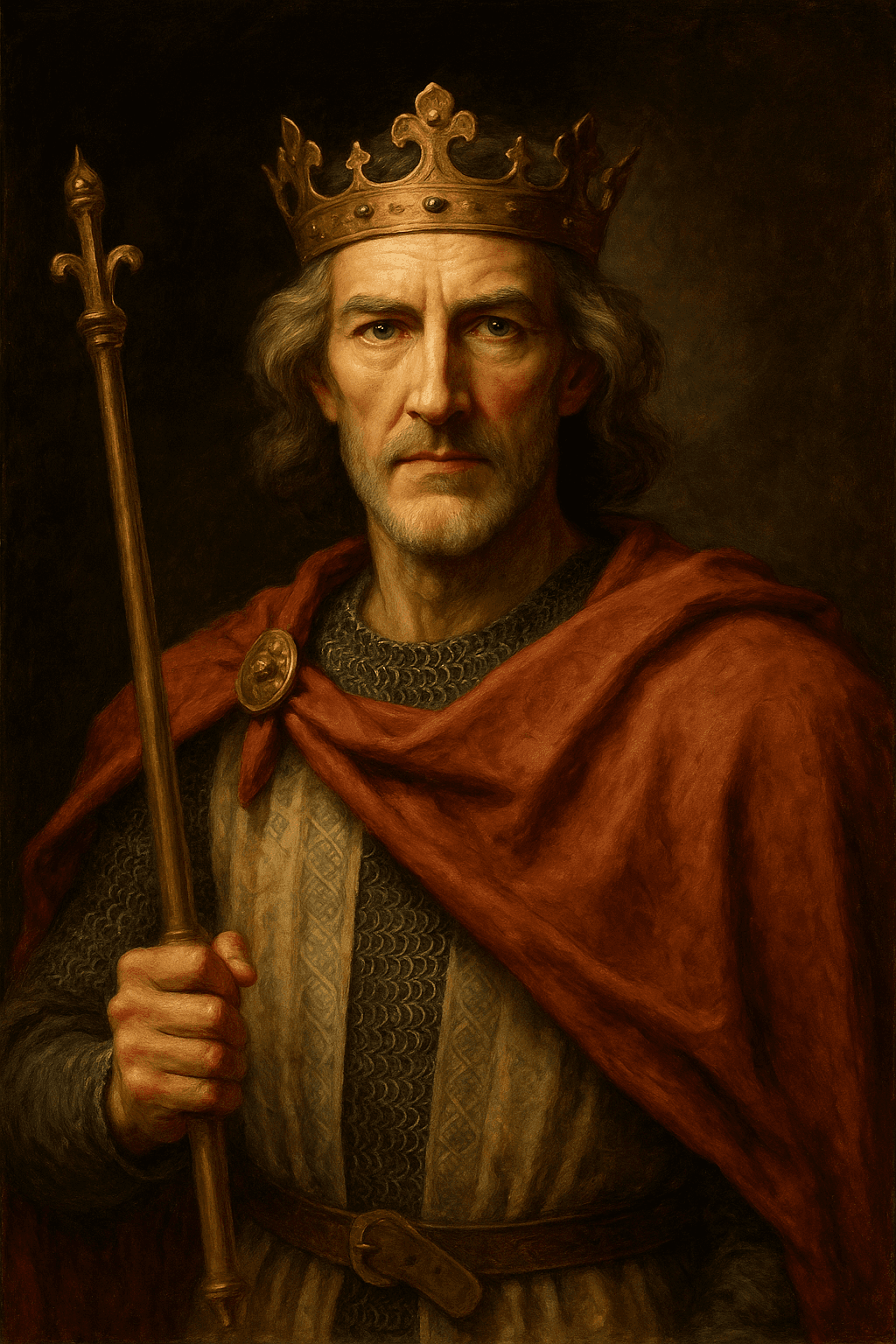
1307 - Burgh by Sands
Place story available
Physical failure, unfinished conquest, and will resisting its last limit.
Carried rather than riding toward the Scottish border, a king whose will outlasted his body reflects on what conquest requires.
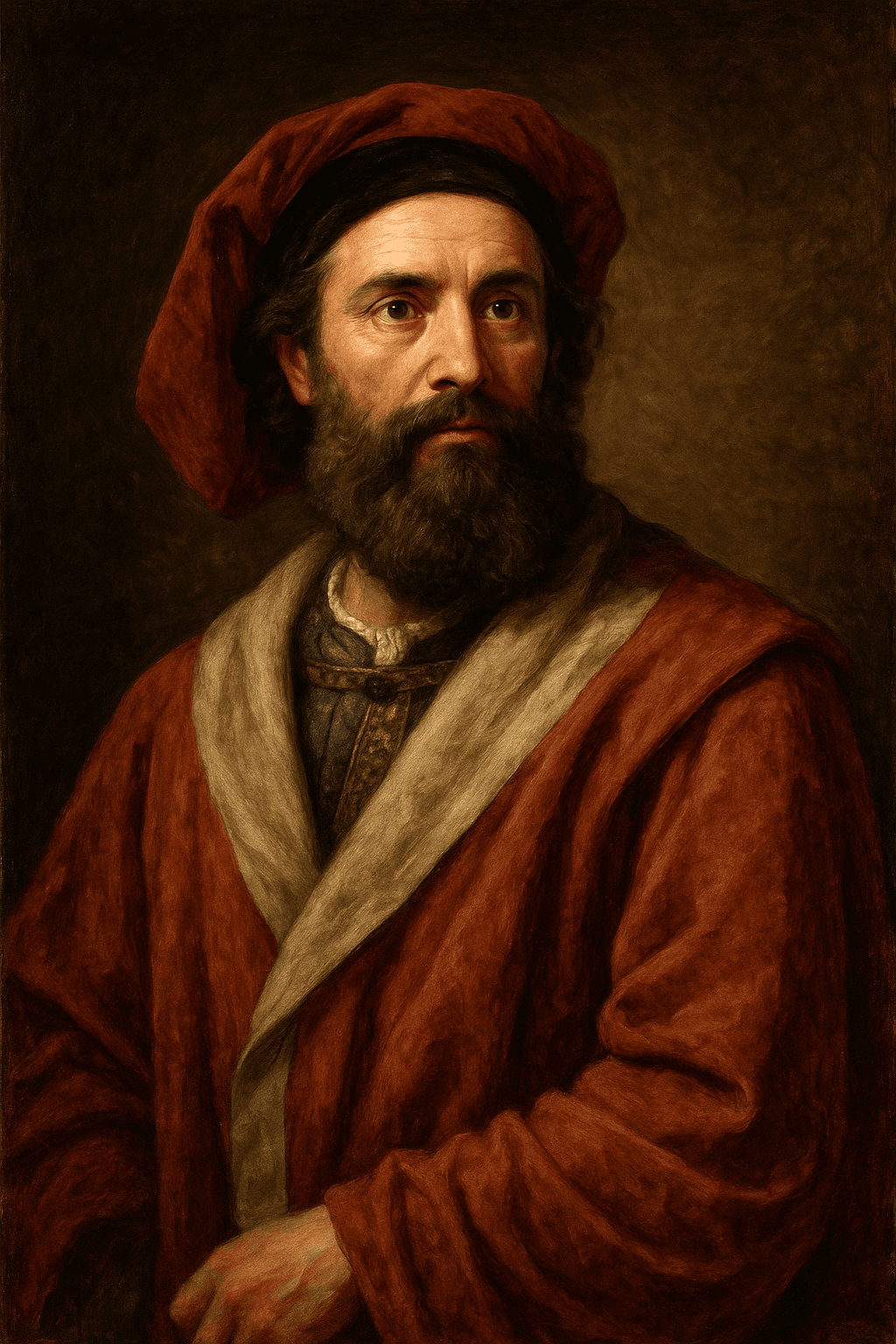
1323 - Venice
Place story available
In Venice, as his body thins, the traveller who connected East and West sets down what he saw that no one in Europe was prepared to believe.
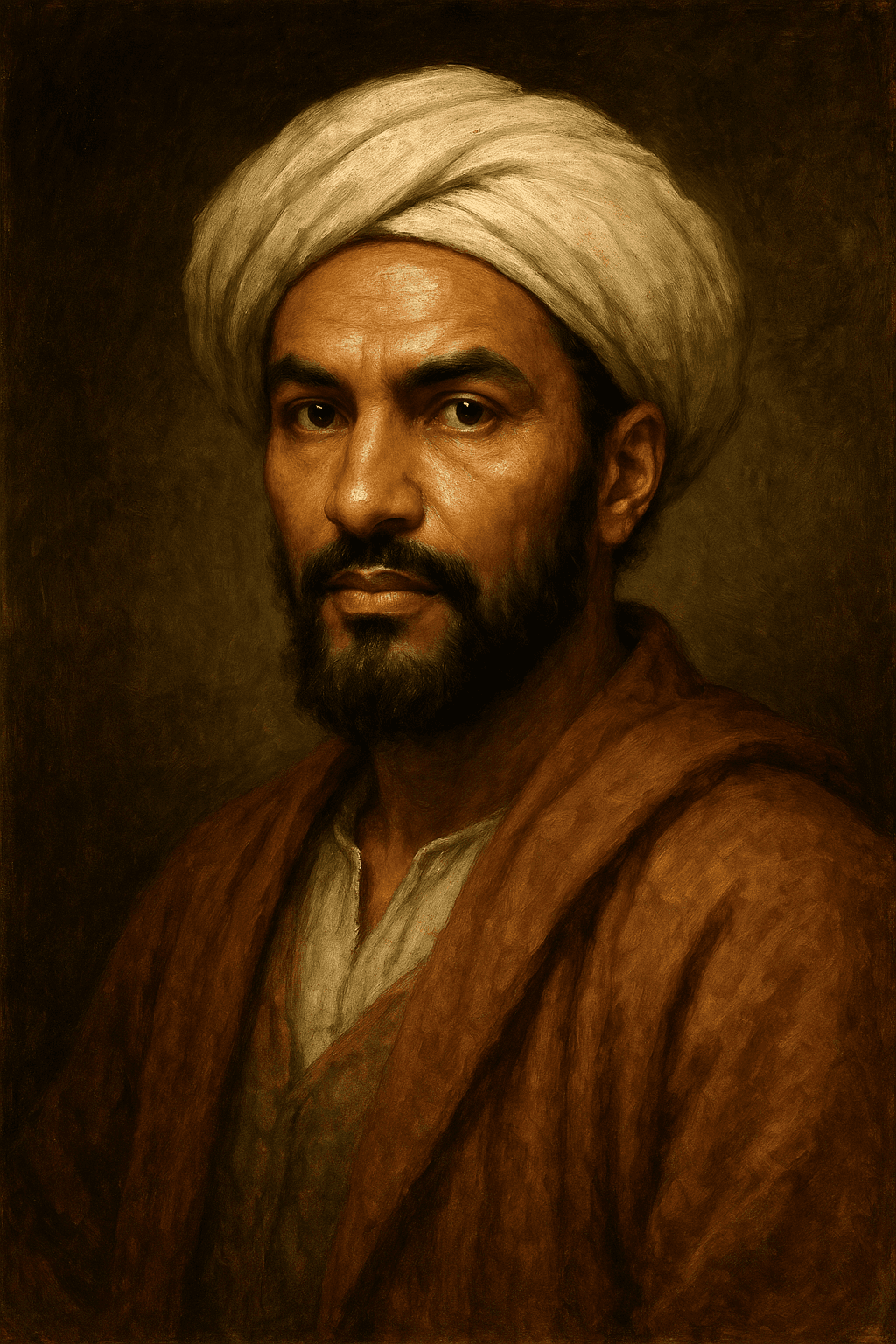
1355 - Fez
Place story available
In Fez, with his travelling finished, the most widely journeyed man of the medieval world sets down what movement taught him that stillness never could.
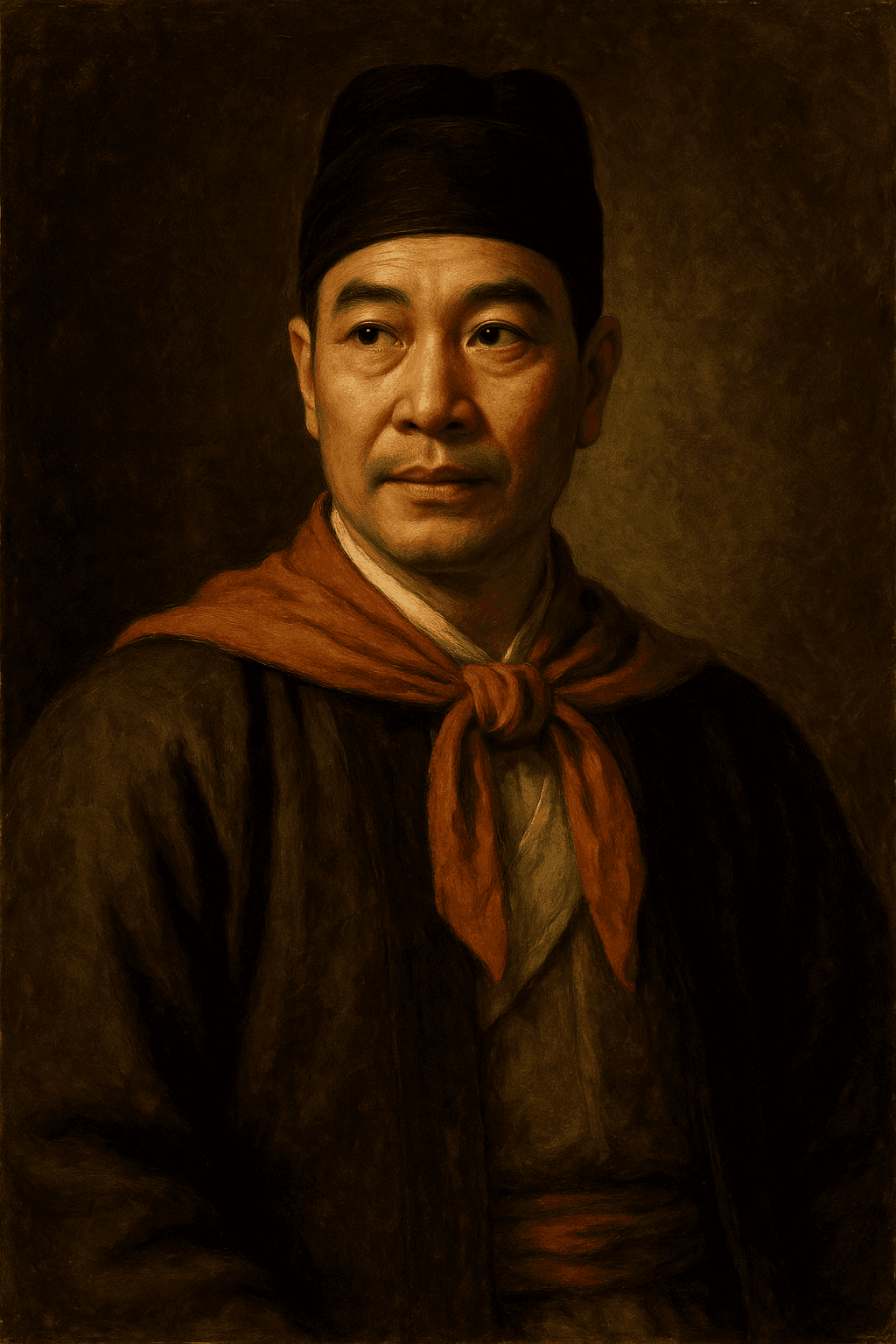
1433 - Nanjing
Place story available
In the southern provinces of the Ming Empire, the admiral who commanded the greatest fleet in history reflects on why the emperor ordered the ships burned.
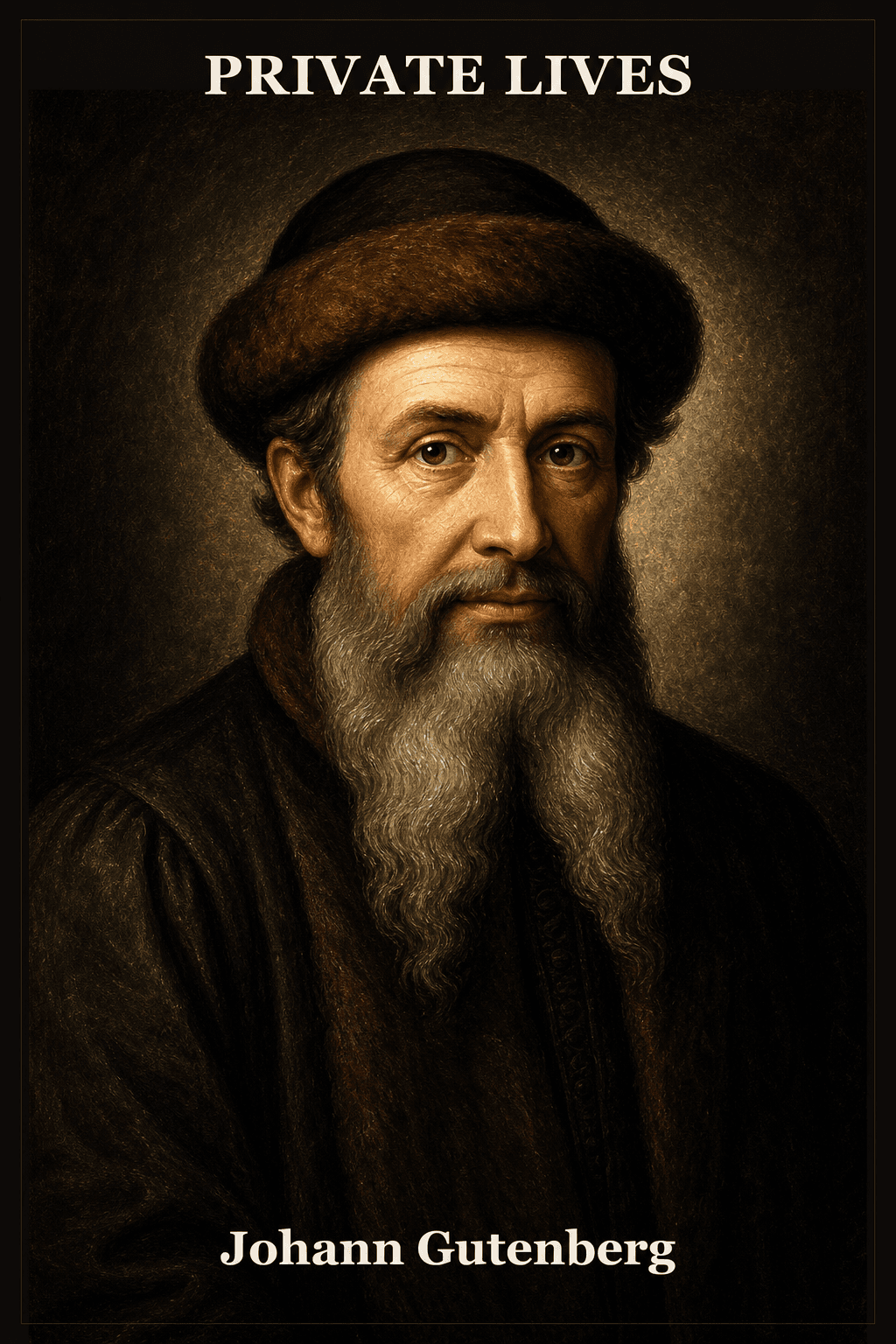
1465 - Mainz
Place story available
In Mainz, no longer master of the press that bears no name of his, the man who made the modern world possible reflects on invention, debt, and erasure.
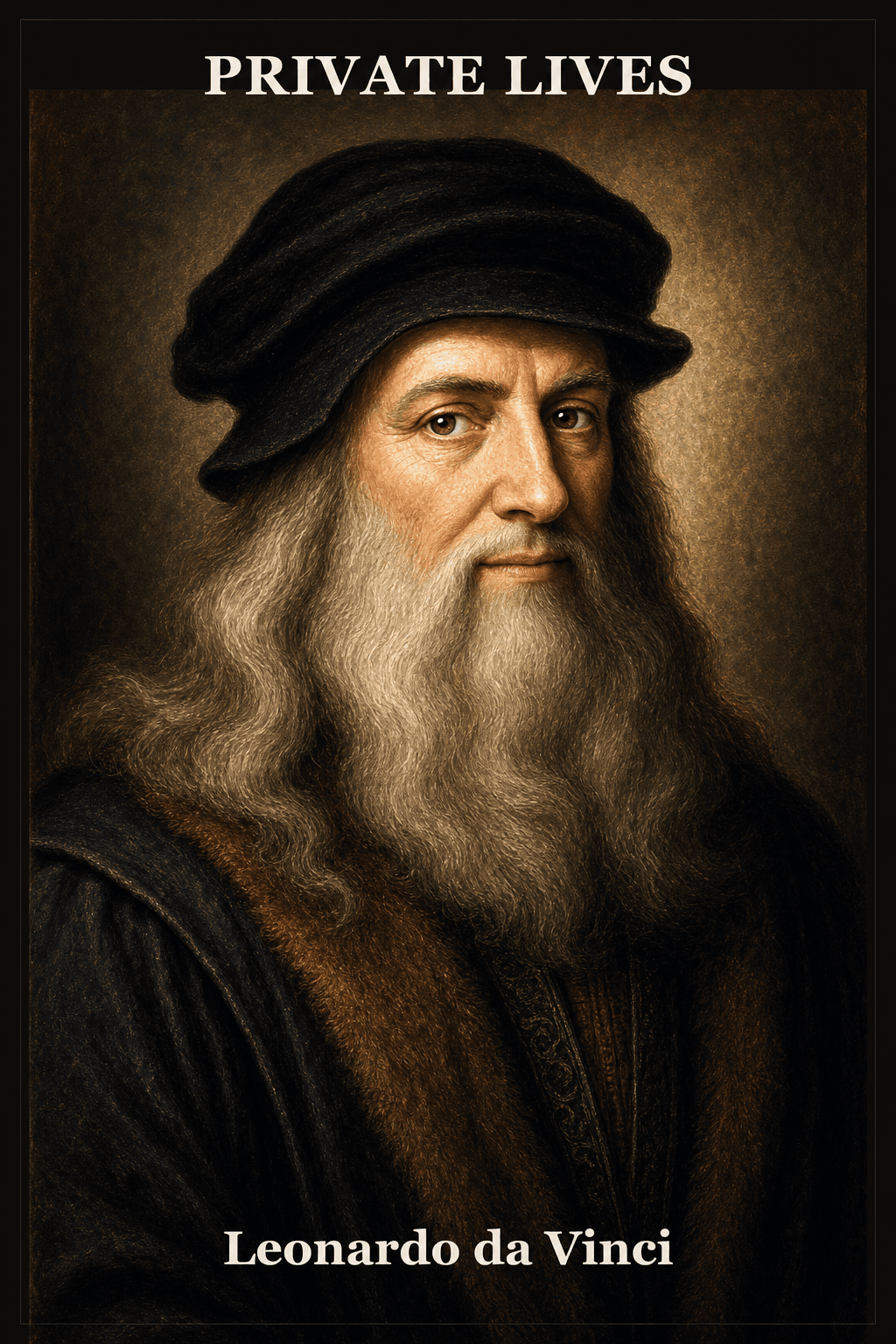
1519 - Château du Clos Lucé, Amboise
Place story available
The right hand has ceased from certain offices, not from the design entire, and I begin there because it is necessary to place the matter correctly from the first line.
1520 - Rome
Place story available
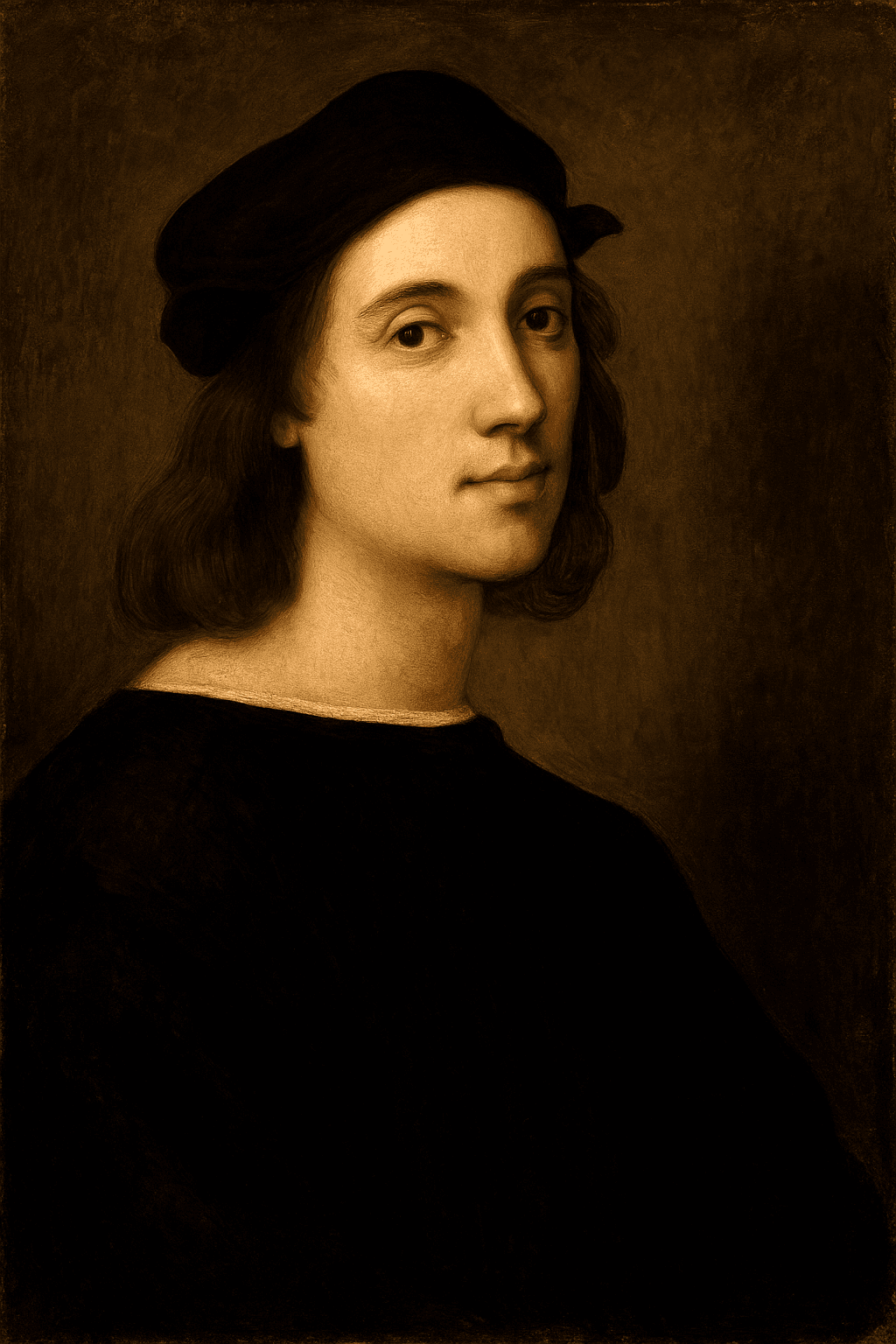
I am thirty-seven years old and something is wrong with my body.
1521 - Cebu
Place story available
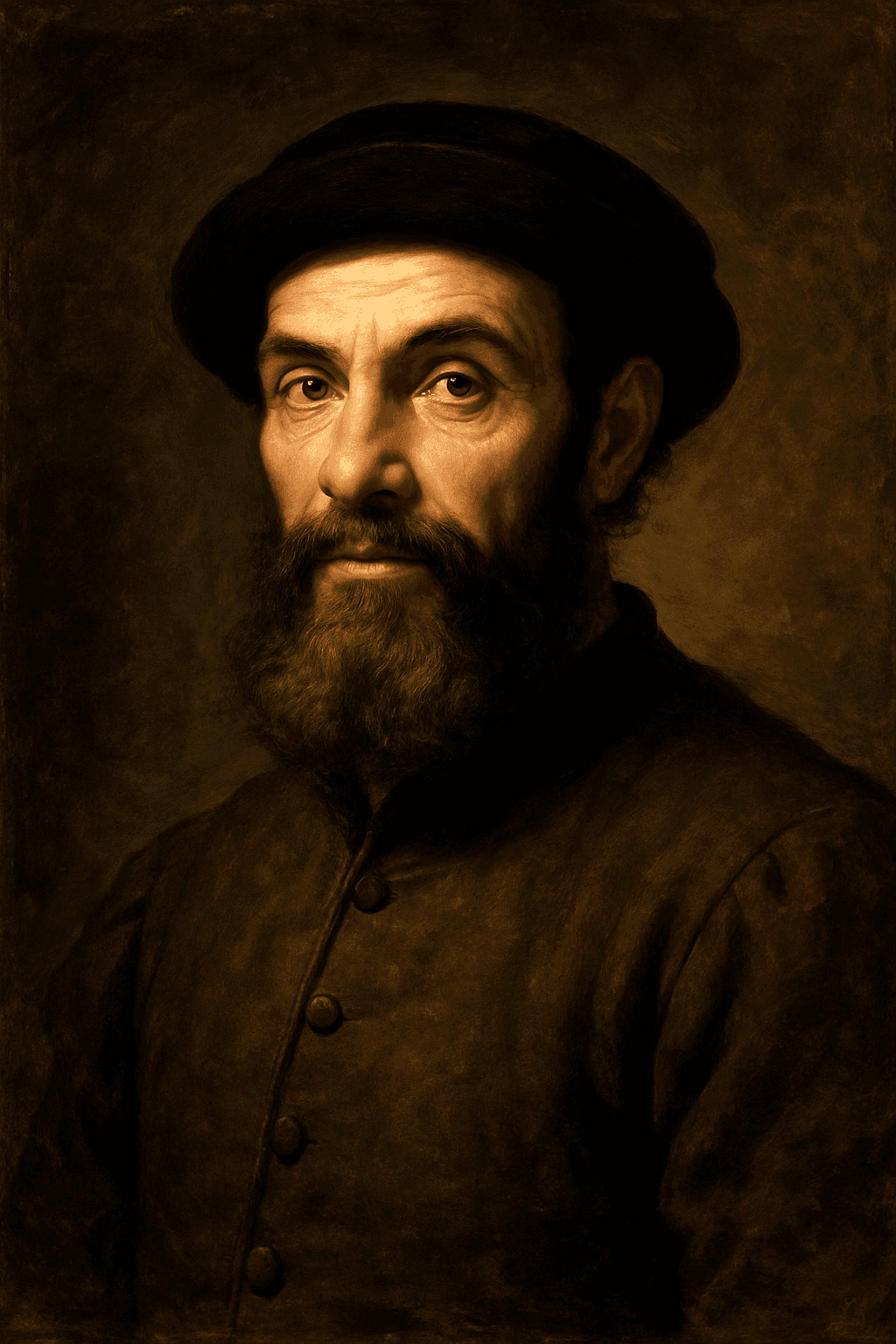
Having carried Castile across the ocean he named, a navigator feels command slipping and writes what the voyage actually cost.
1524 - Cochin
Place story available
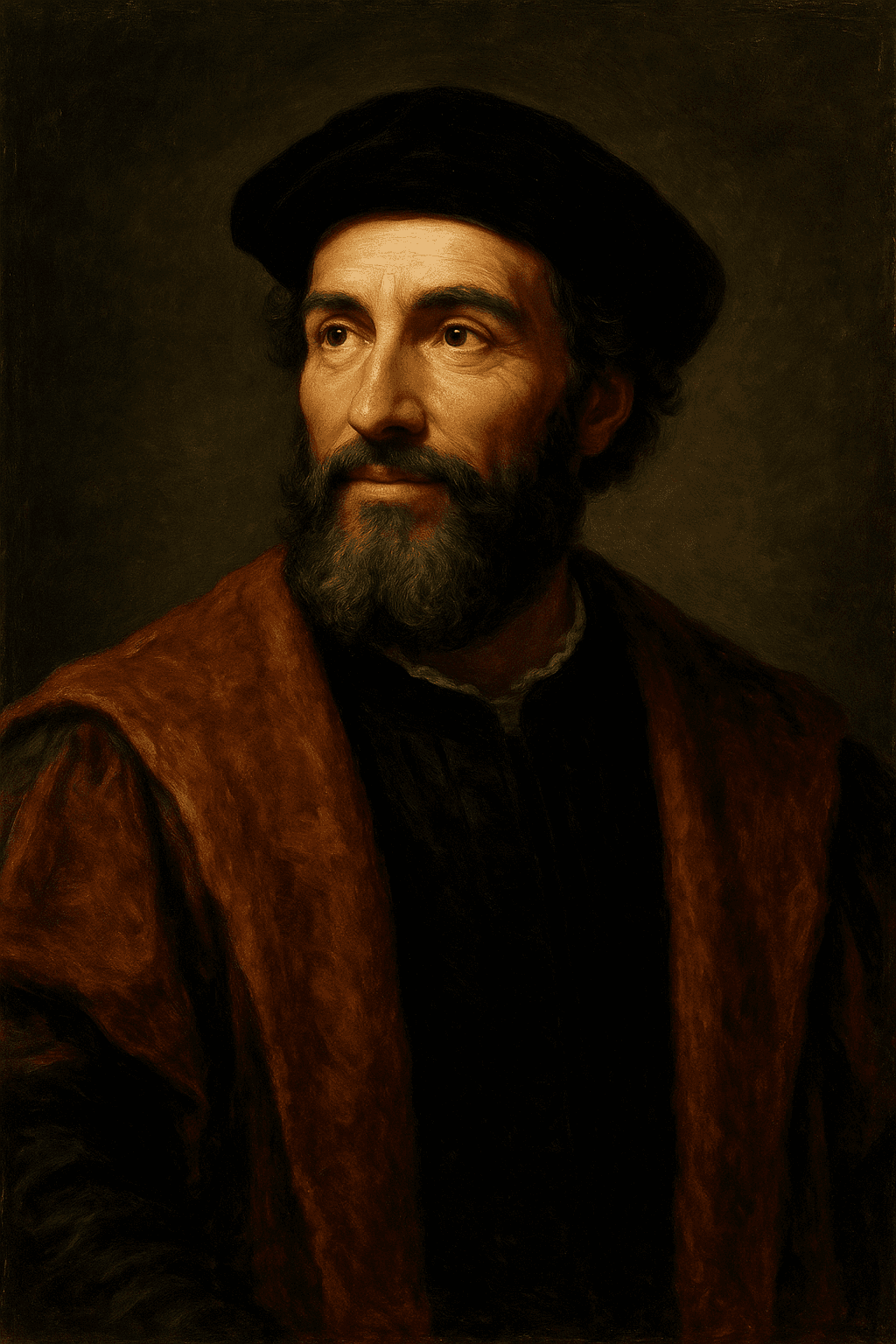
Broken by fever in Cochin, the man who found the sea route to India confronts what the Estado became in other men's hands.
1526 - Outside Florence
Place story available
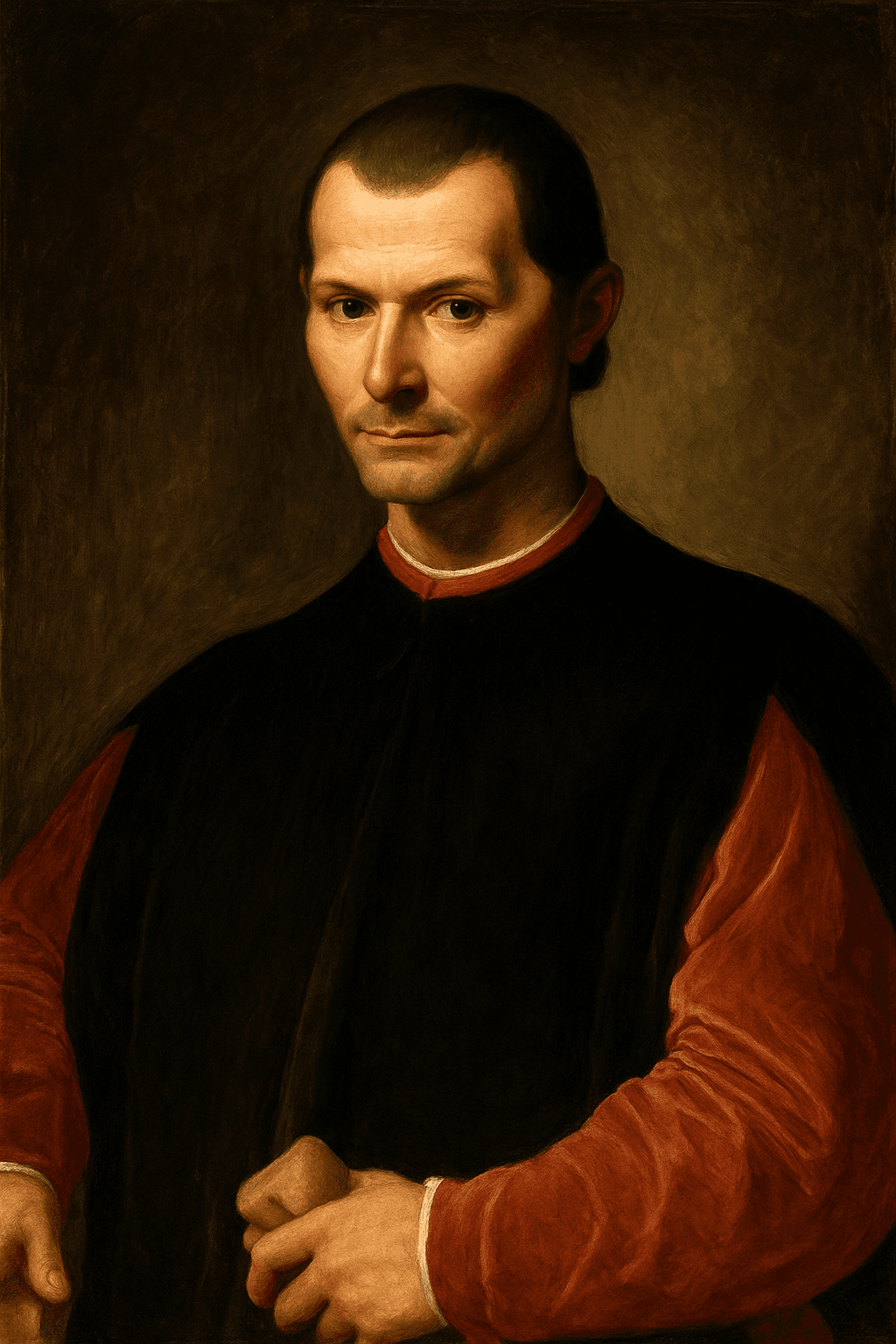
At his farm outside Florence, where exile has thinned his patience, the author of The Prince writes what power actually looks like when you no longer have any.
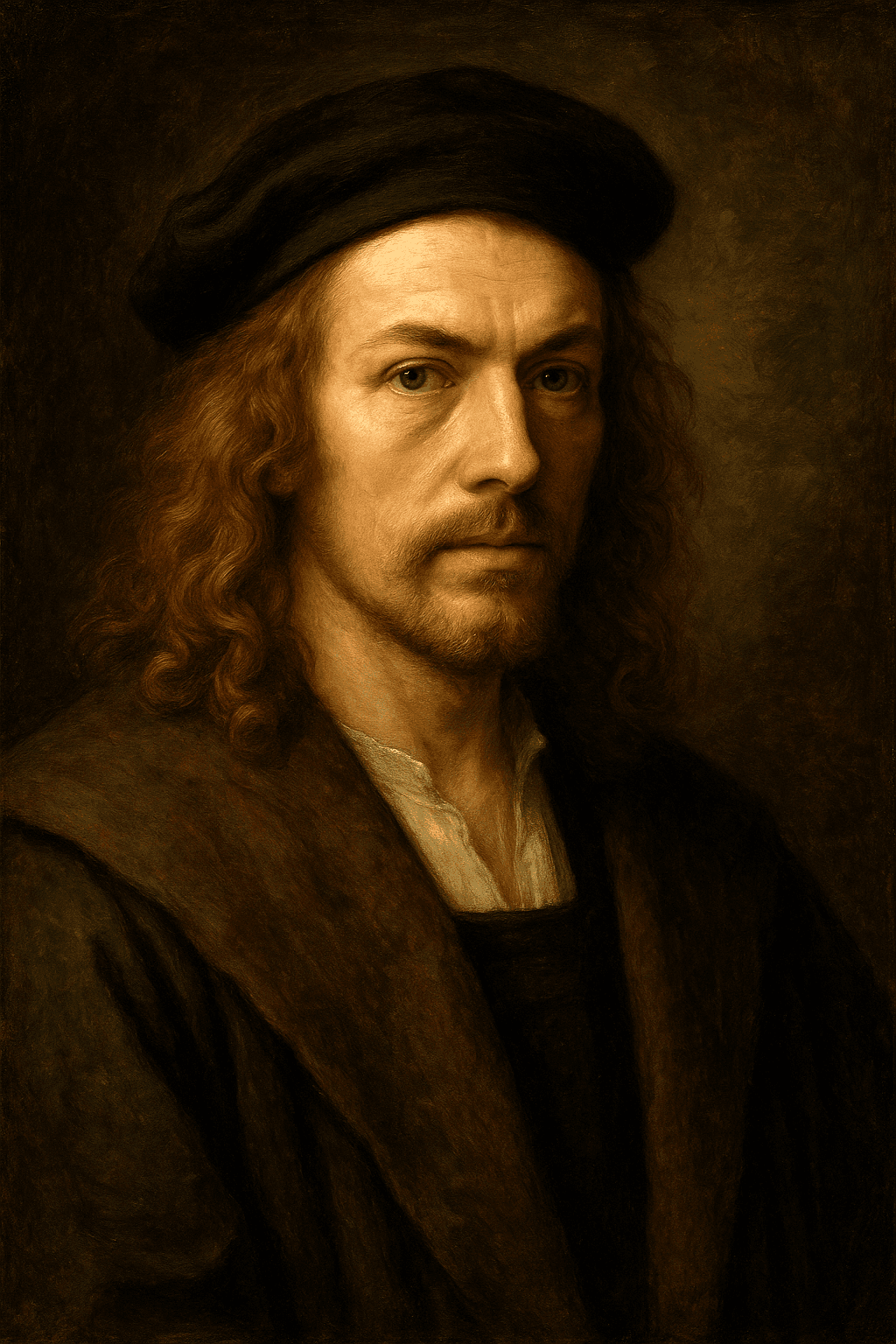
1528 - Nuremberg
Place story available
I am fifty-six years old and the body has been in decline since Zeeland, since the marsh air and the whale I did not properly see and the fever or corruption I brought back with me as if a journey could not be counted complete without some residue clinging to it.
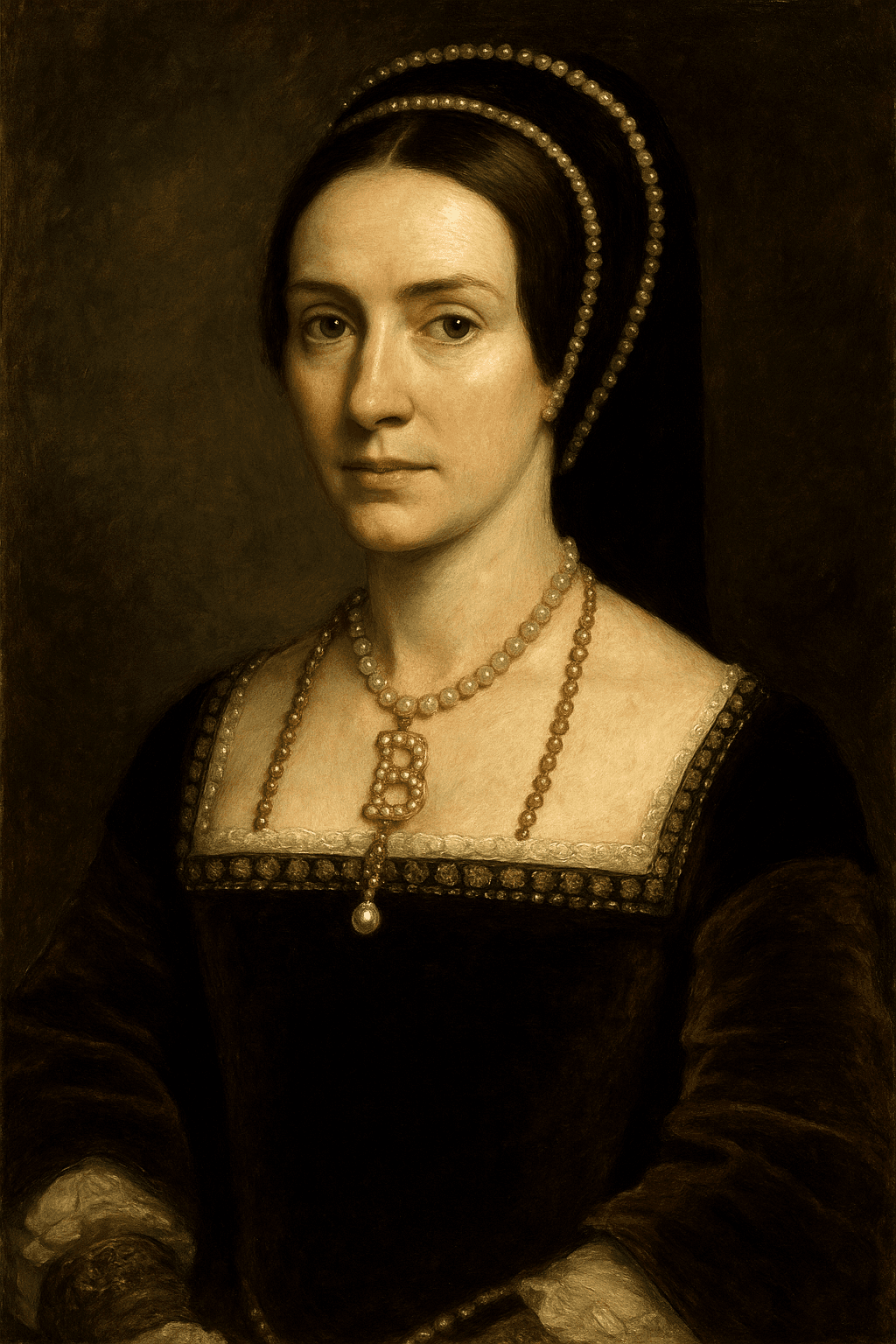
1536 - Tower of London
Place story available
Humiliation, surveillance, and spectacle turning against its former master.
In the Tower of London, waiting for a verdict she already knows, a queen sets down what Henry will never allow to be read.
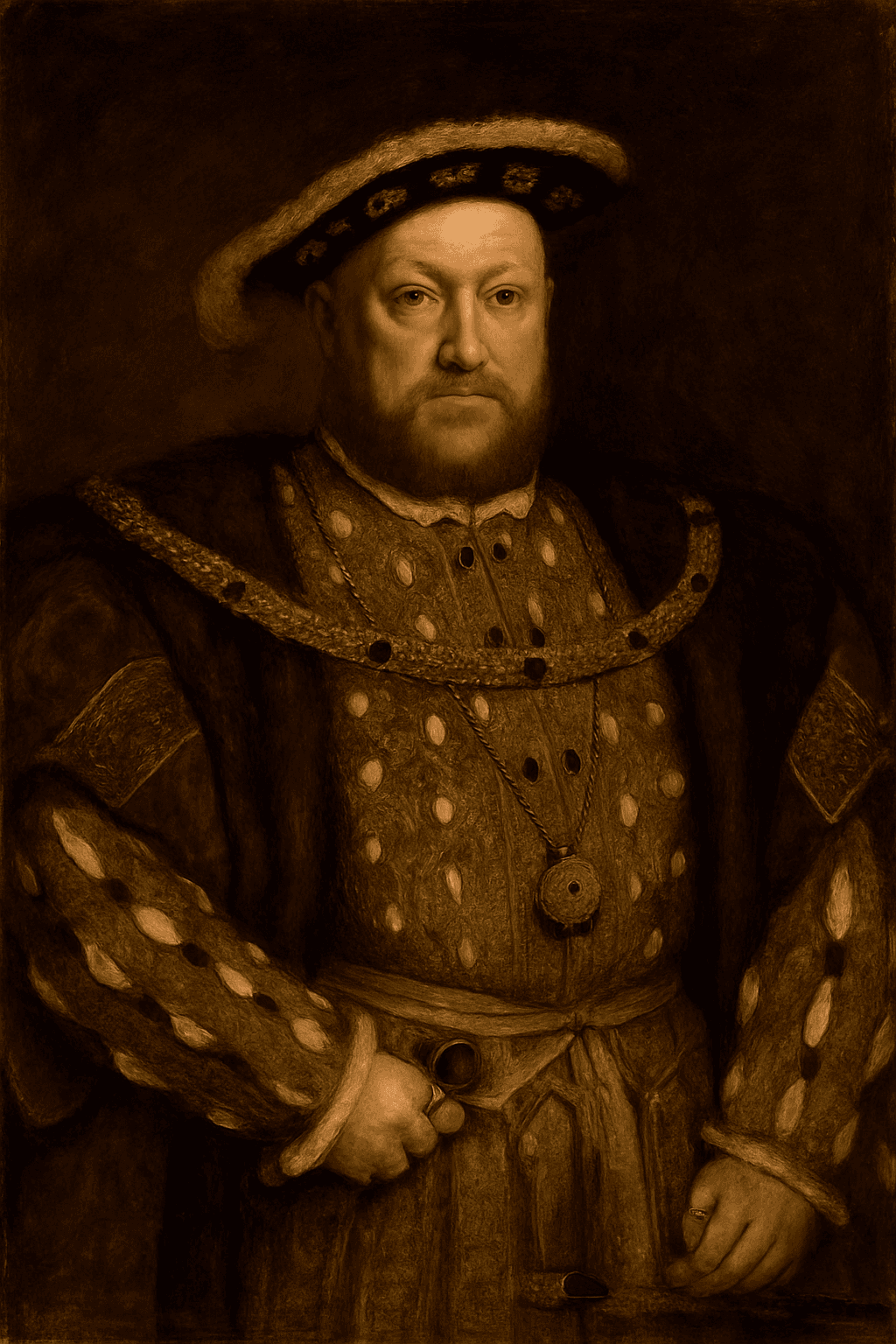
1546 - Whitehall
Place story available
Bodily decline, succession, and the court smelling weakness.
A king whose body is failing faster than his grip on power dictates a version of events no courtier would dare to write.
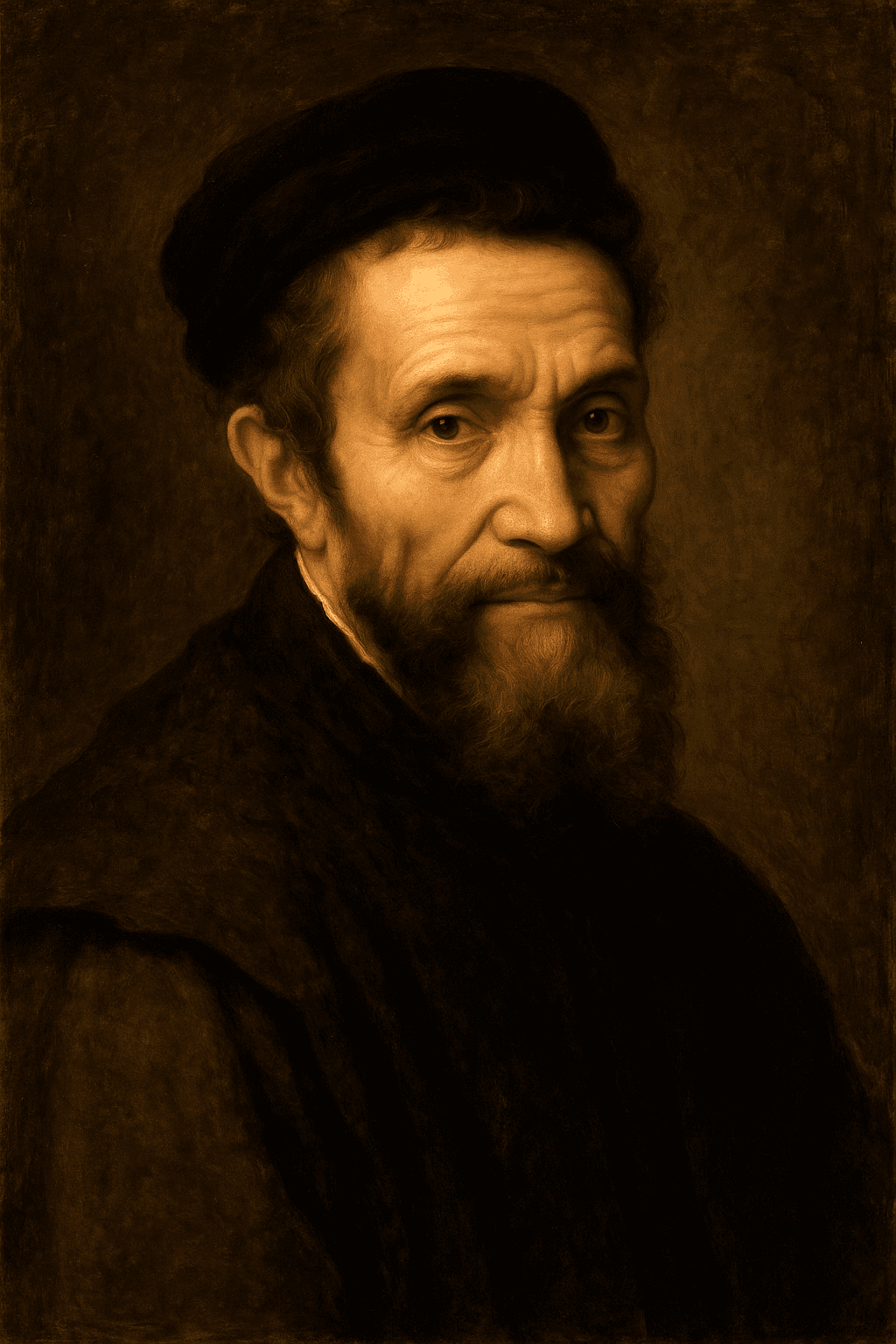
1564 - Rome
Place story available
I am still at the marble.
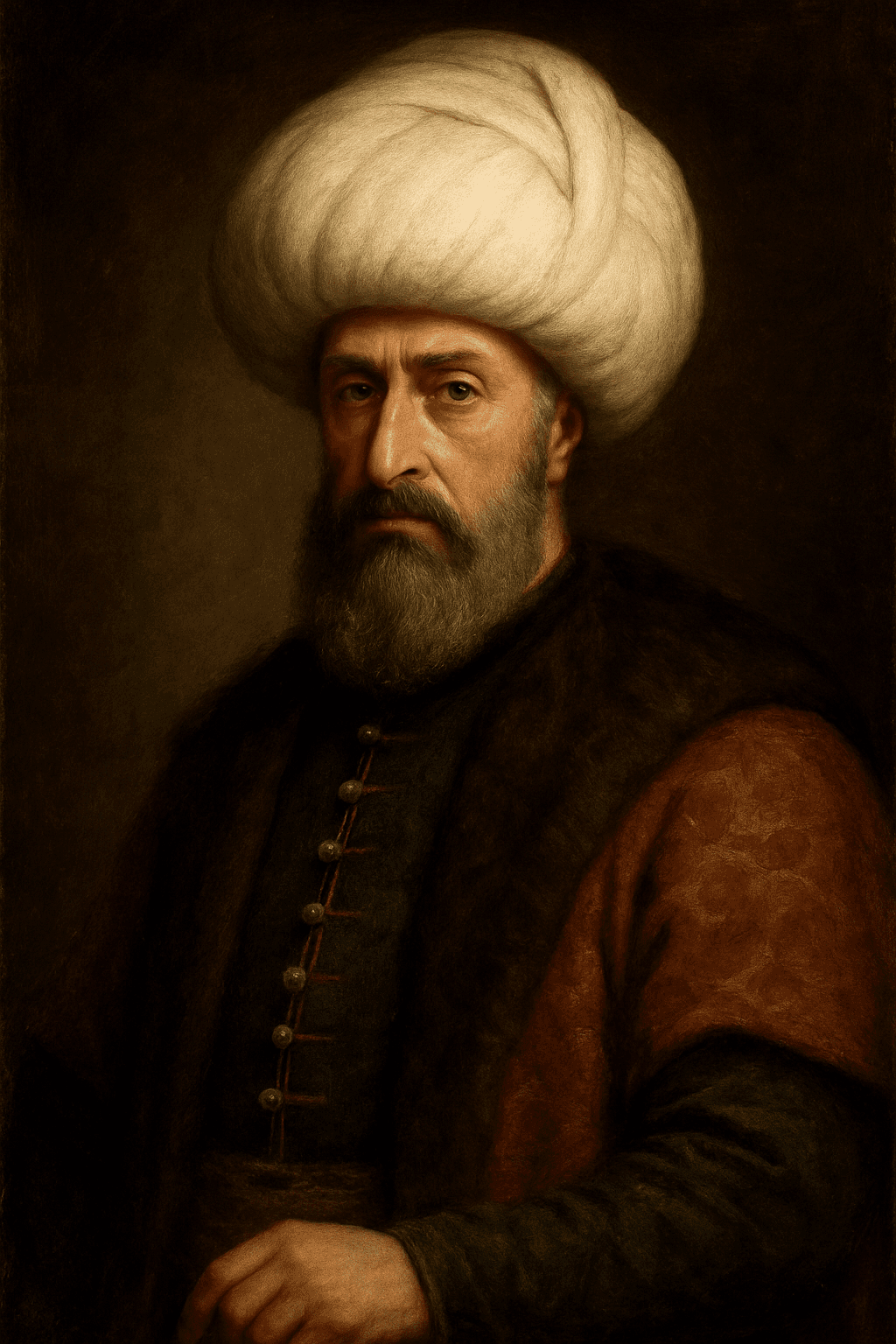
1566 - Camp Outside Szigetvar
Place story available
In the camp outside Szigetvár, the most powerful sultan in Ottoman history confronts the campaign he knows will be his last.
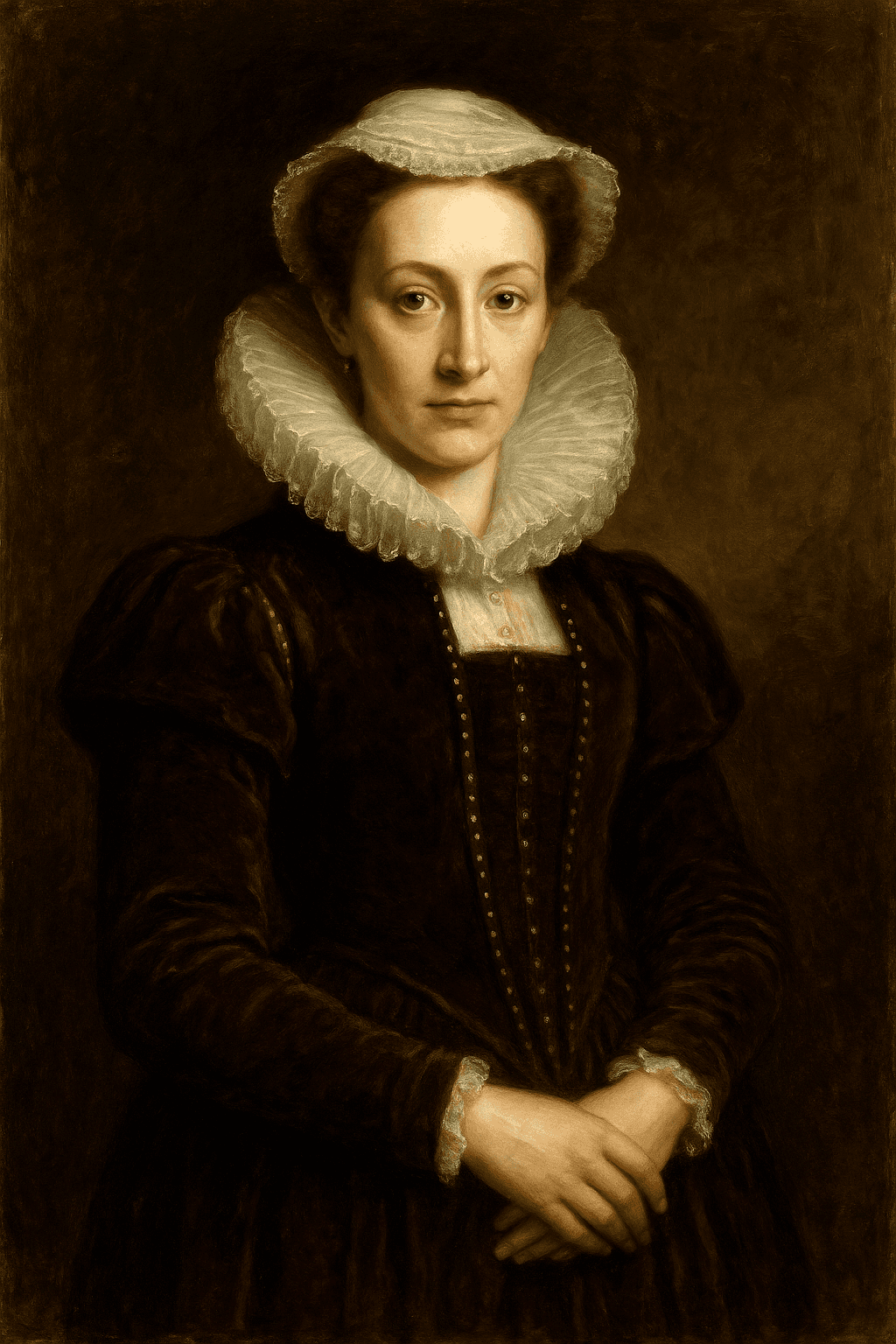
1587 - Fotheringhay Castle
Place story available
Captivity, misrepresentation, and royal intelligence under sentence.
Confined at Fotheringhay, a queen who was never allowed to rule writes her account before her cousin's axe falls.
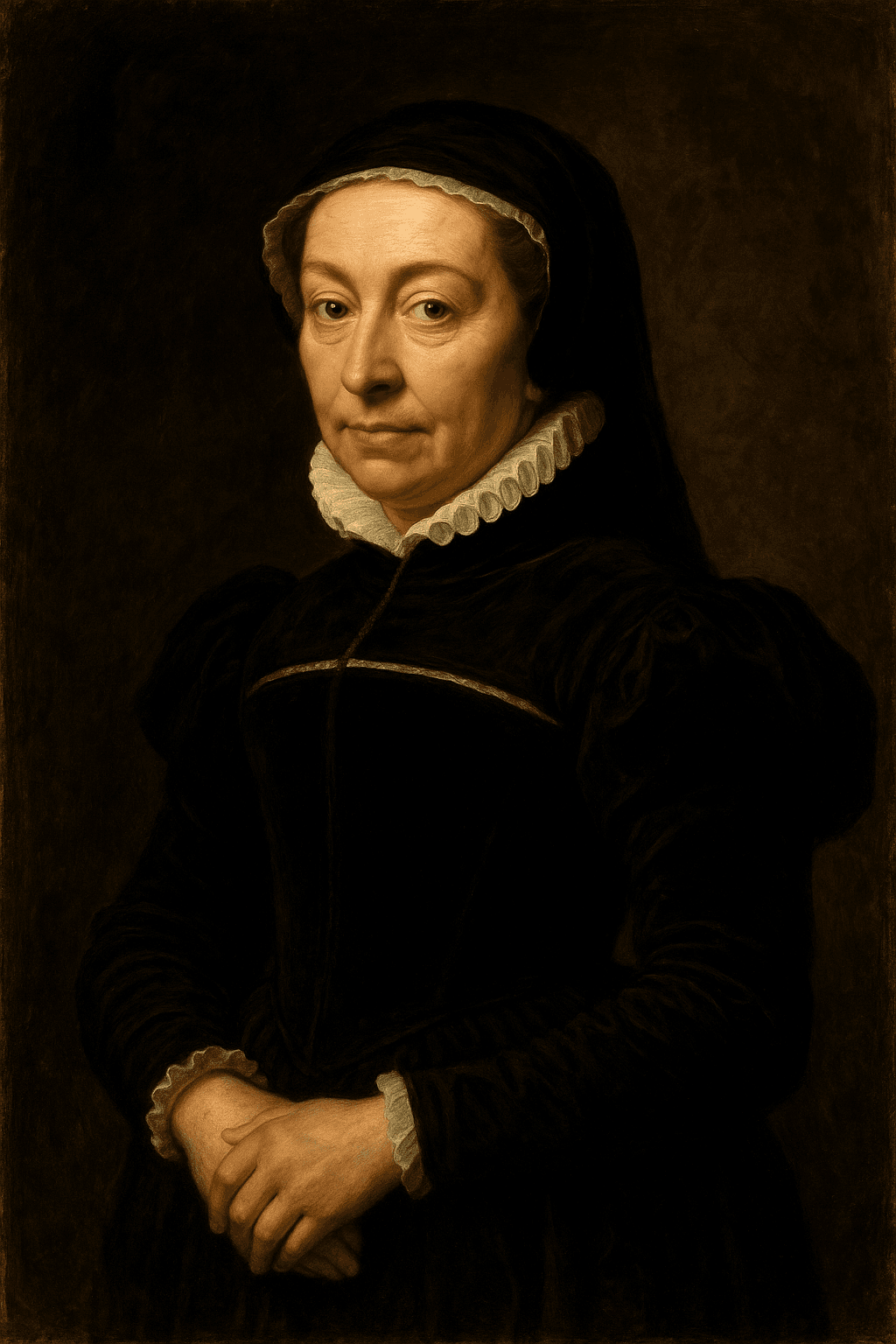
1588 - Blois
Place story available
Court crisis, dynastic weakness, and strategy under slander.
At Blois, as the court tightens around her, a queen mother writes the truth about thirty years of keeping France alive.
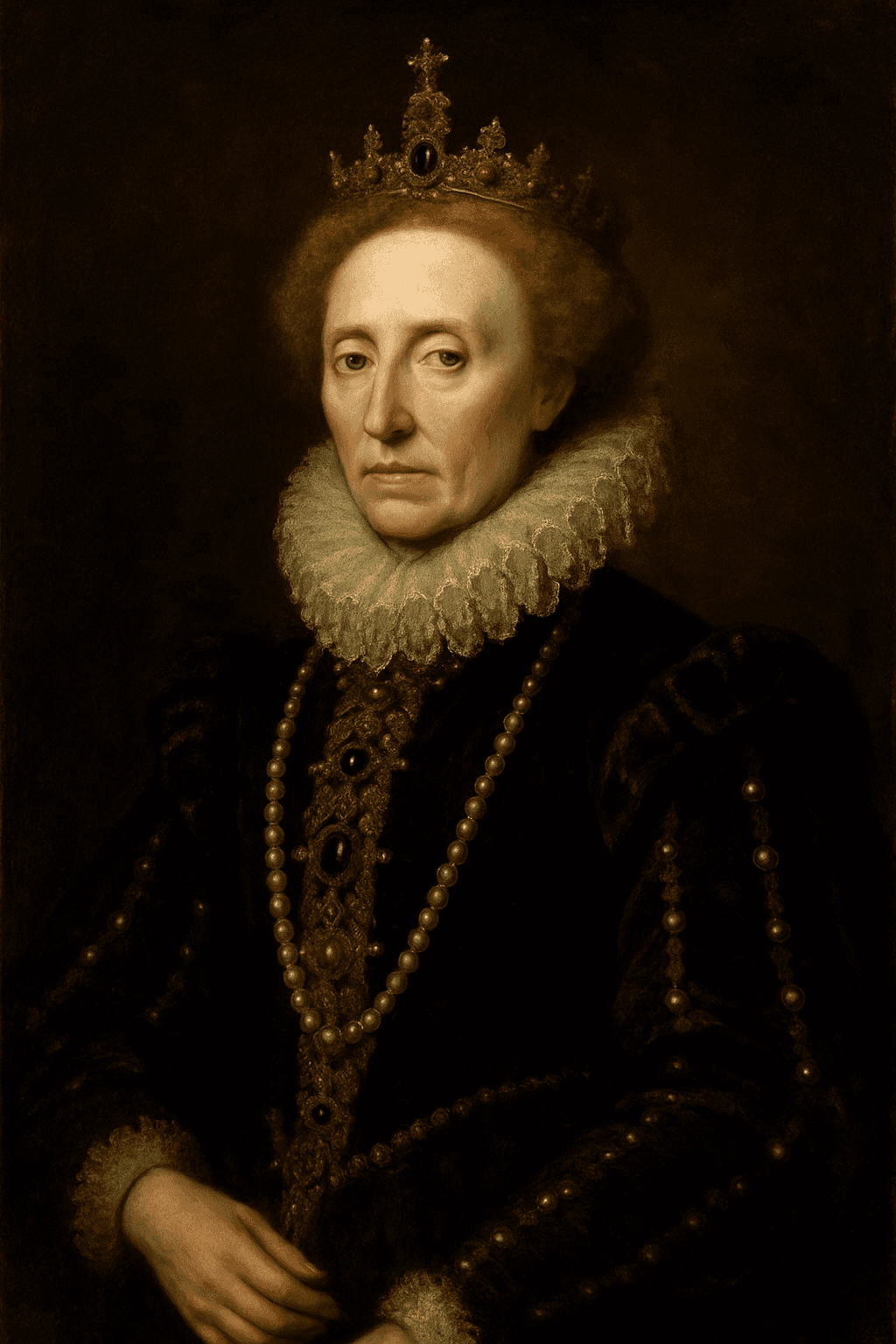
1603 - Whitehall
Place story available
Delay, succession, and the theft of a carefully built image.
In her final winter, a queen who gave everything to England asks whether the throne was worth what it destroyed.
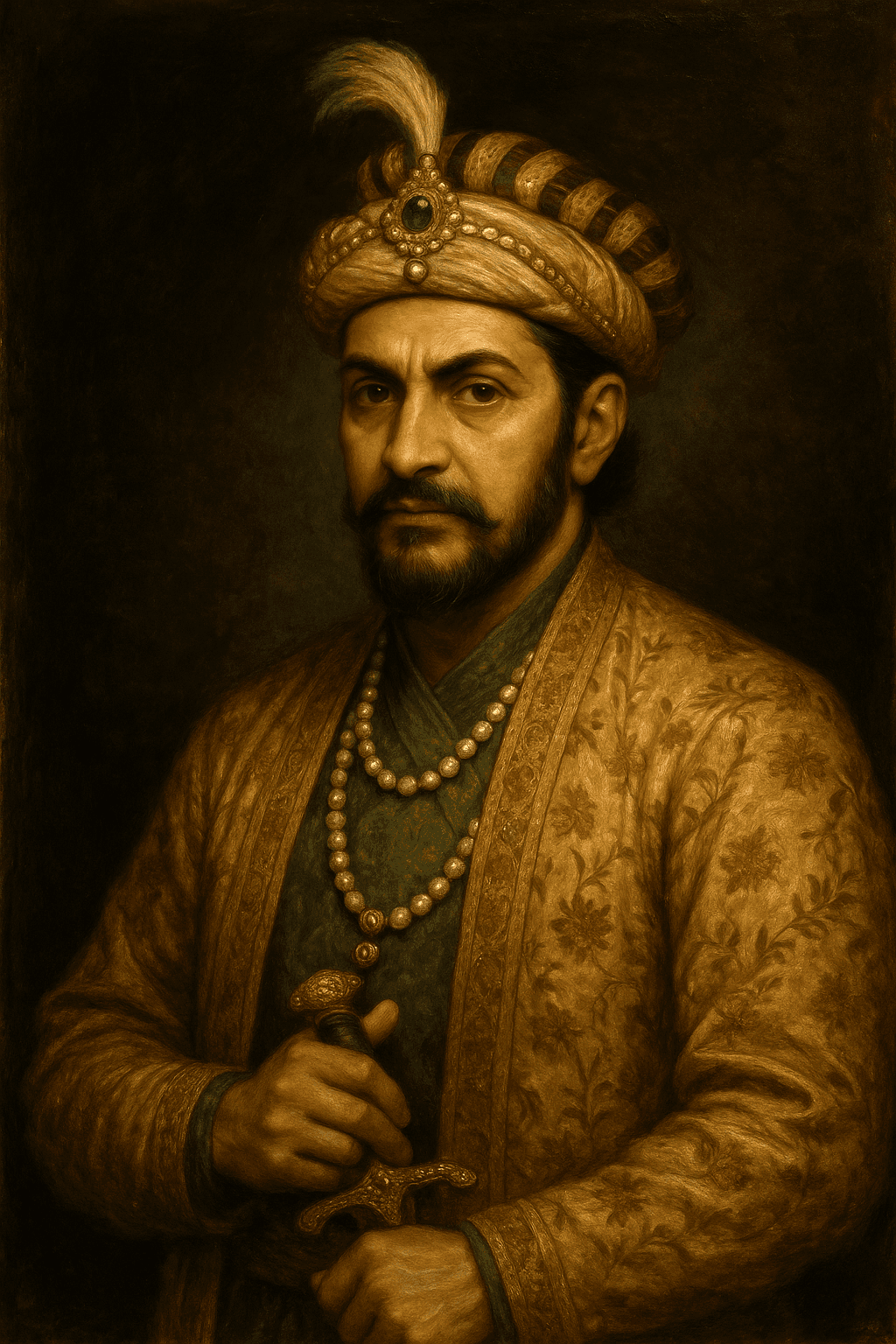
1605 - Agra
Place story available
Succession, universal rule, and the private humiliation of dynastic narrowing.
In Agra, in the forty-ninth year of his reign, an emperor who united faiths confronts the impossibility of succession.
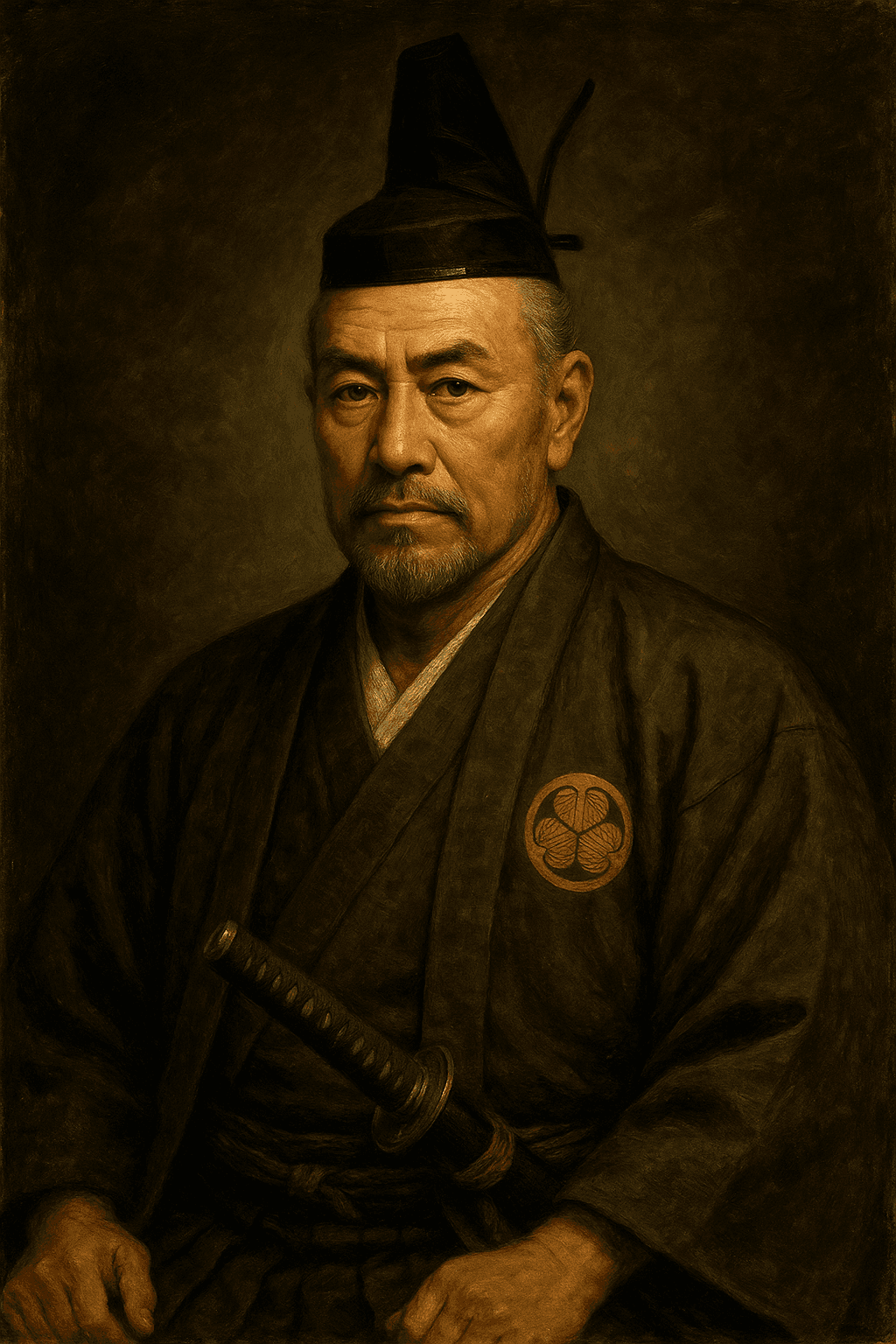
1616 - Sunpu
Place story available
Peace, succession, and the misreading of fear as gentleness.
In the winter of his final year at Sunpu, the shogun who unified Japan considers what peace actually costs to maintain.
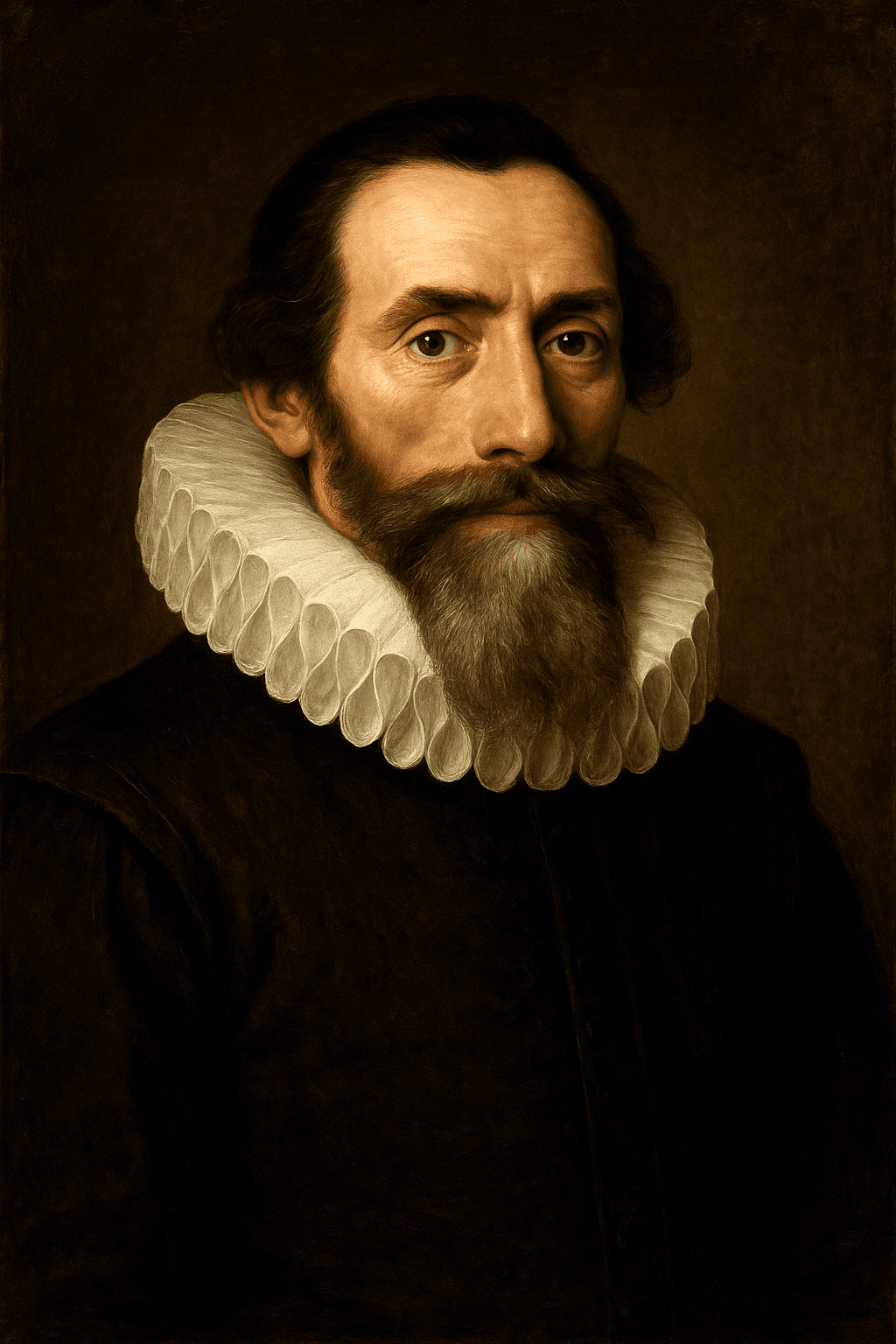
1630 - Regensburg
Place story available
In a hired room with unpaid wages and fever returning, the astronomer who mapped the heavens reflects on the distance between truth and recognition.
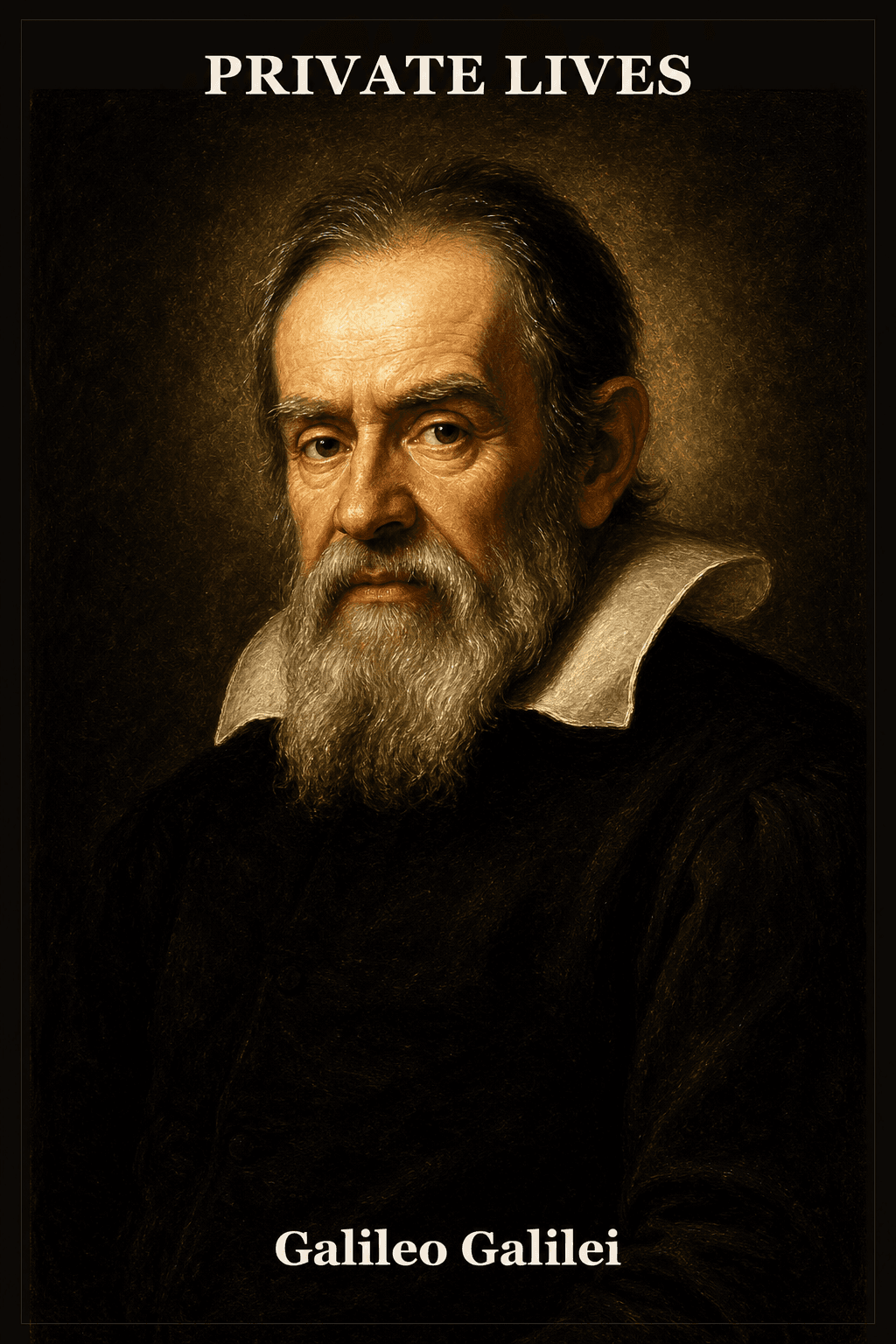
1638 - Arcetri
Place story available
Nearly blind and confined at Arcetri, the father of modern science writes what the Inquisition forbade him from saying aloud.
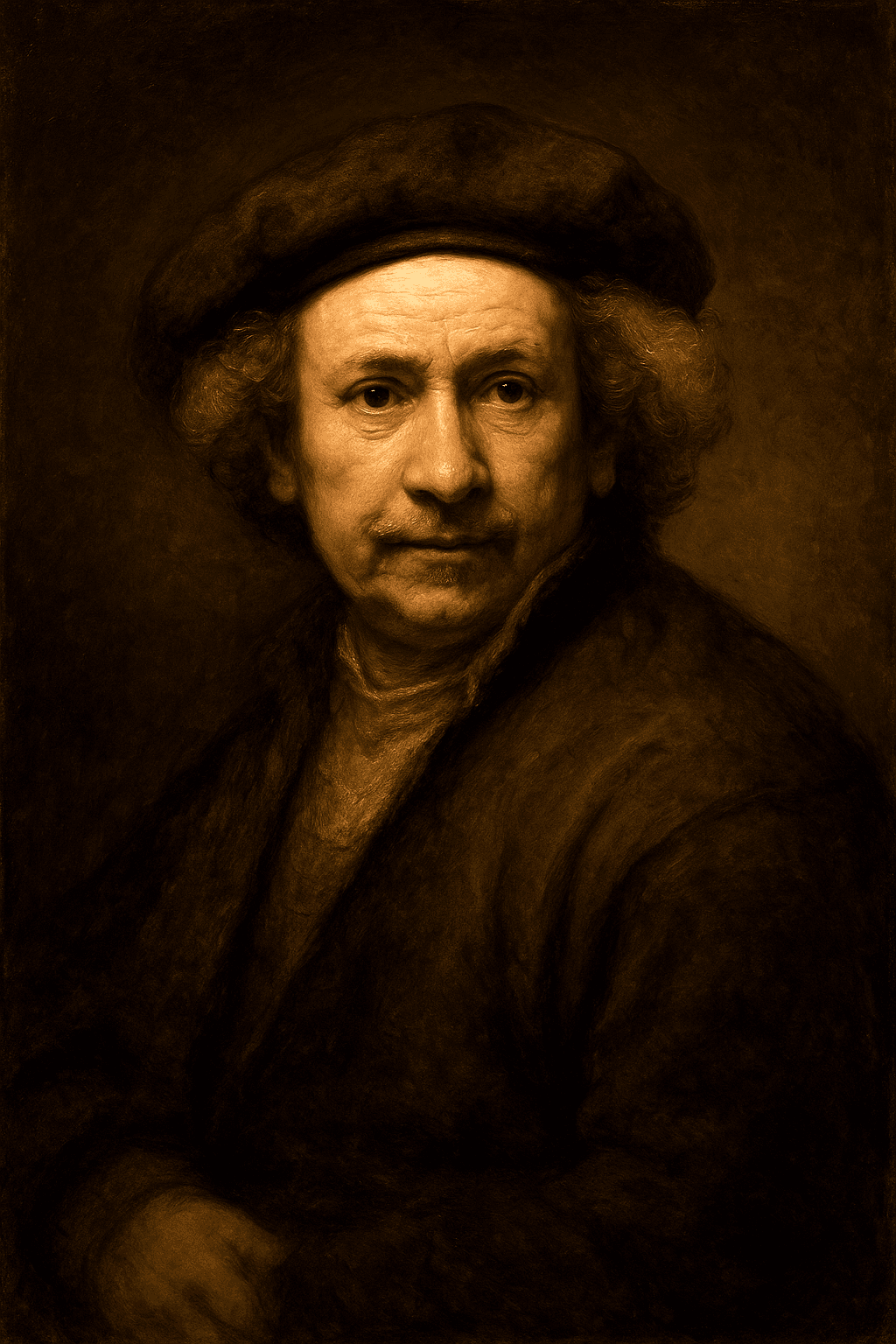
1669 - Amsterdam
Place story available
I am sixty-three years old.
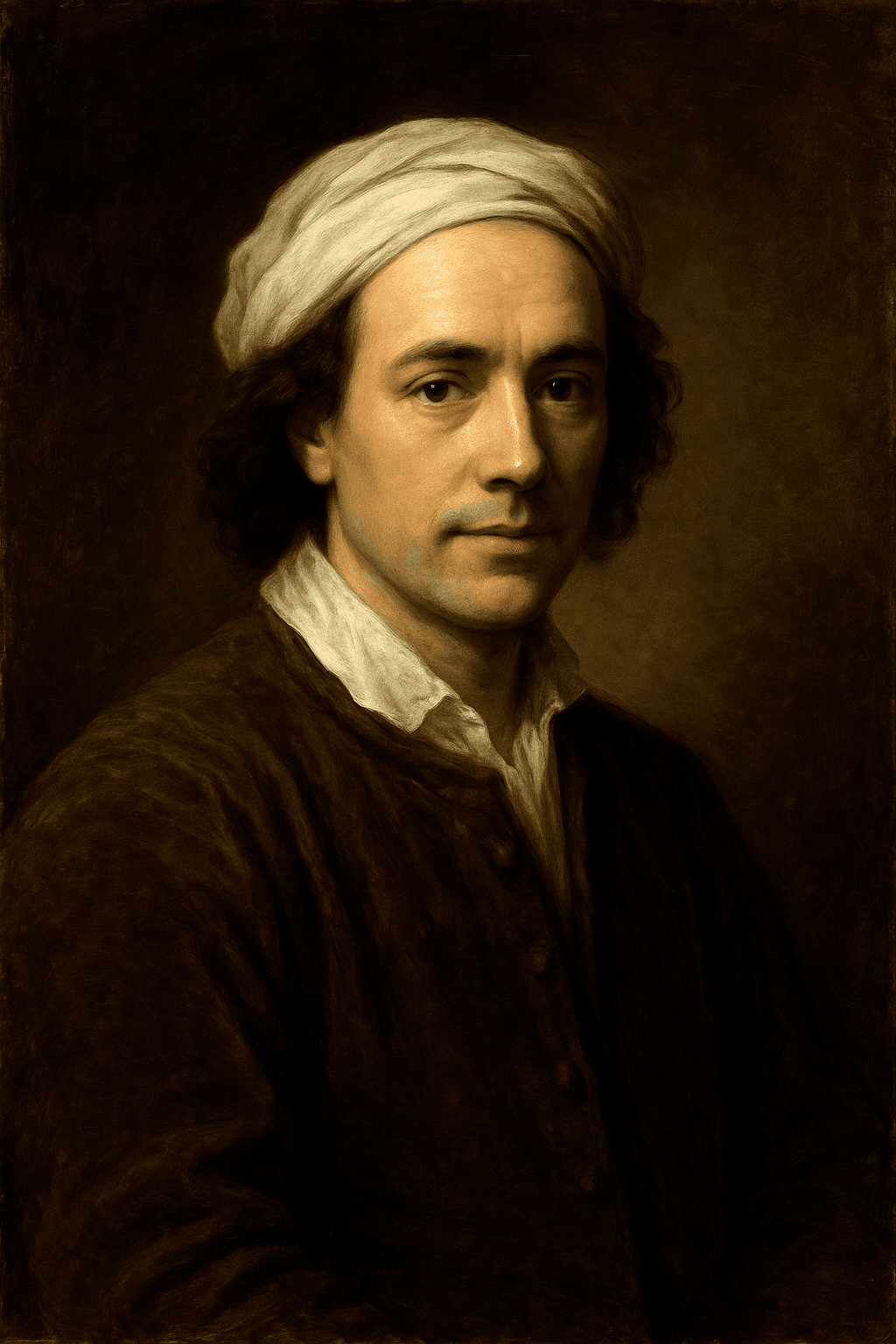
1675 - Delft
Place story available
I have not lost the work.
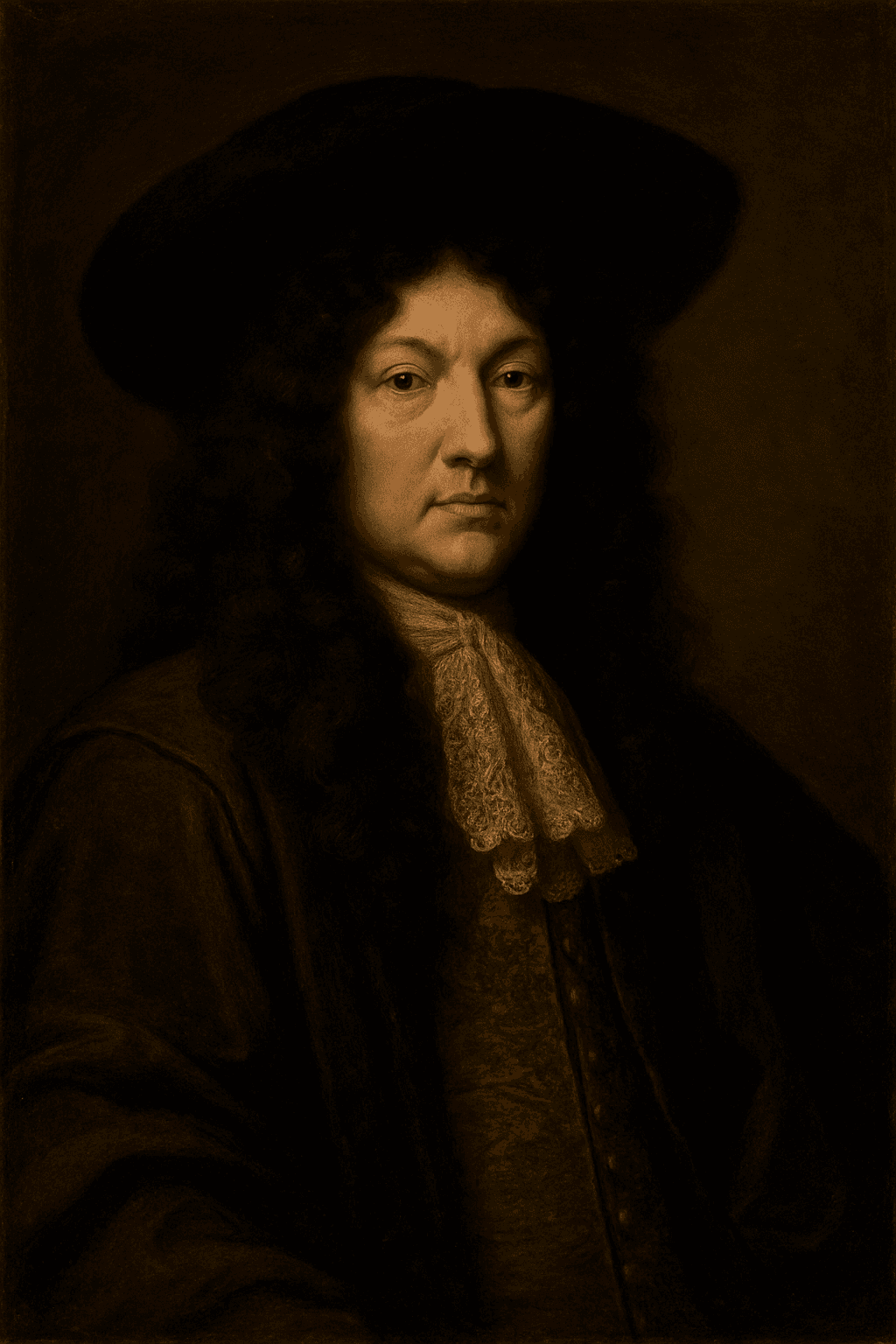
1715 - Versailles
Place story available
Ritual, bodily decline, and the separation of image from control.
Feeling control leave his body at Versailles, the Sun King writes what absolute power actually felt like from the inside.
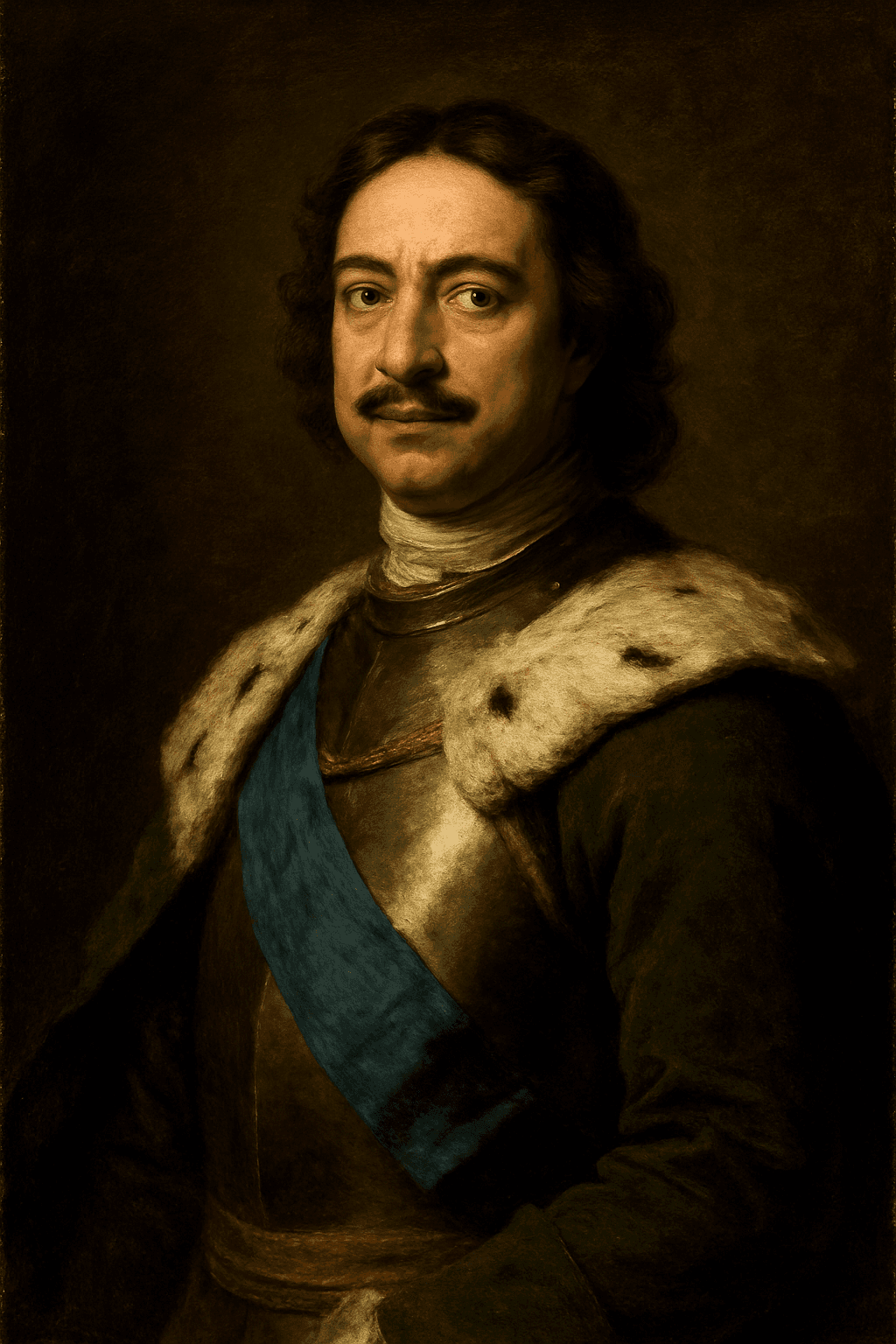
1724 - Saint Petersburg
Place story available
State-building, incompletion, and fury at relapse.
A tsar who dragged Russia into the modern world now watches lesser men prepare to undo everything.
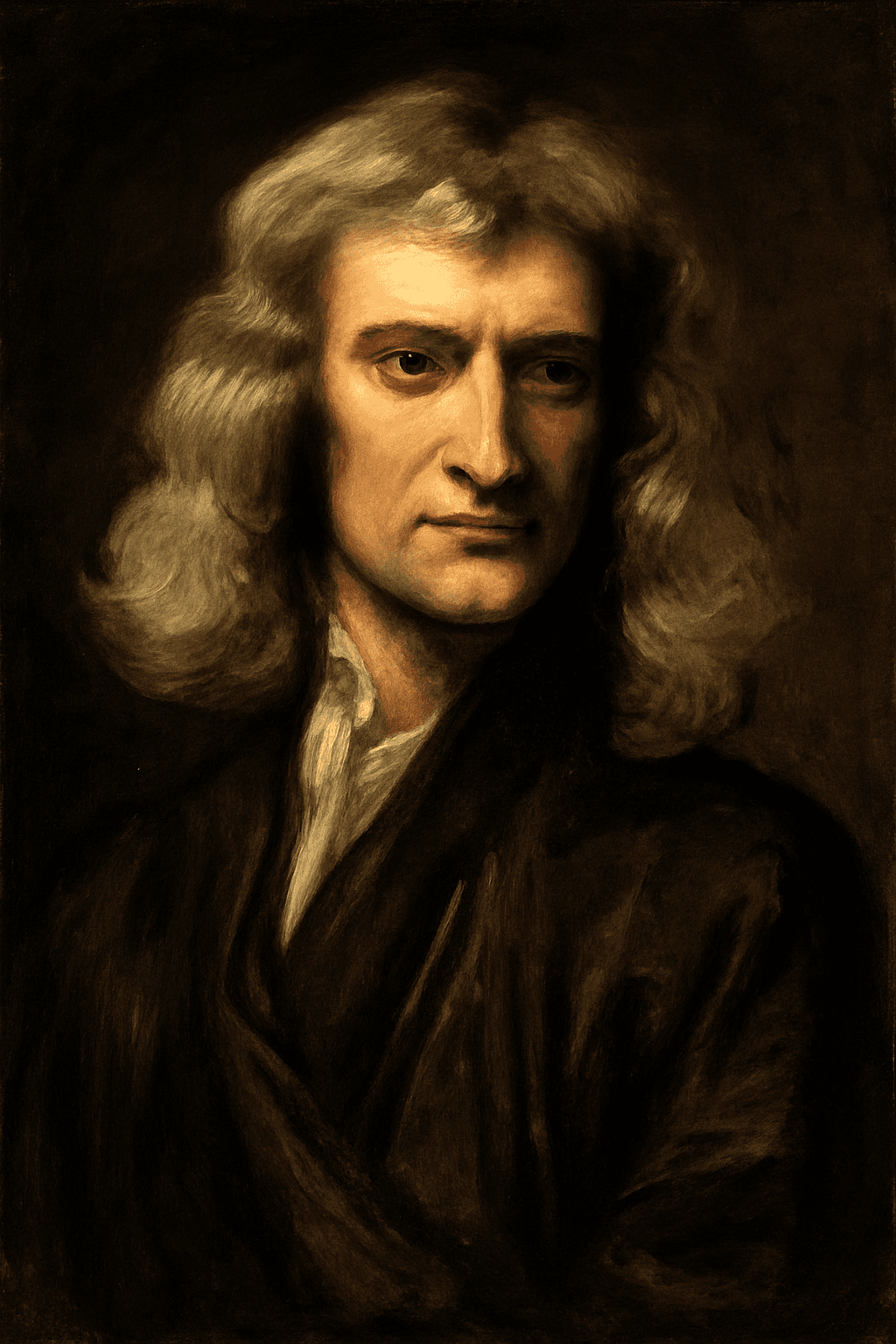
1726 - Kensington
In Kensington, feeling the stone return, the mind that defined the laws of the universe reflects on the feuds, the secrecy, and the cost.
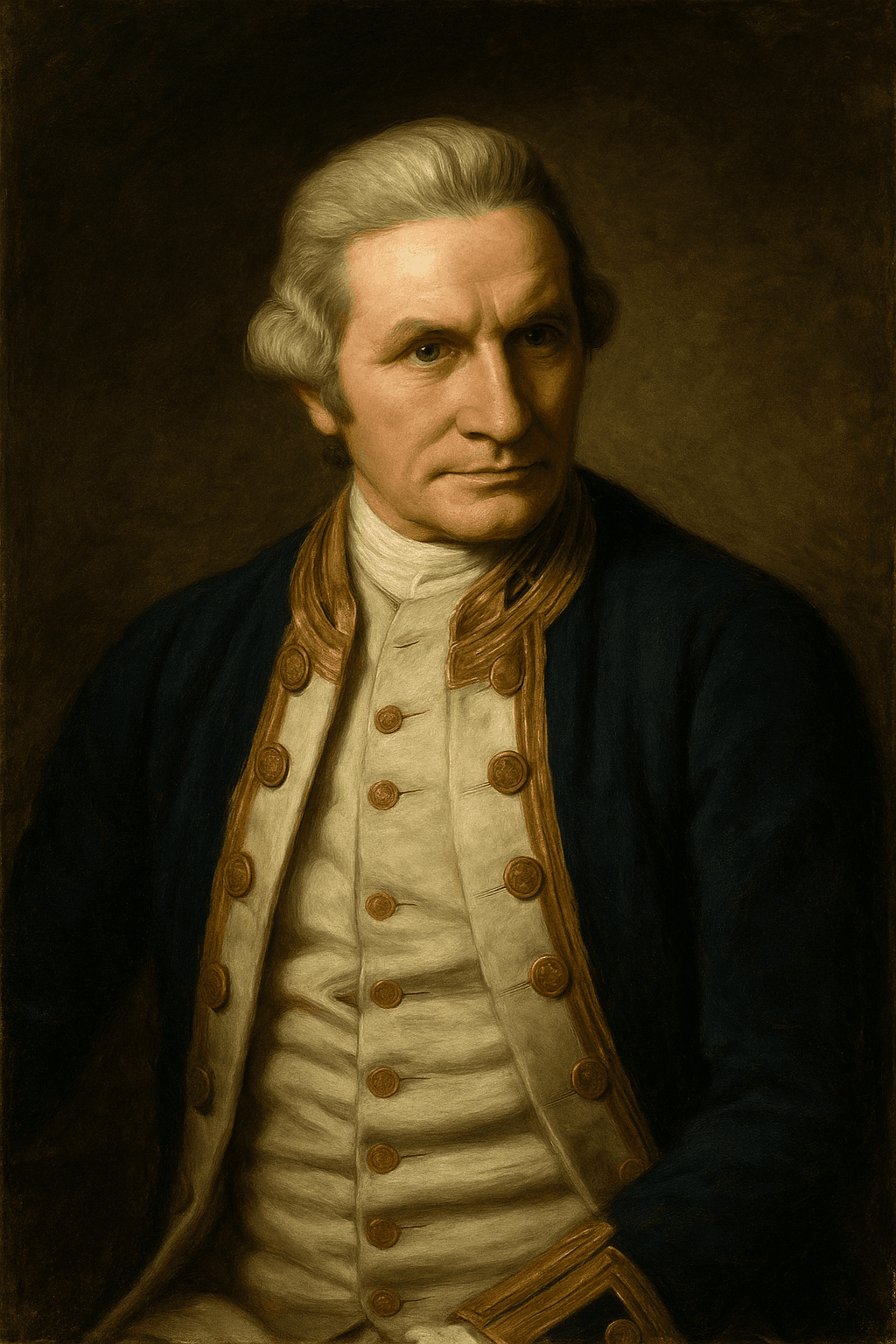
1779 - Kealakekua Bay
Place story available
At Kealakekua Bay, a navigator who mapped more of the world than any man alive sets down his account before the morning that will end everything.
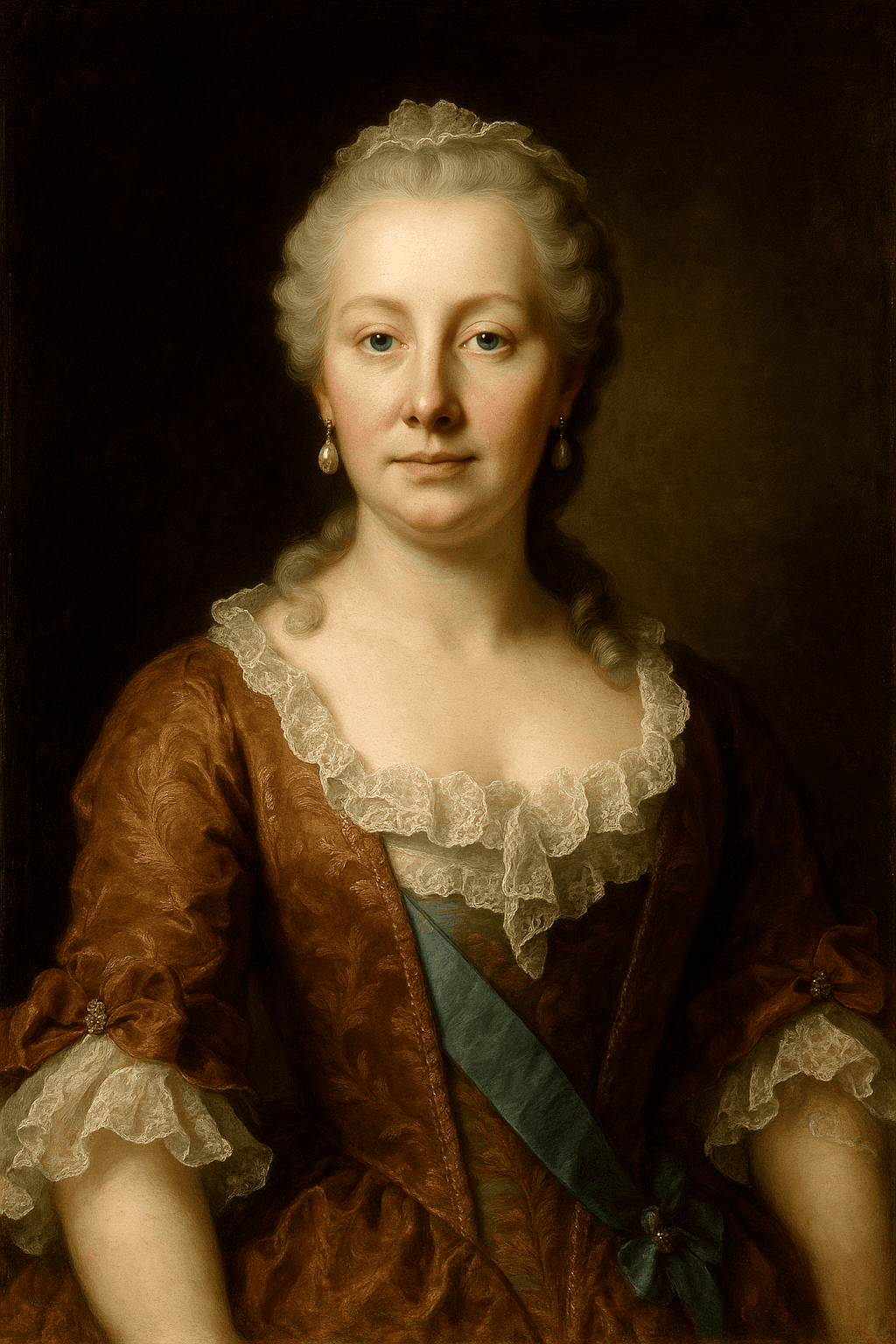
1780 - Vienna
Place story available
Maternal myth, bodily decline, and authority resisting sentimental reduction.
In Vienna, with her body failing, an empress who held together an empire through sixteen pregnancies reflects on the cost.
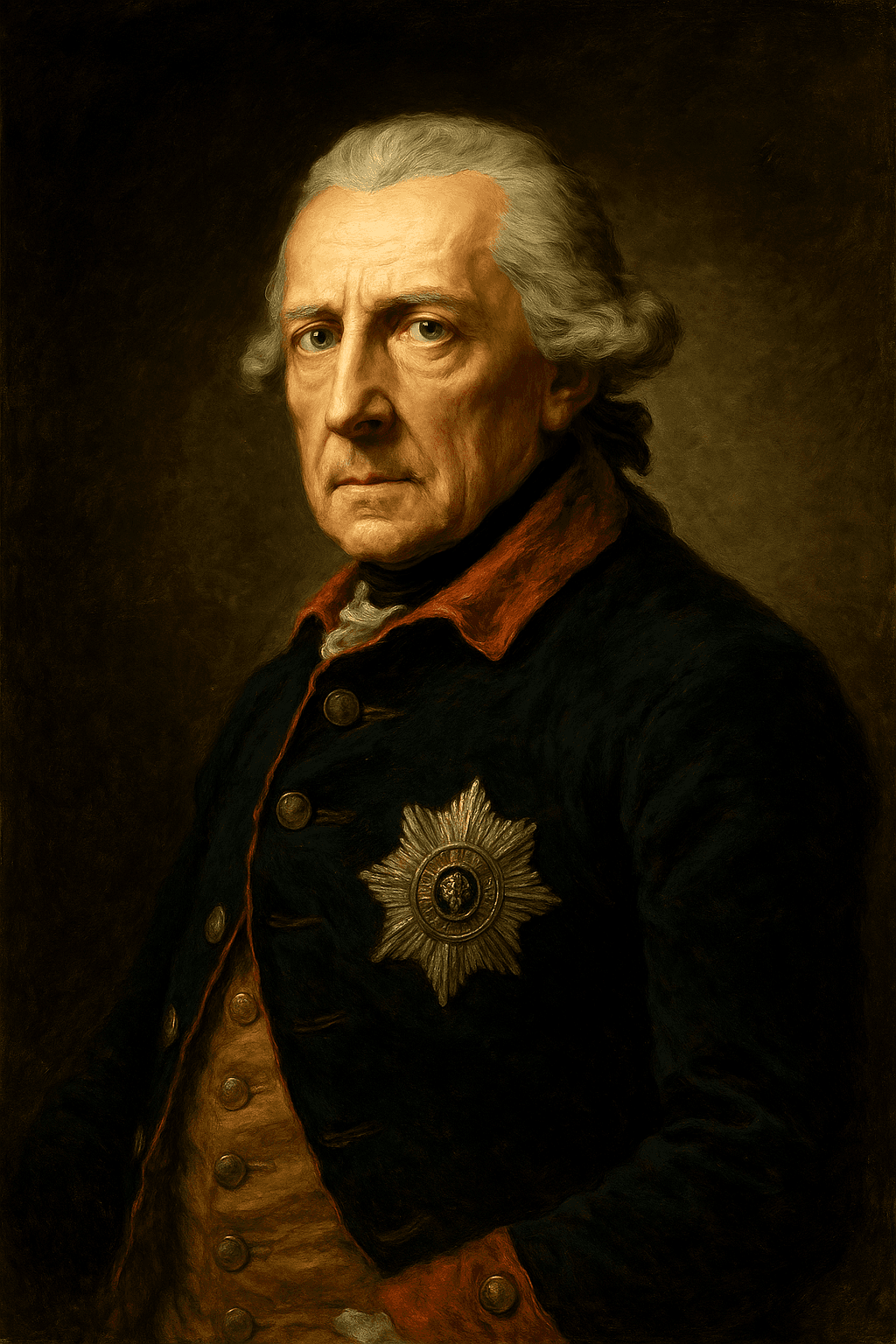
1785 - Sanssouci
Place story available
Intellectual pride, bodily siege, and legend resisting simplification.
At Sanssouci, in his last year of clarity, a warrior-king reflects on what Prussia cost him and what it will become without him.
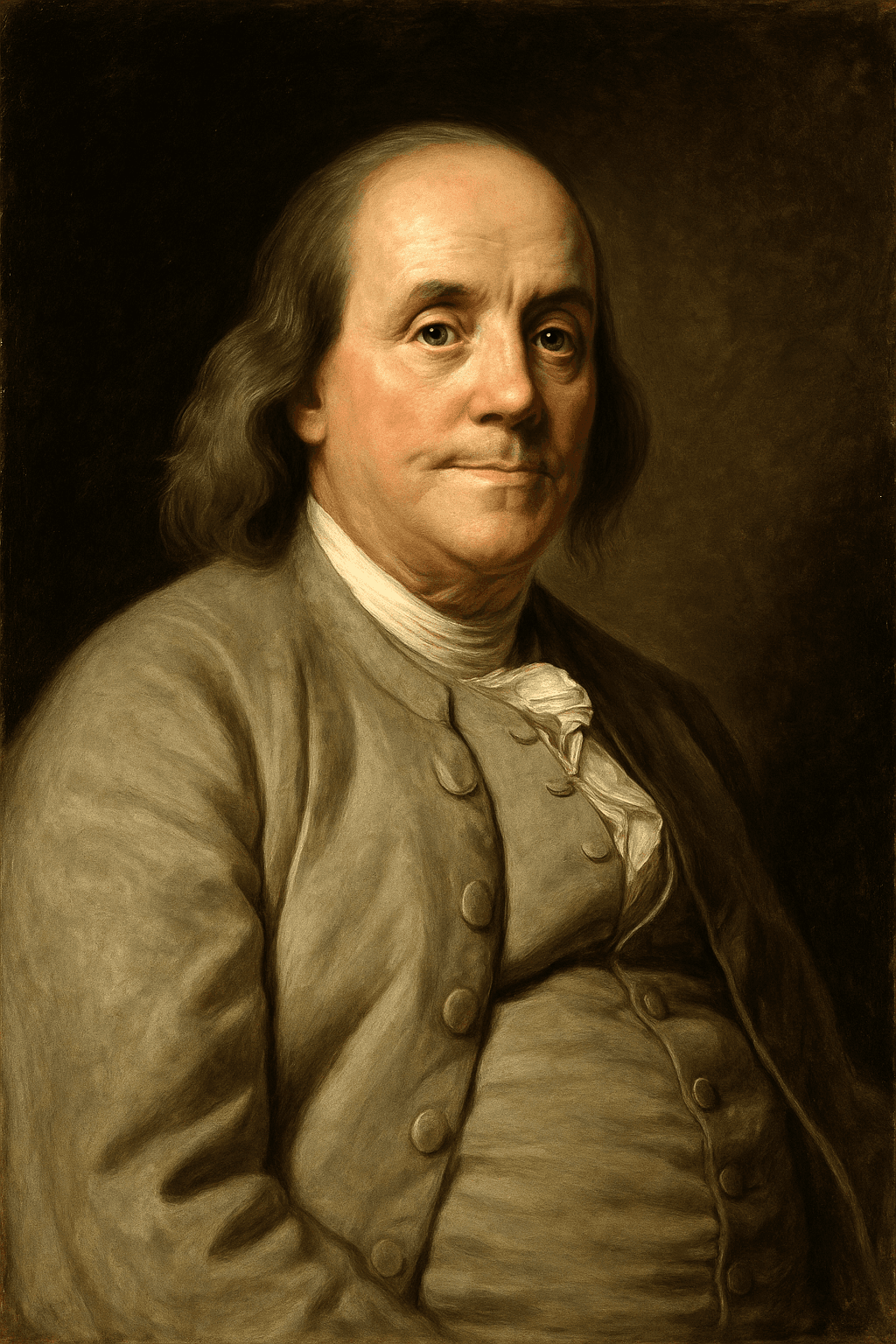
1790 - Philadelphia
Place story available
Usefulness, public myth, old age, and the accounting of self.
In Philadelphia, the most practical man of the Revolution reflects on what independence actually required — and what it didn't.
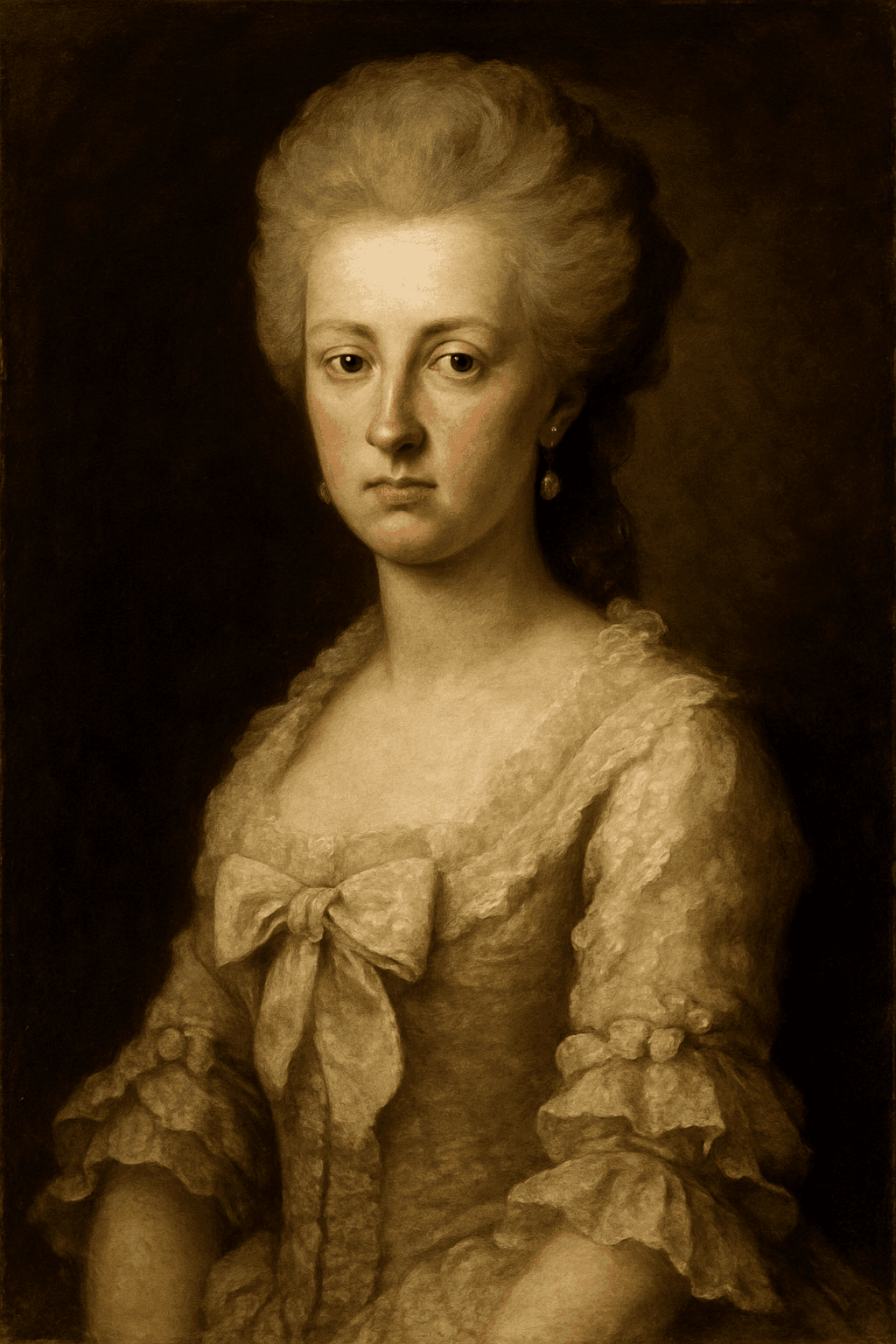
1793 - Conciergerie, Paris
Place story available
Scapegoating, mythmaking, and a queen resisting reduction to symbol.
Waiting for the blade in the Conciergerie, a queen dismantles the lie that she was ever in control.
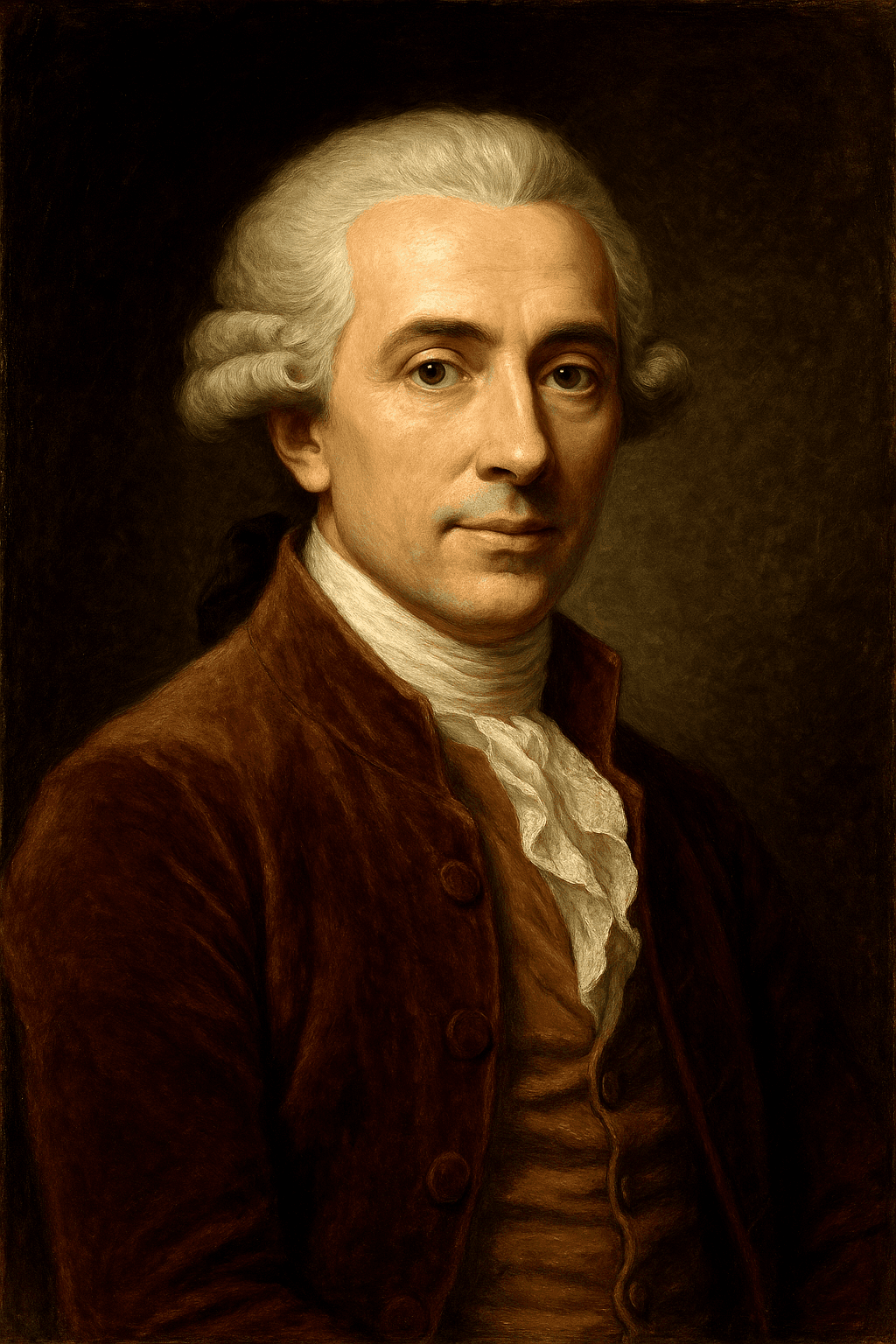
1794 - Luxembourg Prison, Paris
Place story available
Under guard in the Luxembourg Prison, a chemist who transformed science waits to learn whether the Revolution will let him live.
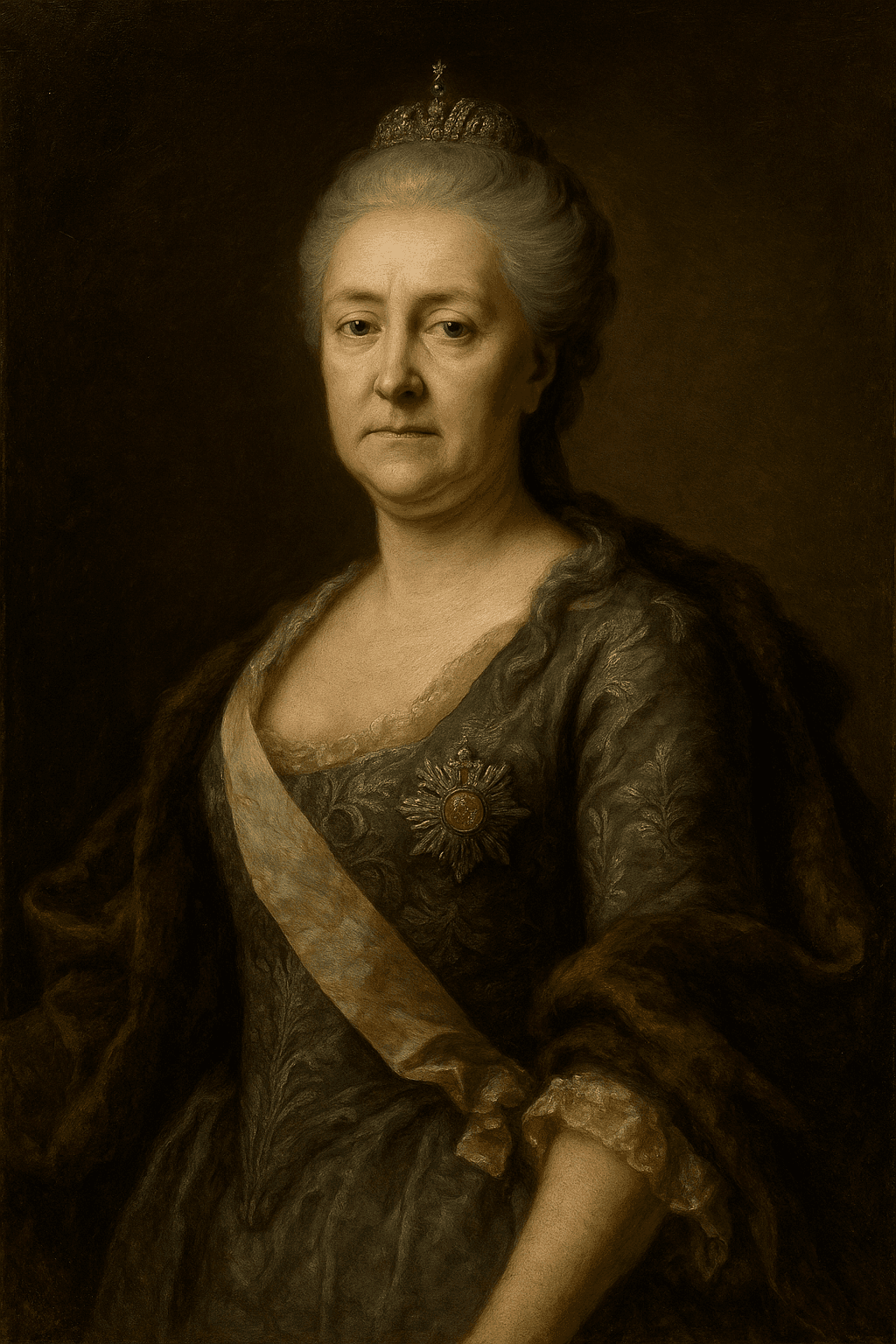
1796 - Tsarskoye Selo
Place story available
Succession paranoia, political memory, and power defended through paperwork.
With succession turning every drawer into a point of danger, an empress writes what her court was built to conceal.
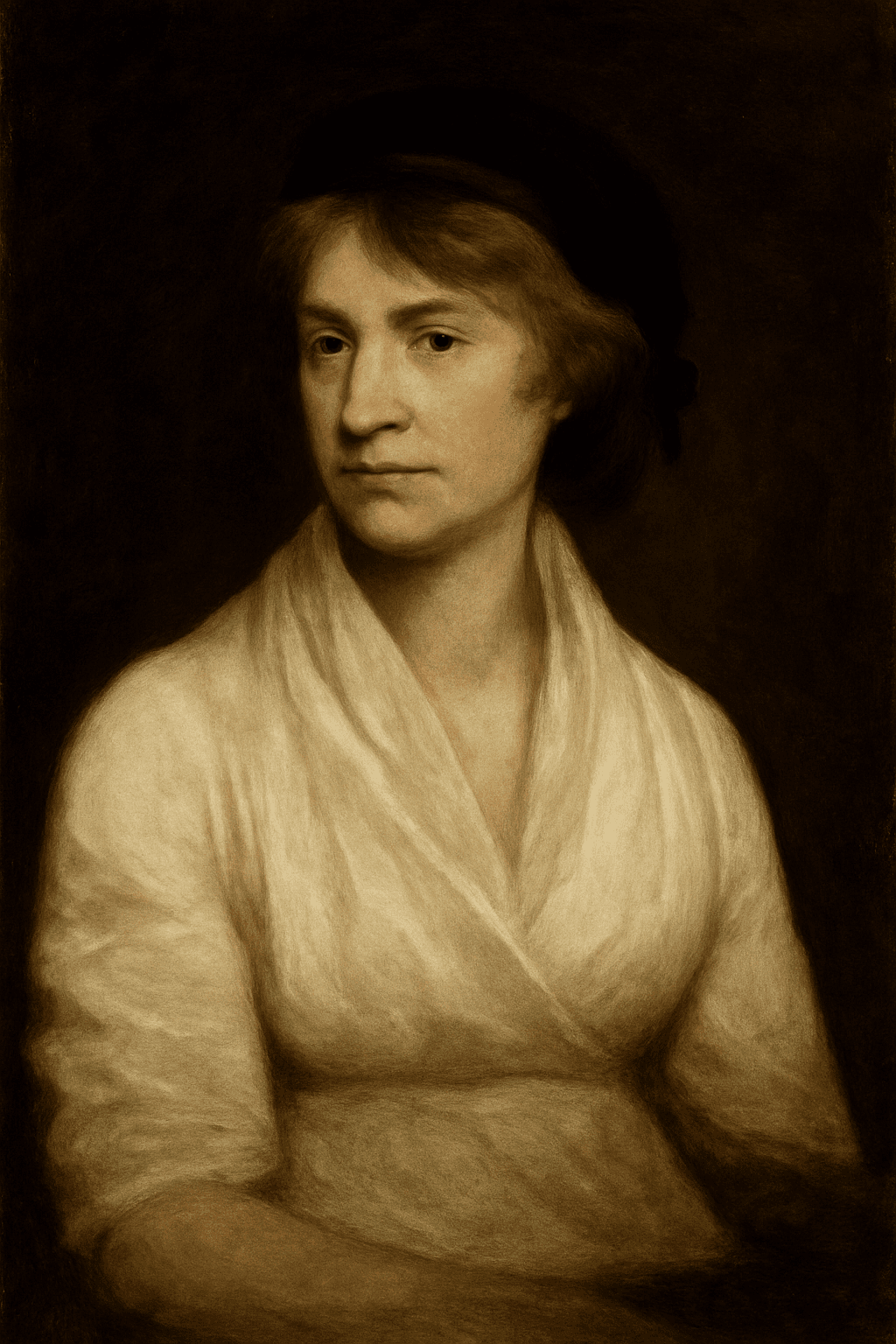
1797 - London
Place story available
Weak from childbirth and aware the fever is winning, the author of the first argument for women's rights writes her last account.
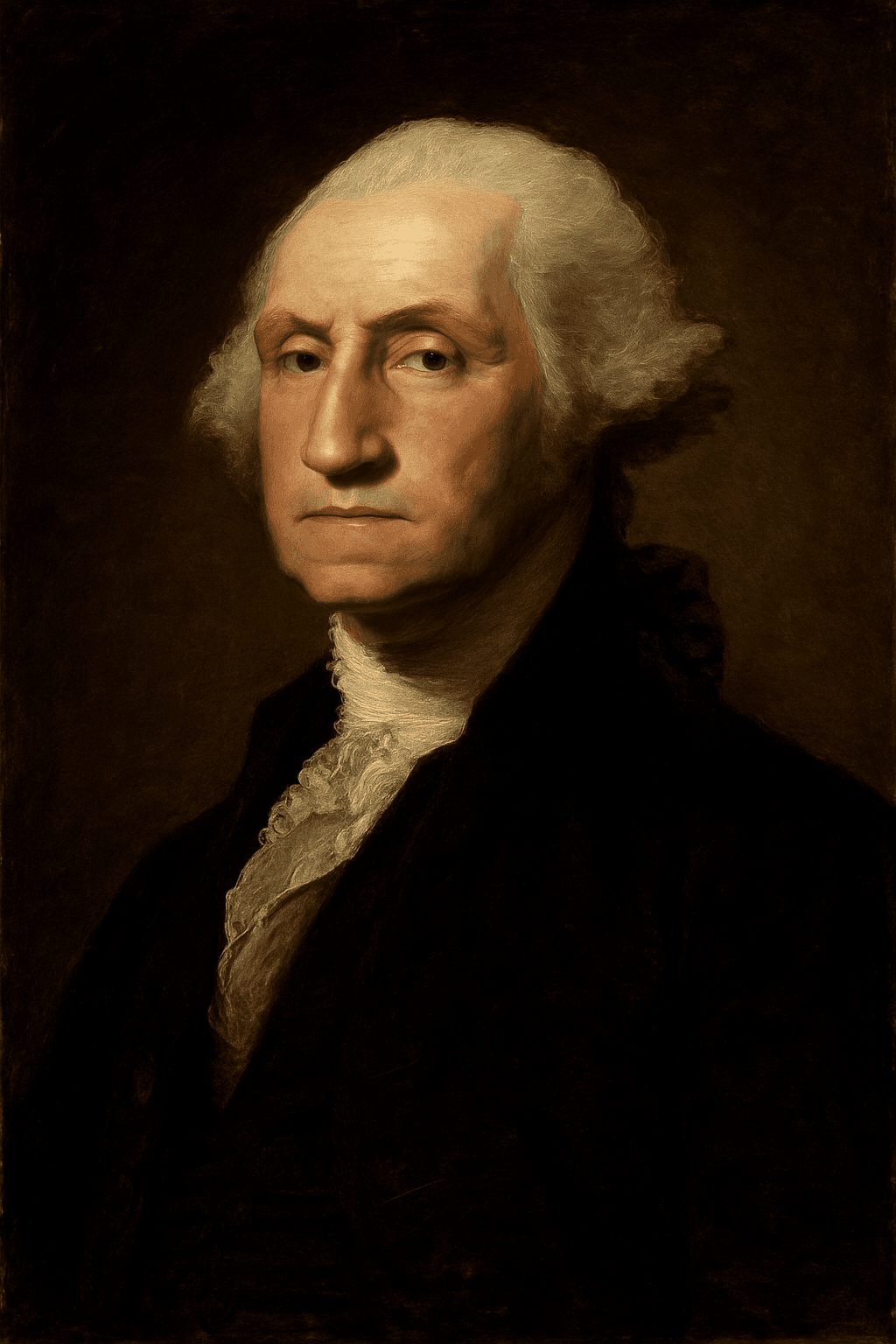
1799 - Mount Vernon
Place story available
Retirement, republican virtue, and the afterlife of command.
In his last year at Mount Vernon, the father of a nation admits what the republic asked of him — and what it took.
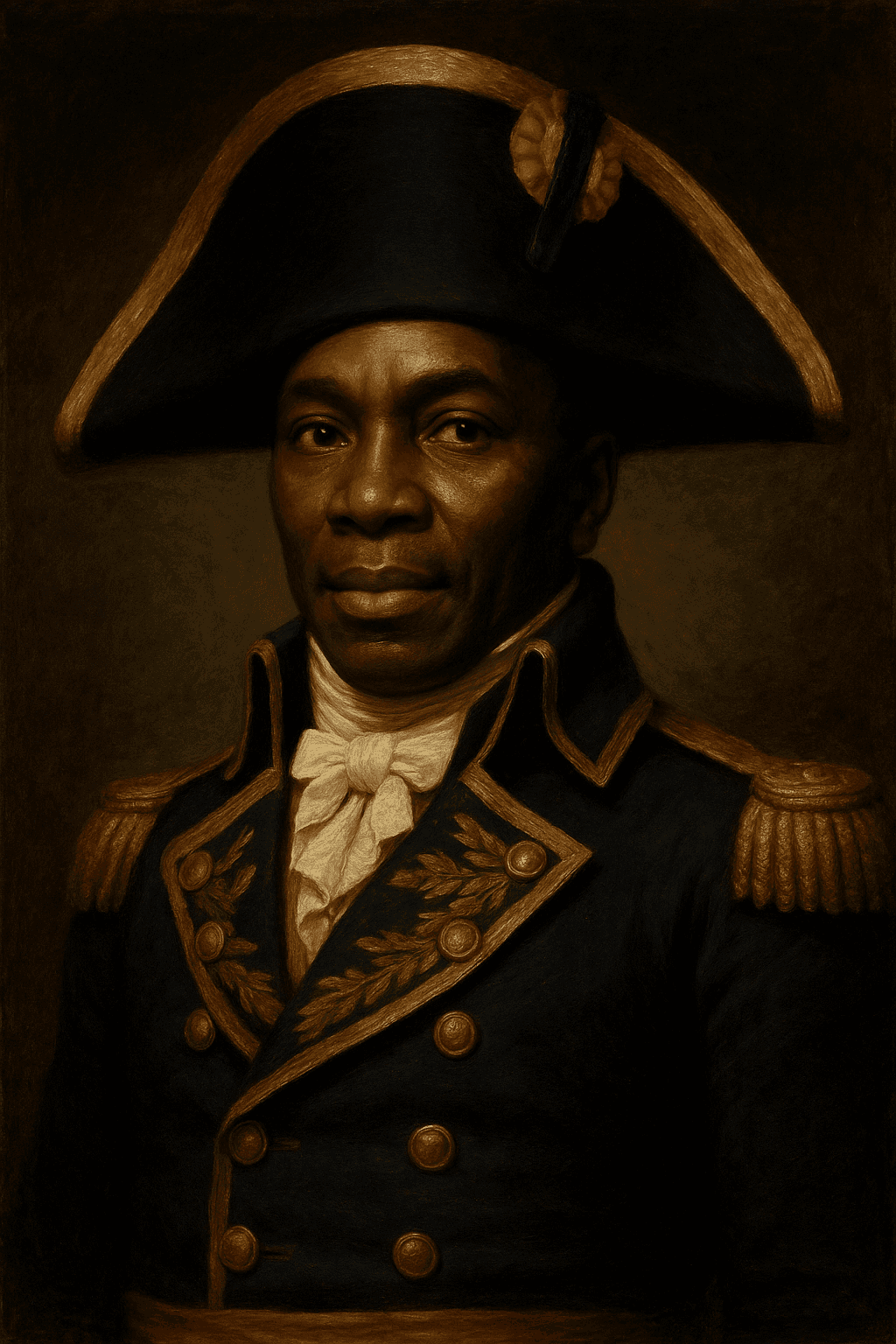
1802 - Fort de Joux
Place story available
Under guard in the cold stone of Fort de Joux, the man who led the only successful slave revolution in history writes what Napoleon's prison was designed to erase.
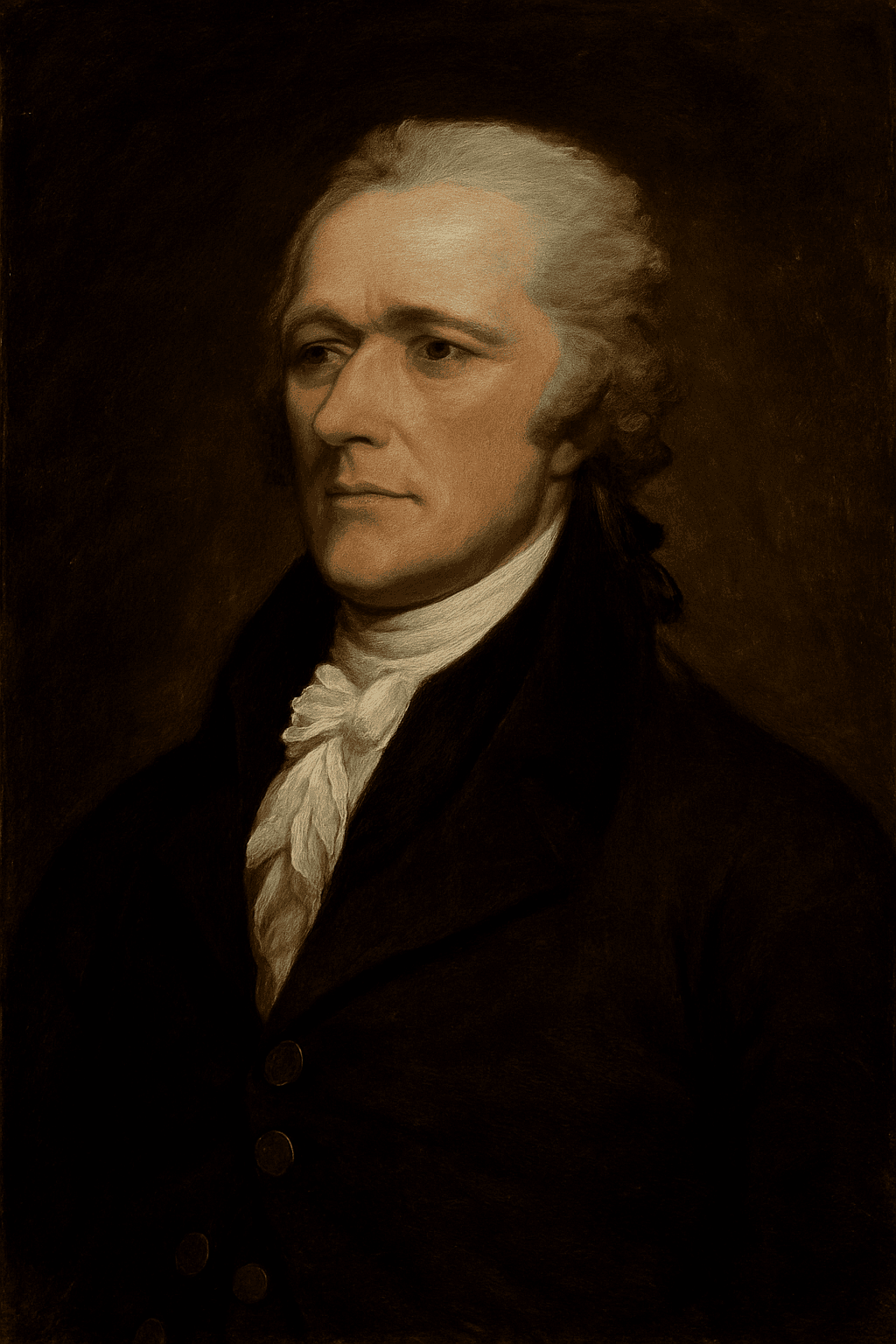
1804 - New York
Place story available
In the summer before the duel, the architect of American finance sets down what the republic he built will never credit him for.
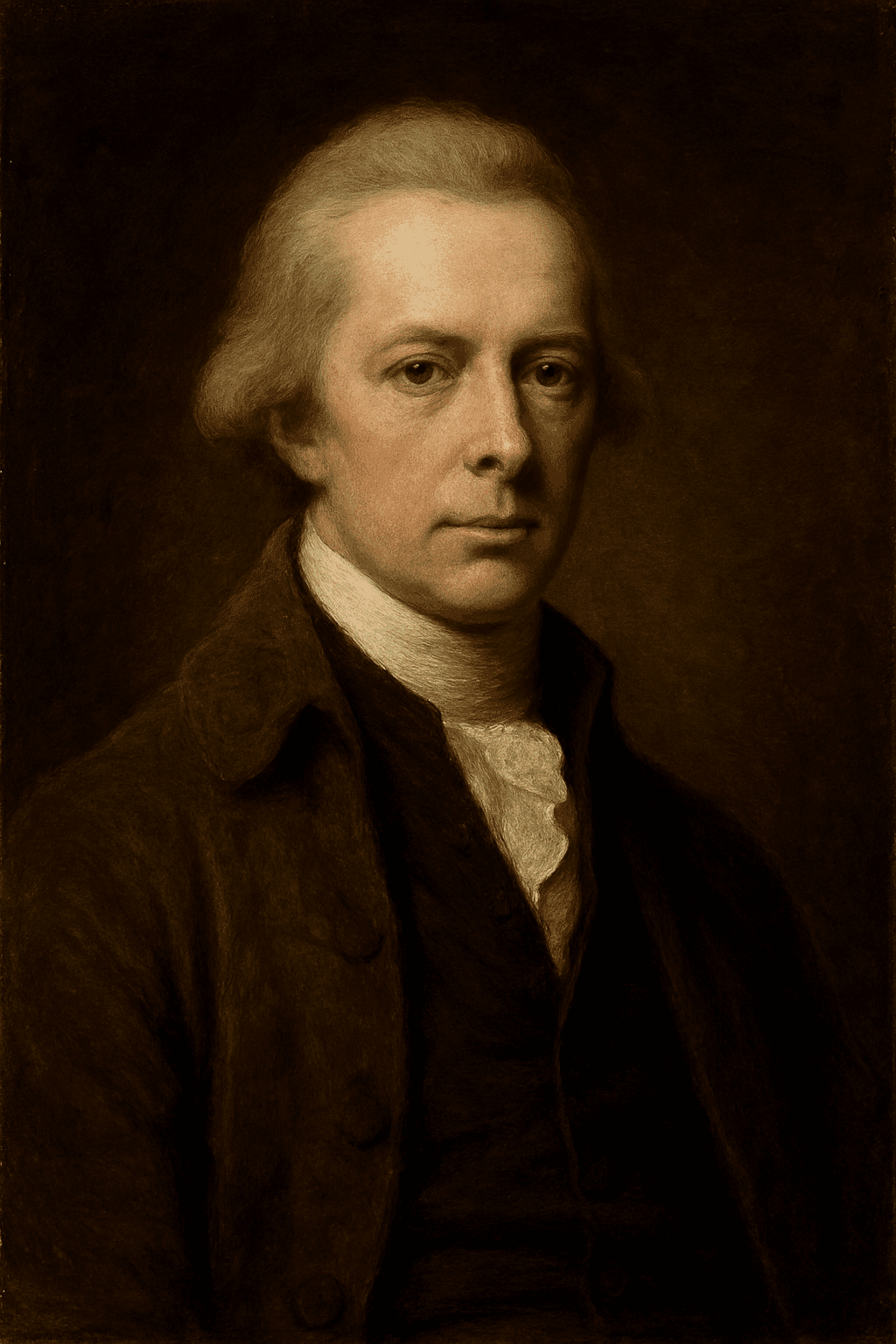
1805 - London
Place story available
With his body failing faster than his office, Britain's youngest prime minister reflects on the weight of leading a nation at war.
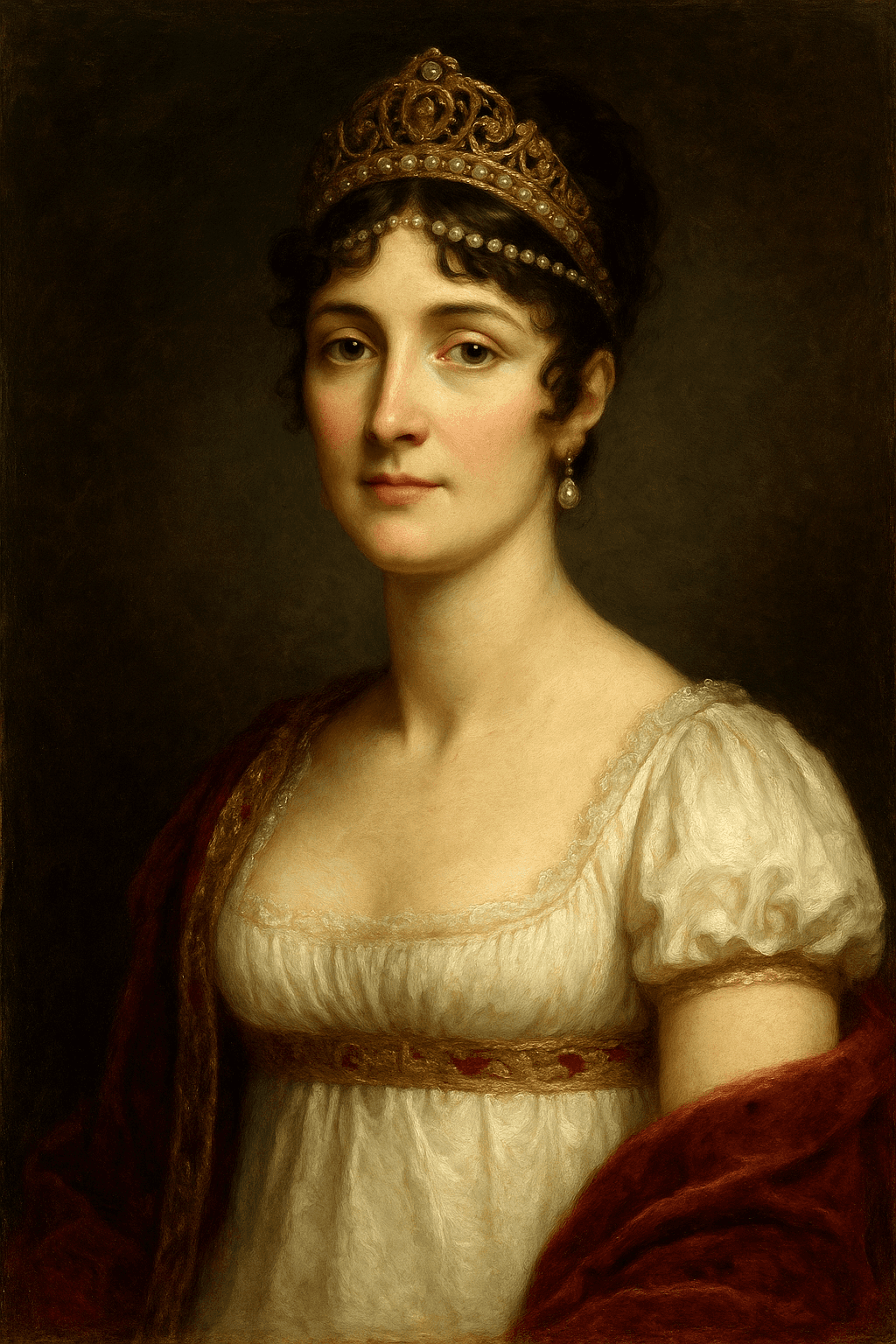
1814 - Malmaison
Place story available
Displacement, memory, and a life being arranged for other people's comfort.
At Malmaison, with Europe rearranging itself, an empress who was discarded sets down what Napoleon never acknowledged.
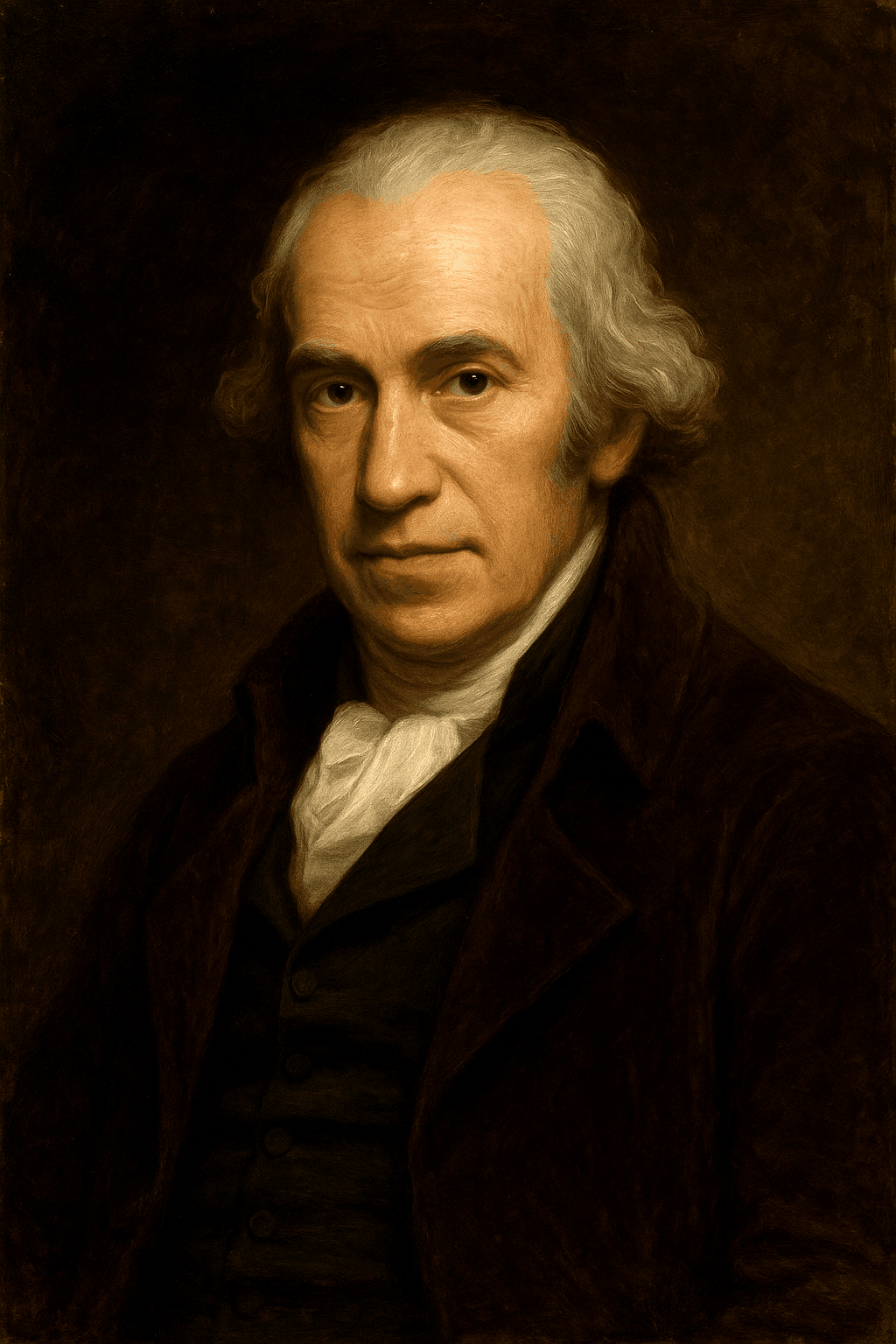
1819 - Heathfield Hall, Handsworth
With his hands no longer steady enough for a compass, the engineer whose steam engine powered the Industrial Revolution sets down what the machines concealed.
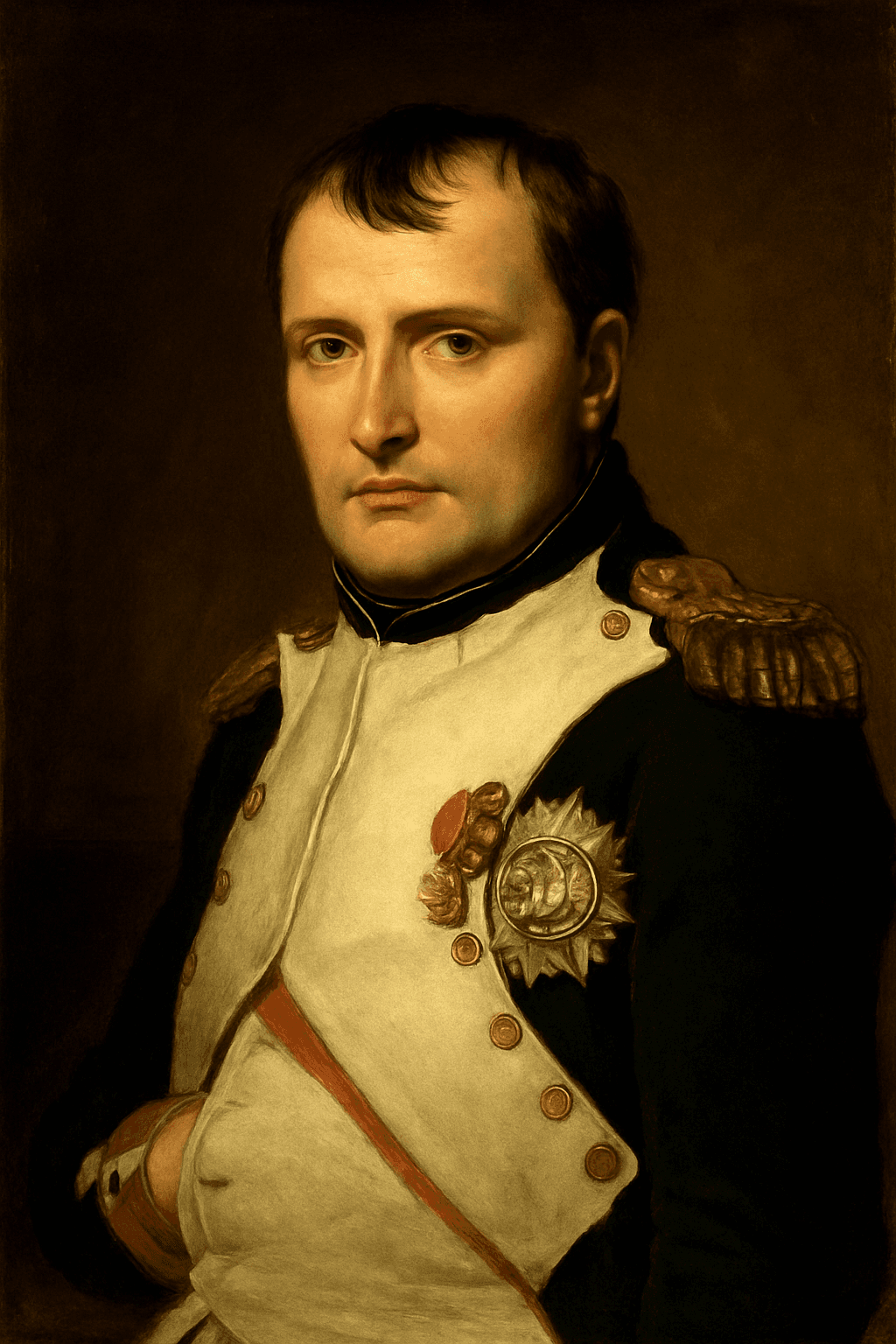
1820 - Longwood House, Saint Helena
Place story available
Exile, legacy control, and command surviving defeat.
Exiled to a rock in the Atlantic, a fallen emperor dictates the version of events his enemies will never be able to answer.
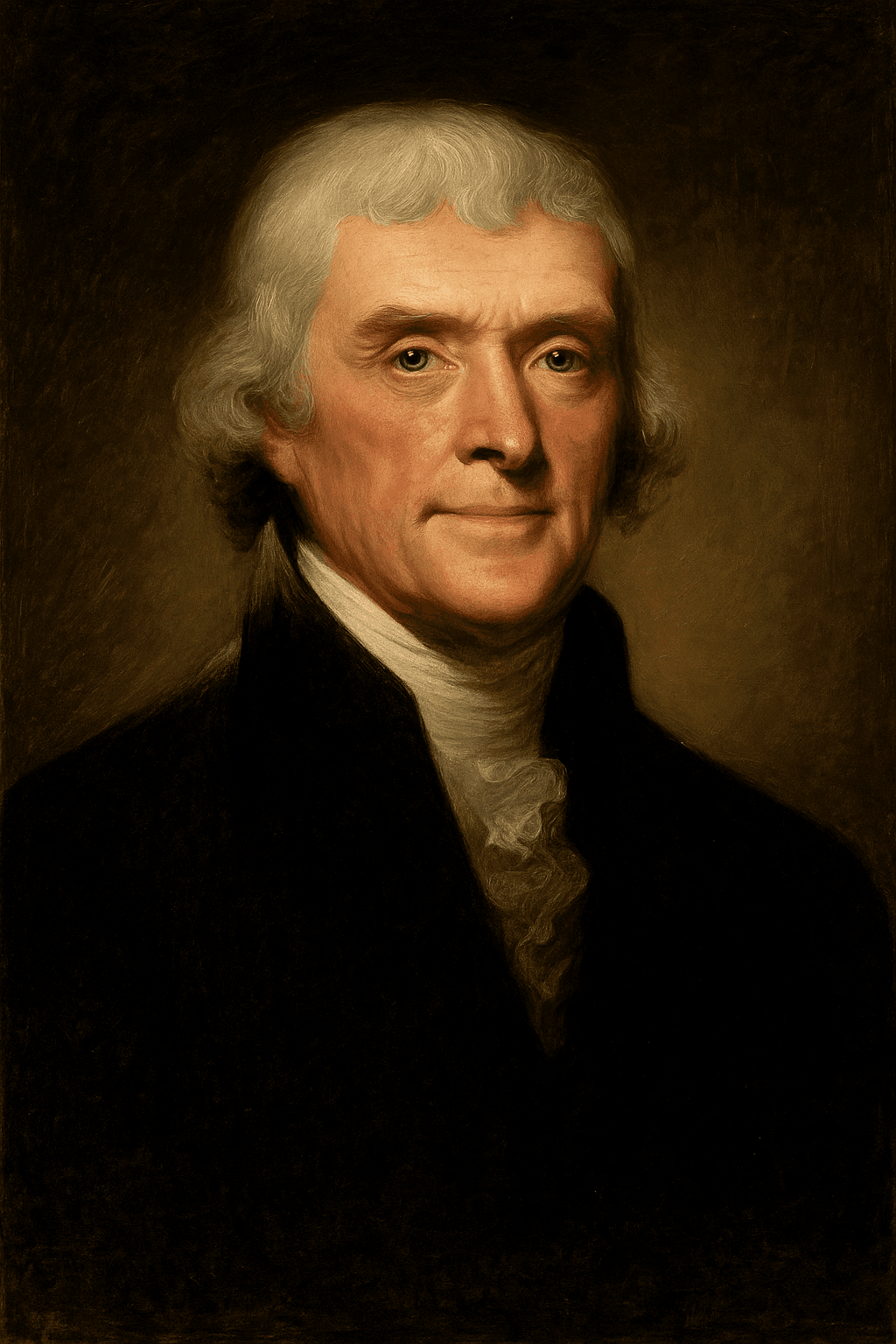
1825 - Monticello
Place story available
Reputation, contradiction, debt, and the politics of being made quotable.
At Monticello, an architect of liberty confronts the contradictions he built into the foundations of a nation.
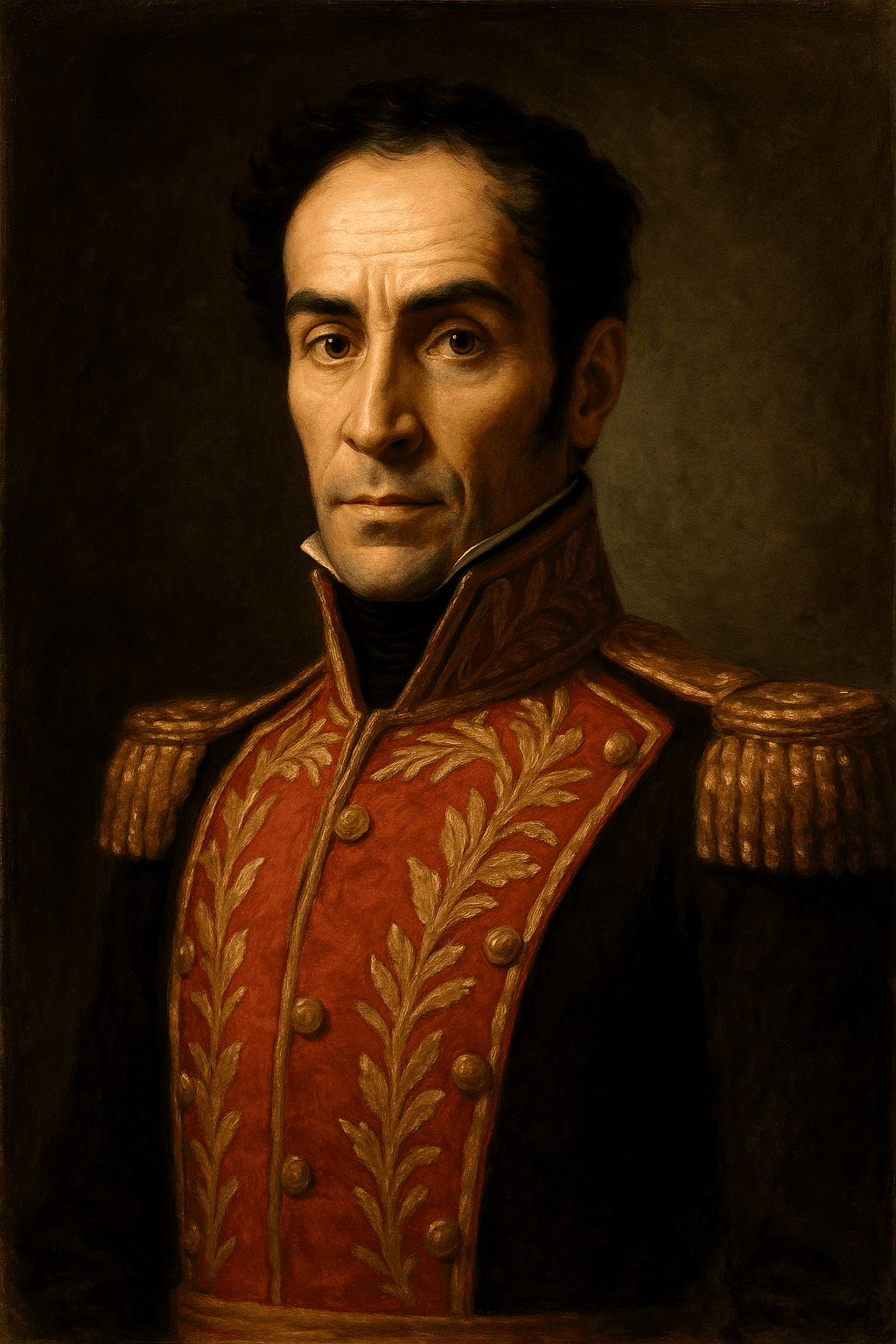
1830 - Santa Marta
Place story available
With the sea air of Santa Marta failing to do what battle and revolution could not, the liberator of five nations confronts the continent he freed and the chaos it became.
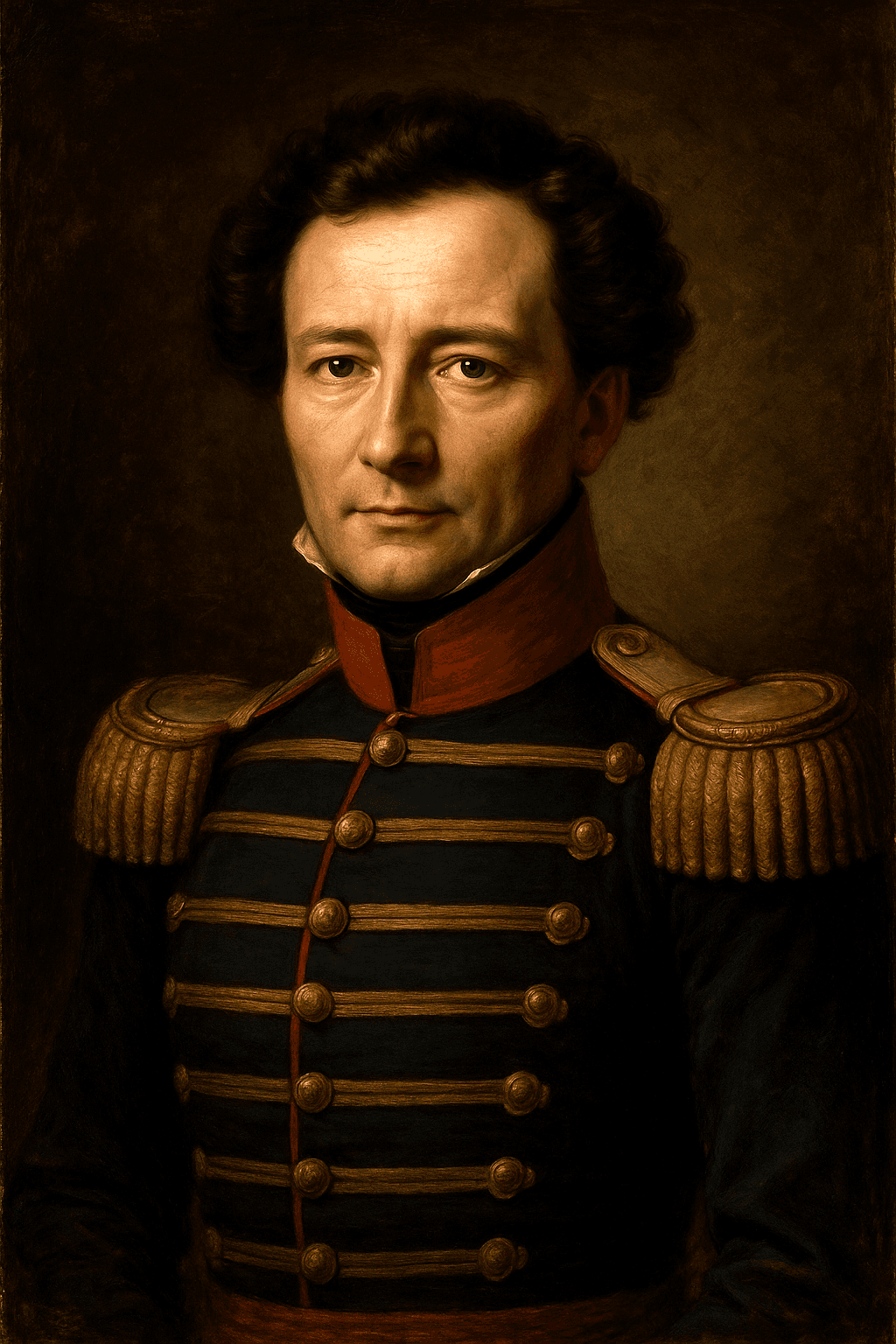
1831 - Breslau
Place story available
In Breslau, with sickness in the stairwell, the theorist of war reflects on the distance between what battle teaches and what nations choose to learn.
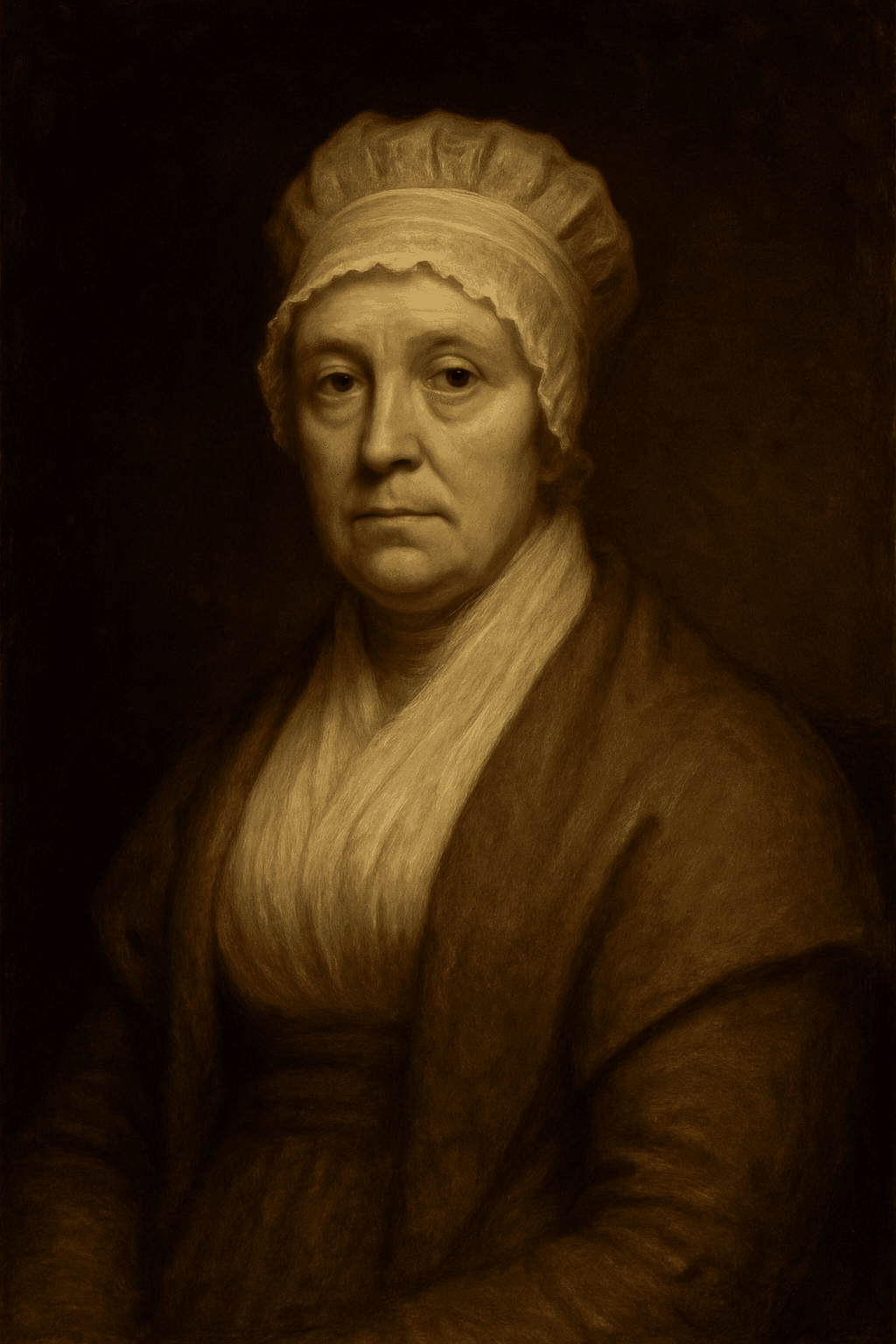
1844 - Ramsgate
At Ramsgate, where the sea presses against the walls, a prison reformer writes what the committees and charities never saw.
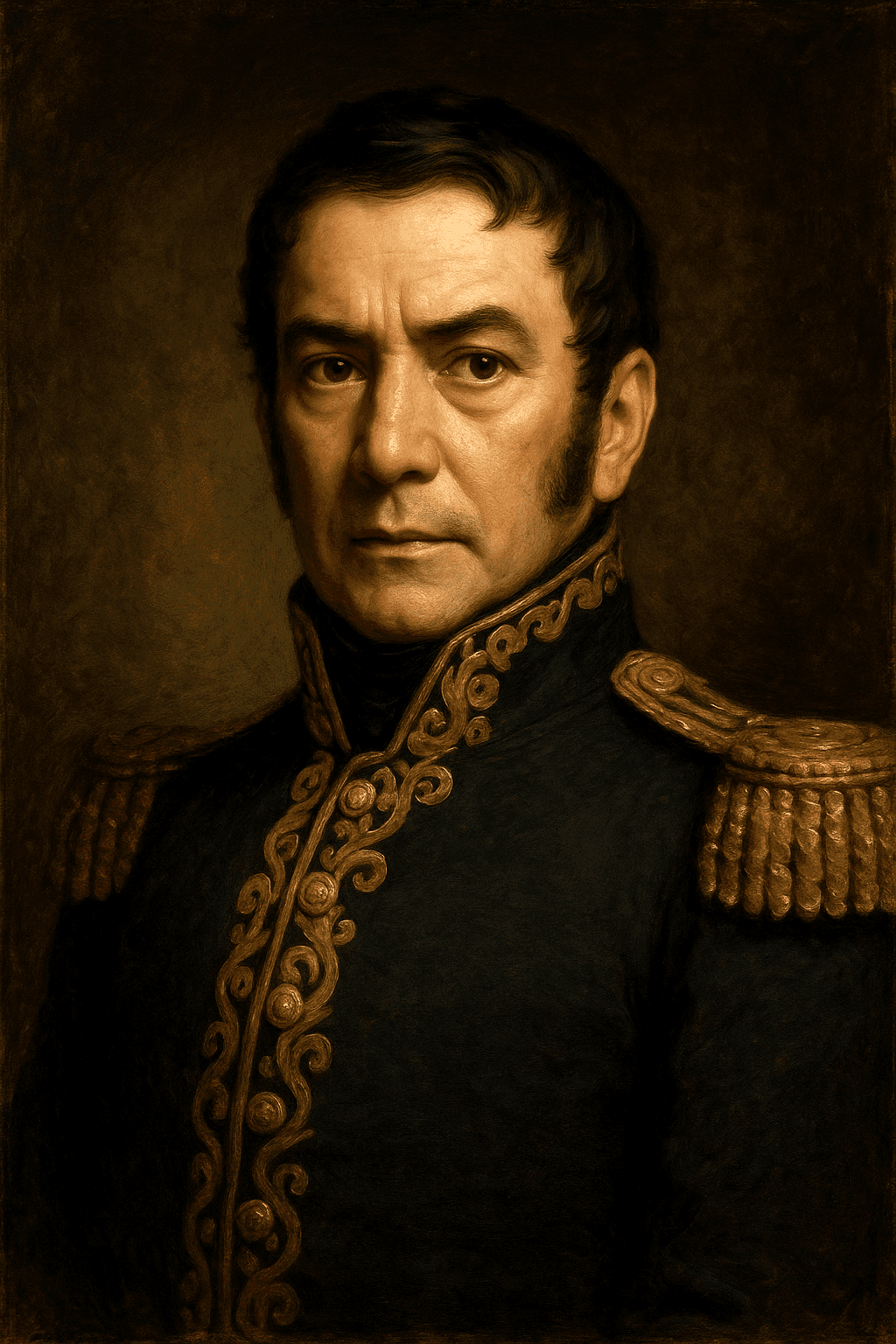
1849 - Boulogne-sur-Mer, France
Place story available
In Boulogne-sur-Mer, with the sea air in his lungs and the continent he liberated behind him, a general who chose exile over power reflects on what independence actually meant.
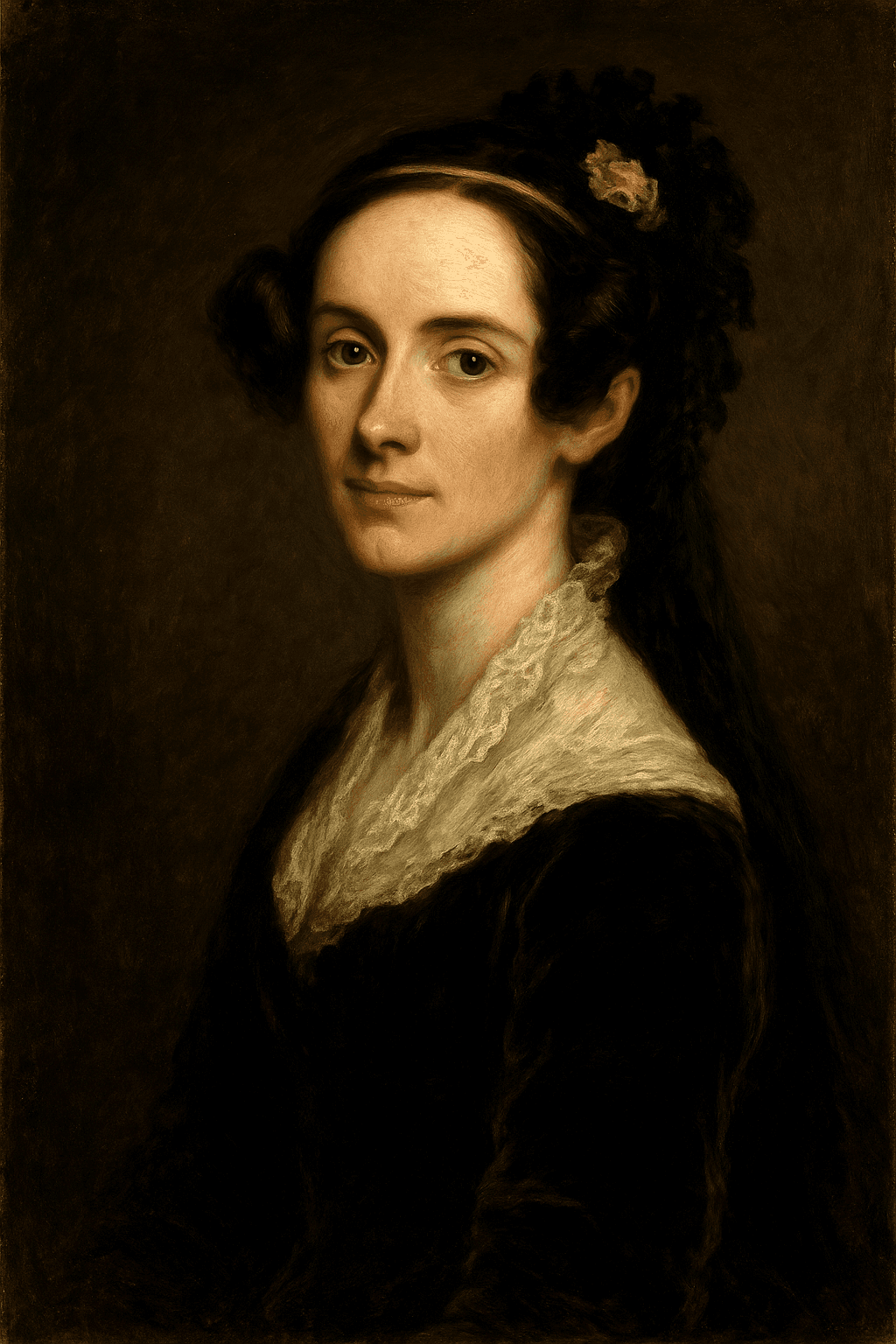
1852 - London
Place story available
In London, with her body failing, the woman who saw the potential of computing before anyone else sets down what the numbers meant.
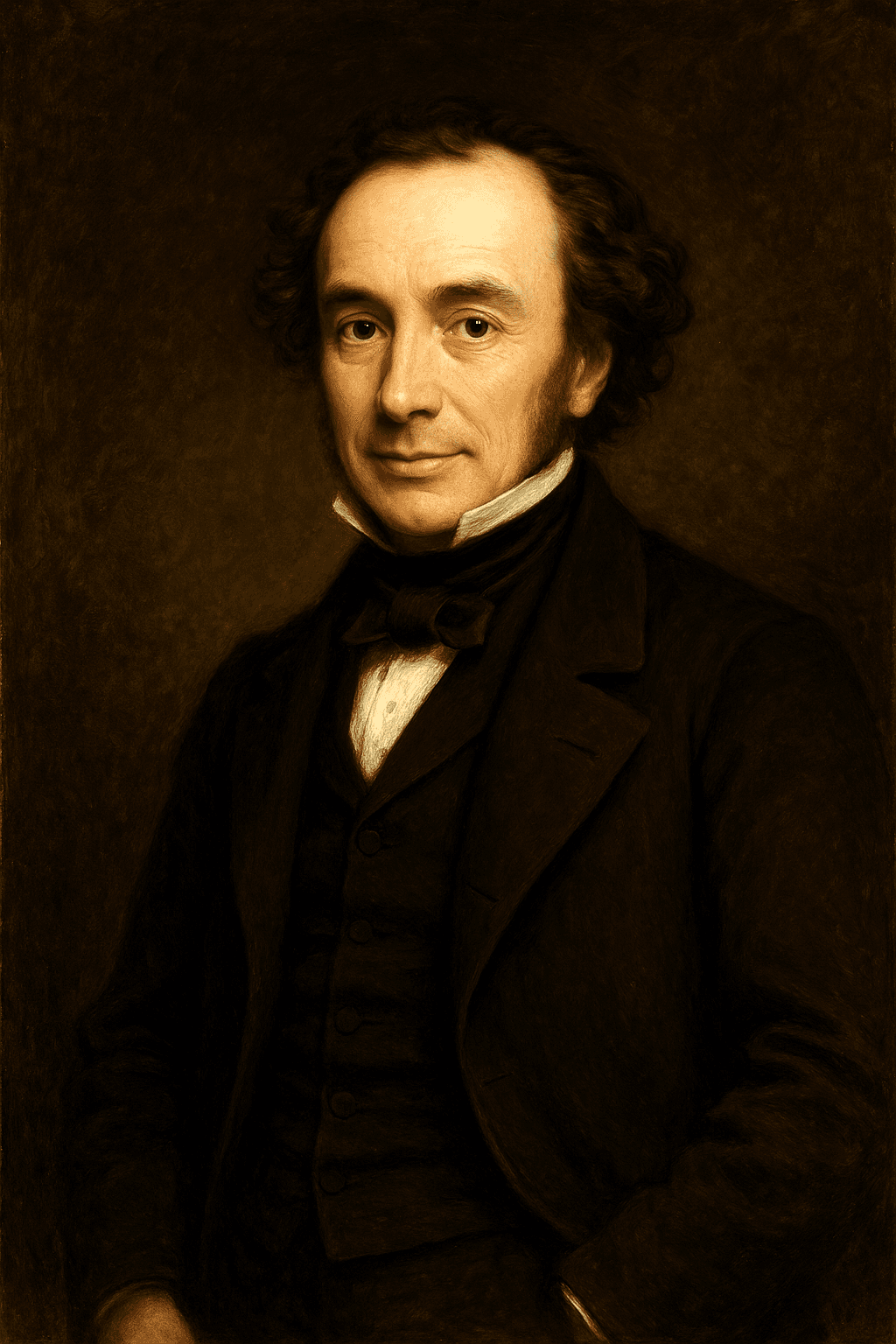
1859 - Duke Street, Westminster
With paralysis still lodged in his right side and the Great Eastern listing somewhere he cannot reach, the engineer who thought bigger than anyone reflects on the cost.
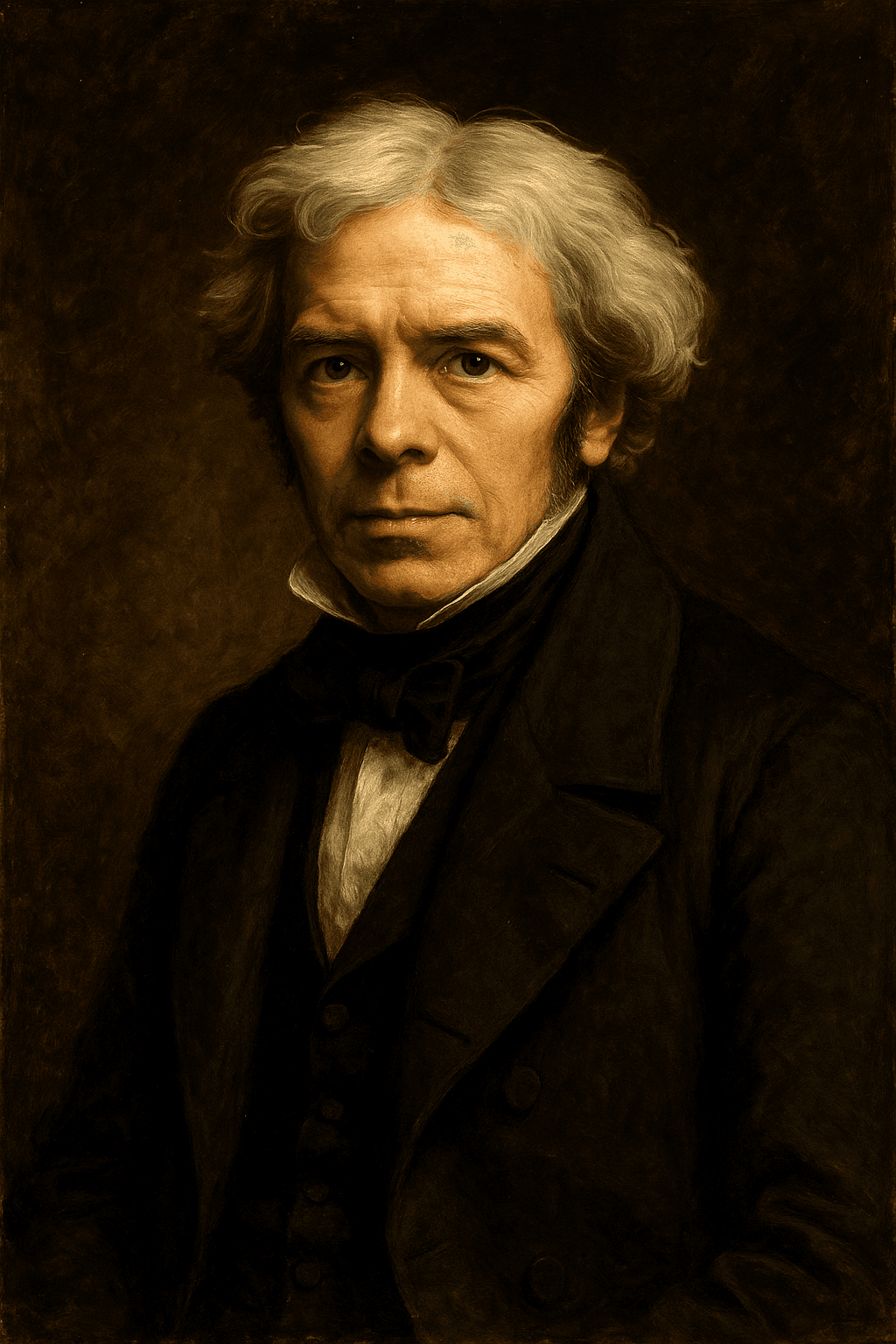
1862 - Hampton Court
With his memory fraying while institutions claim his work, the man who discovered electromagnetism sets down what the science actually felt like.
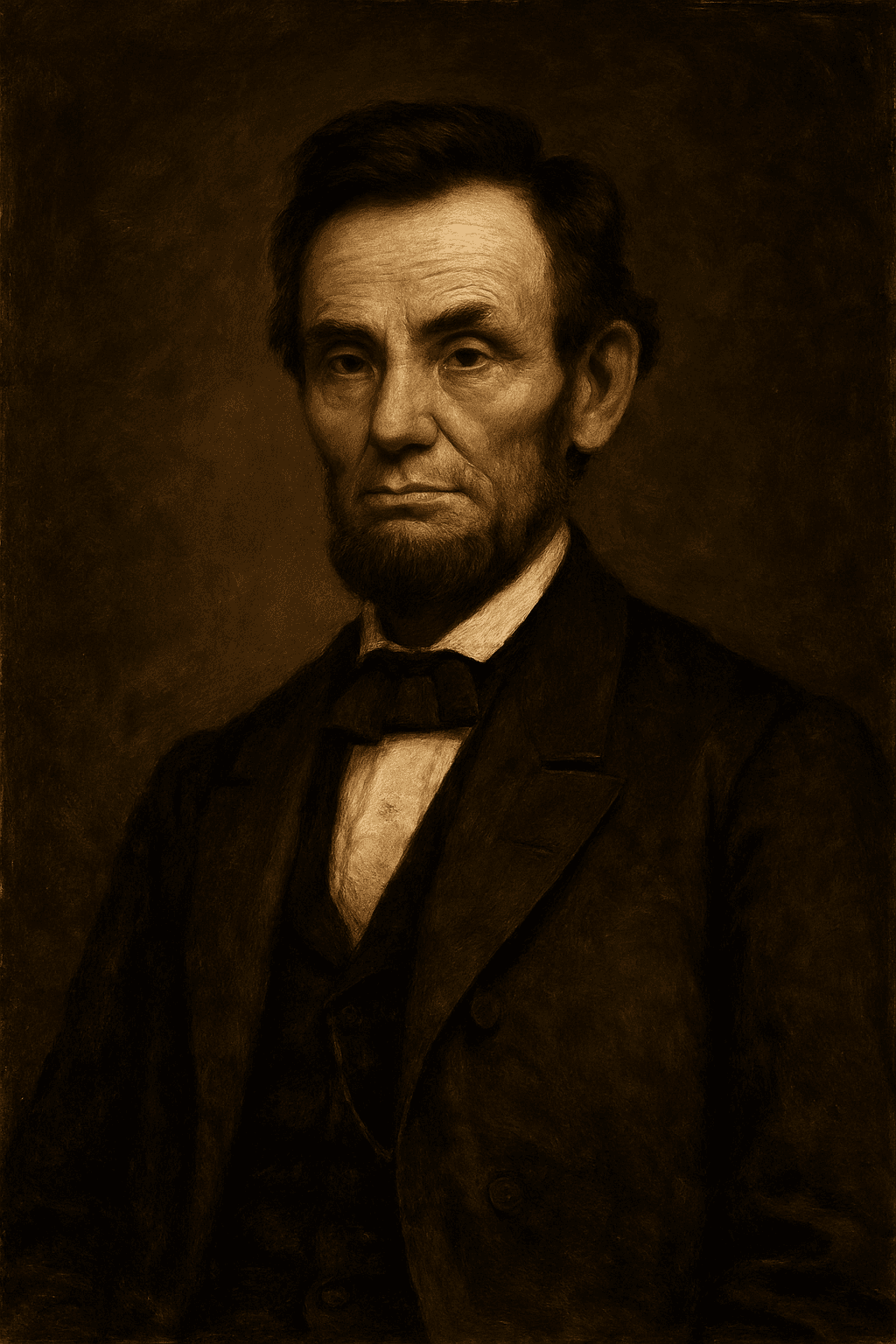
1865 - White House, Washington
Place story available
Victory, reconstruction, and the unfinished cost of union.
In the final winter of the Civil War, a president confronts the distance between saving the Union and saving himself.
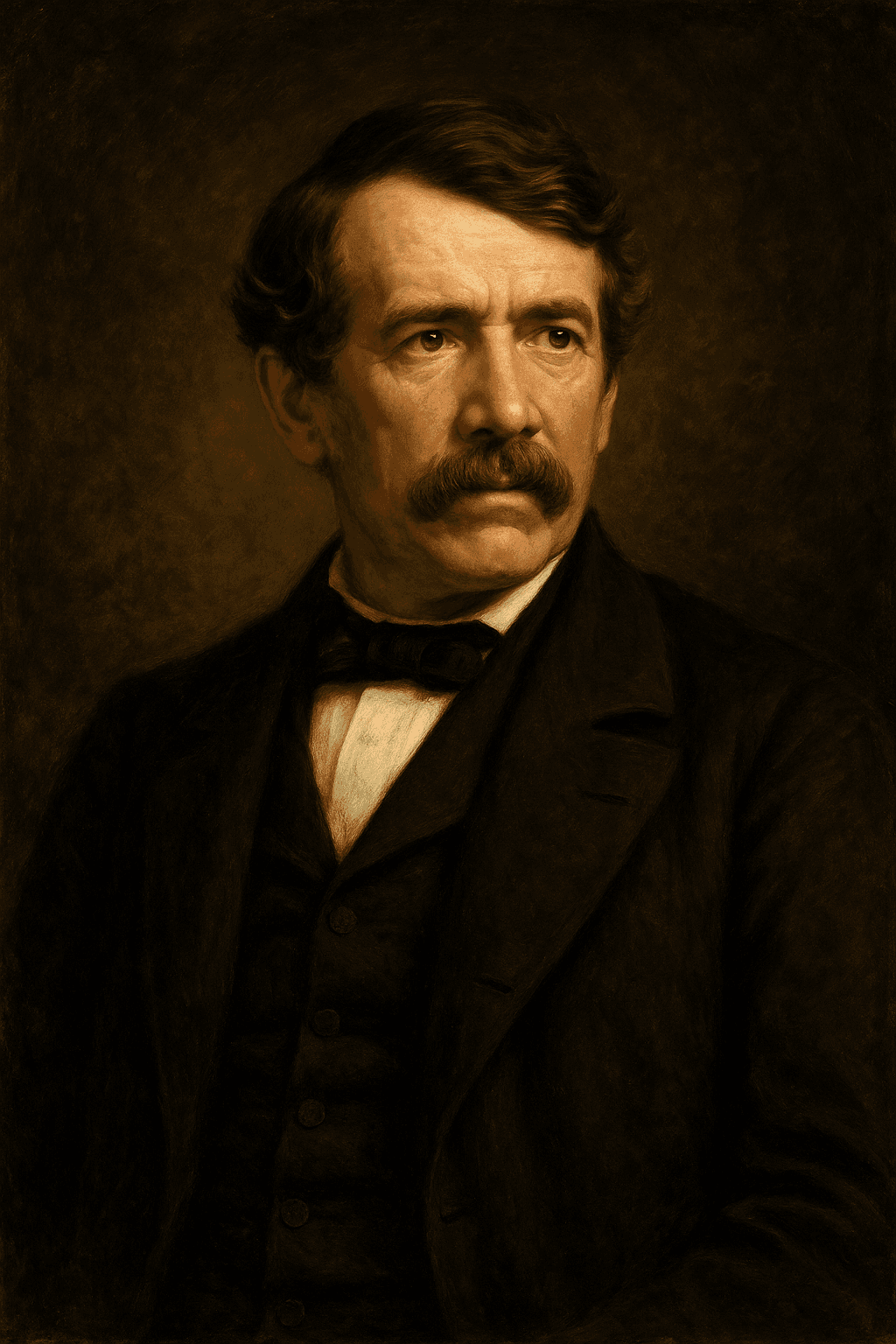
1872 - Between Unyanyembe and Bangweulu
Place story available
On the inland road between Unyanyembe and Bangweulu, the missionary who opened central Africa to the world writes what the continent taught him about faith.
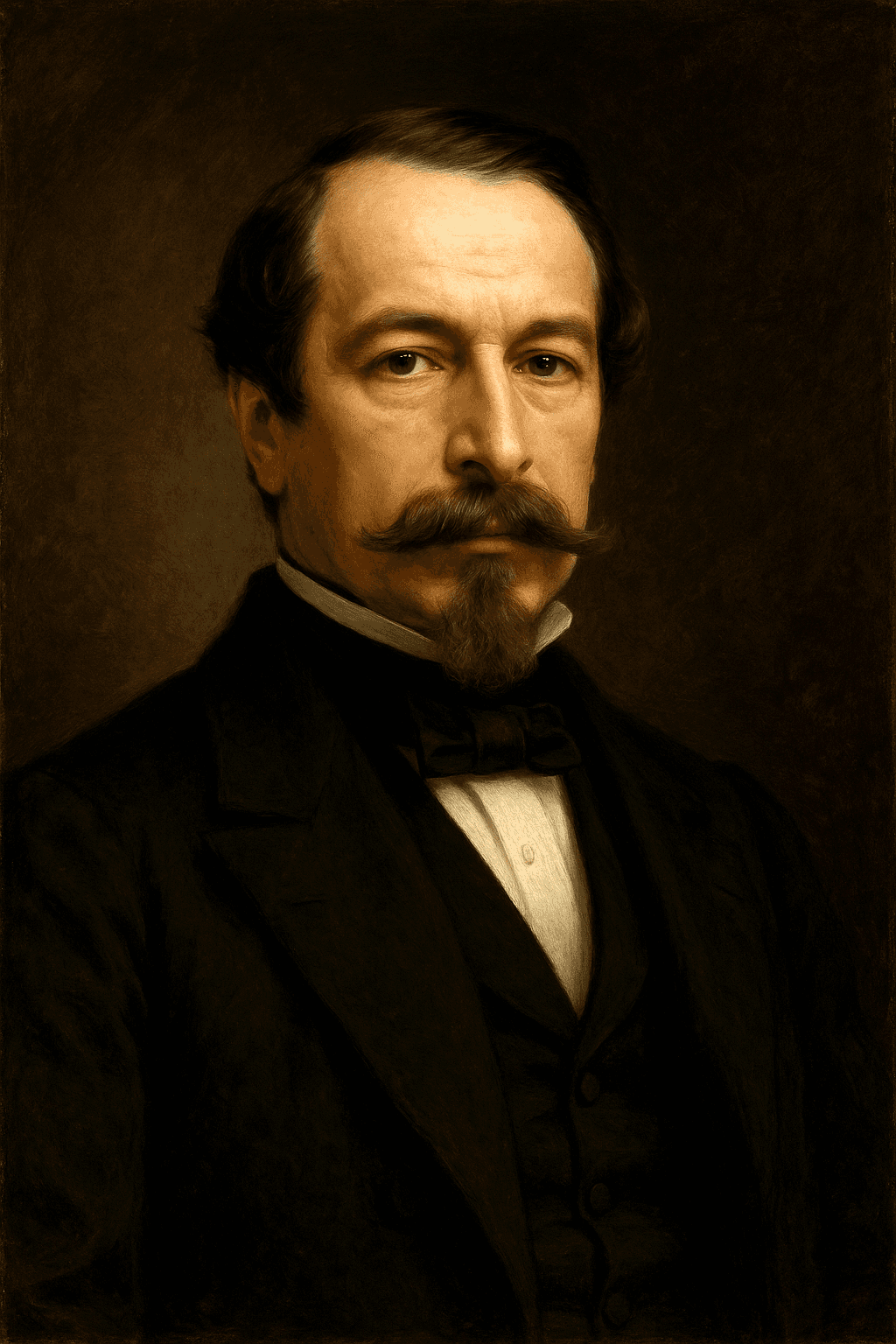
1872 - Chislehurst
Exile, bodily humiliation, and the fight against simplification by defeat.
In exile at Chislehurst, a fallen emperor writes the account that Paris will never permit to be published.
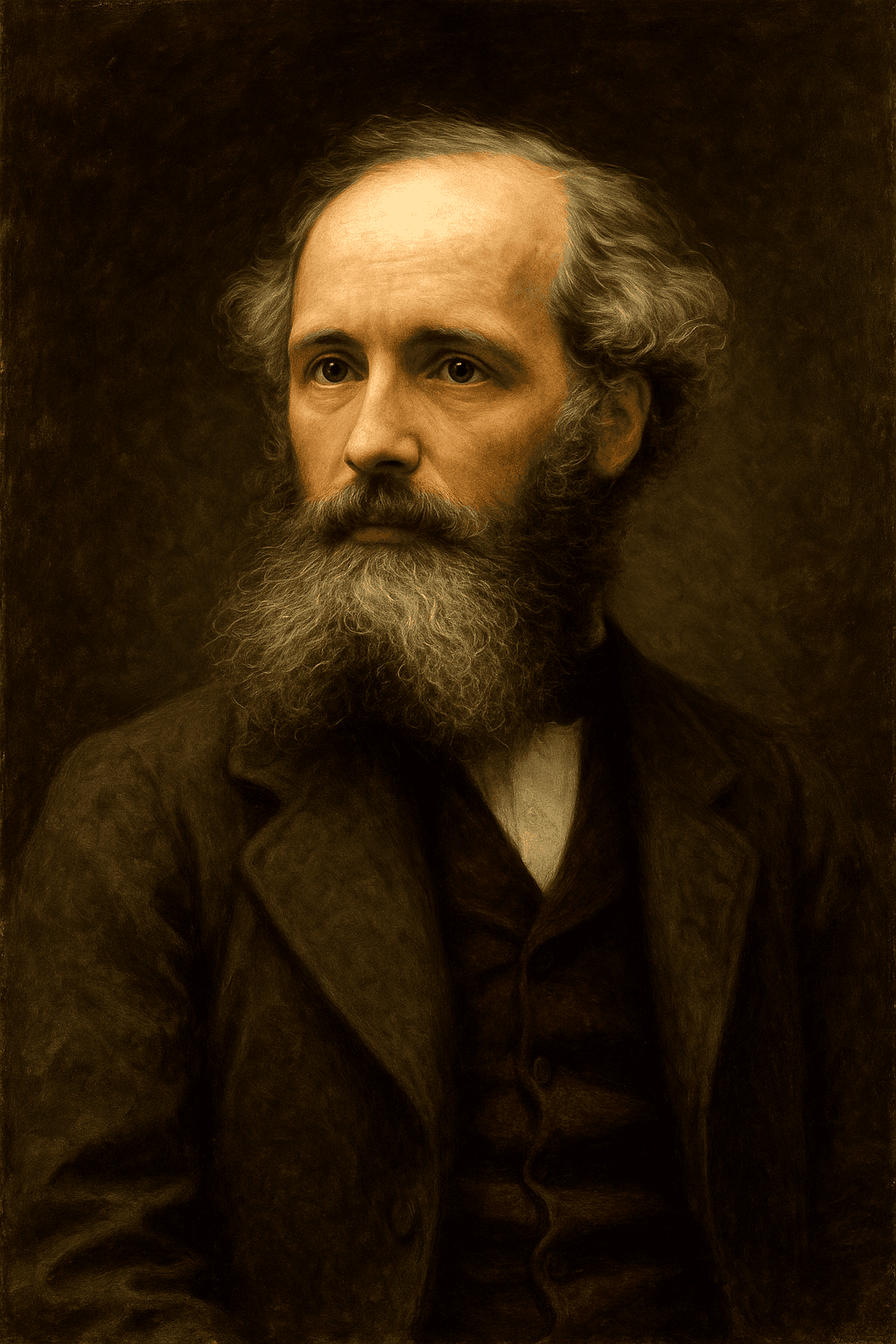
1878 - Glenlair, Kirkcudbrightshire
At Glenlair in the Scottish hills, a physicist whose equations unified light and magnetism reflects on a life spent making the invisible visible.
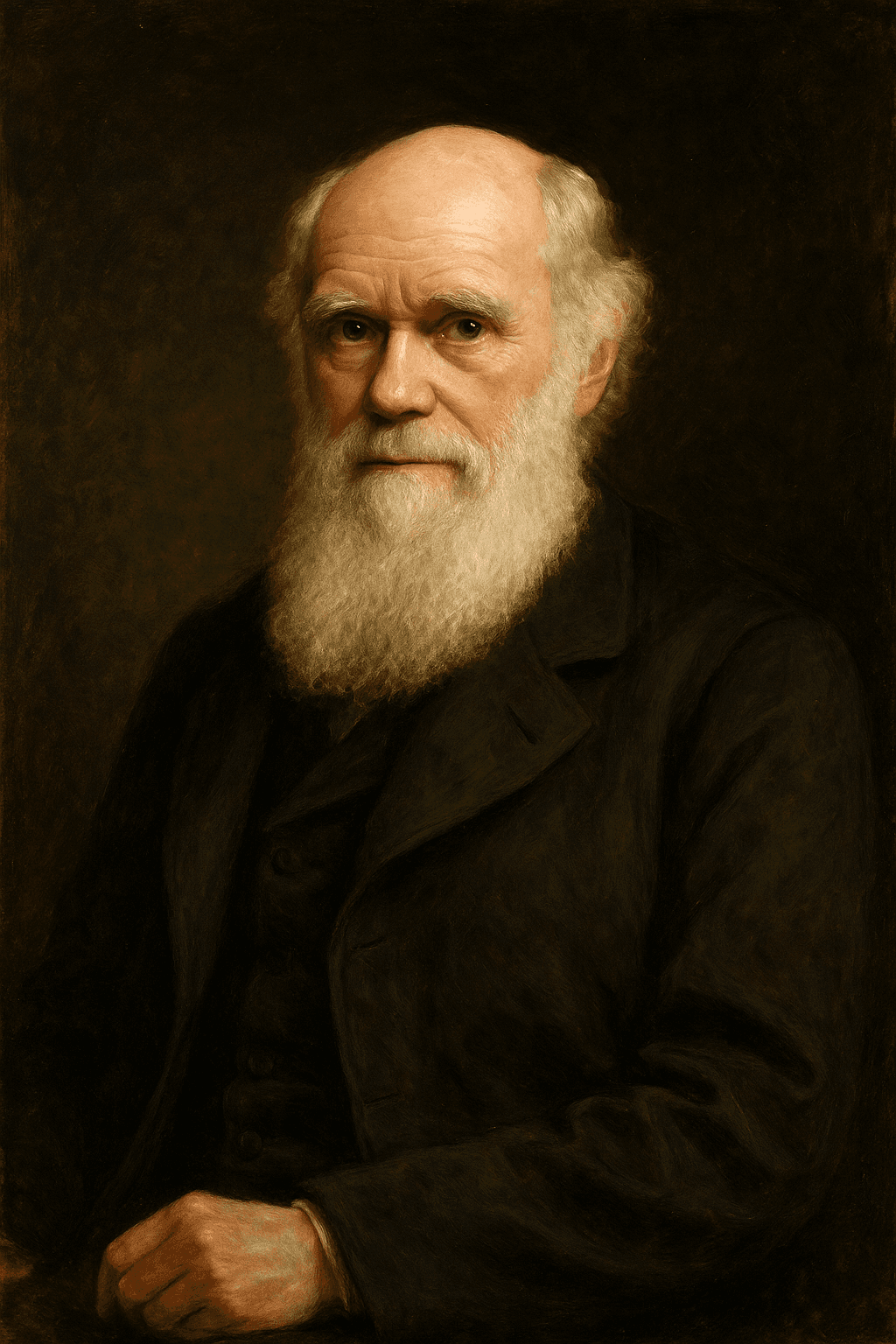
1881 - Down House, Kent
Place story available
At Down House, with his heart stumbling on the stairs, the man who changed our understanding of life sets down what the theory never explained.
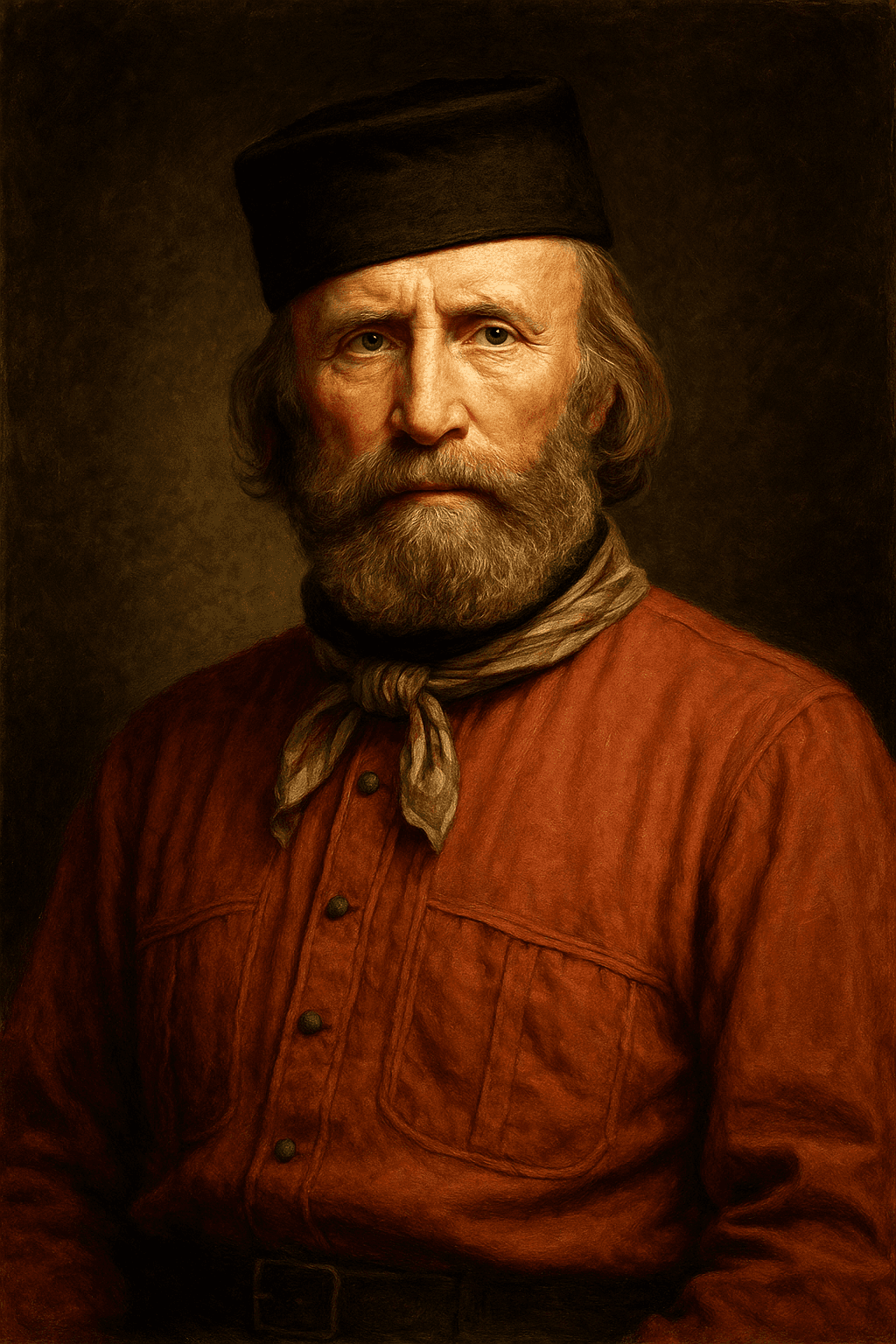
1881 - Caprera
Place story available
On Caprera, trapped between the sea and his own body, the man who unified Italy reflects on what the politicians did with what the sword made possible.
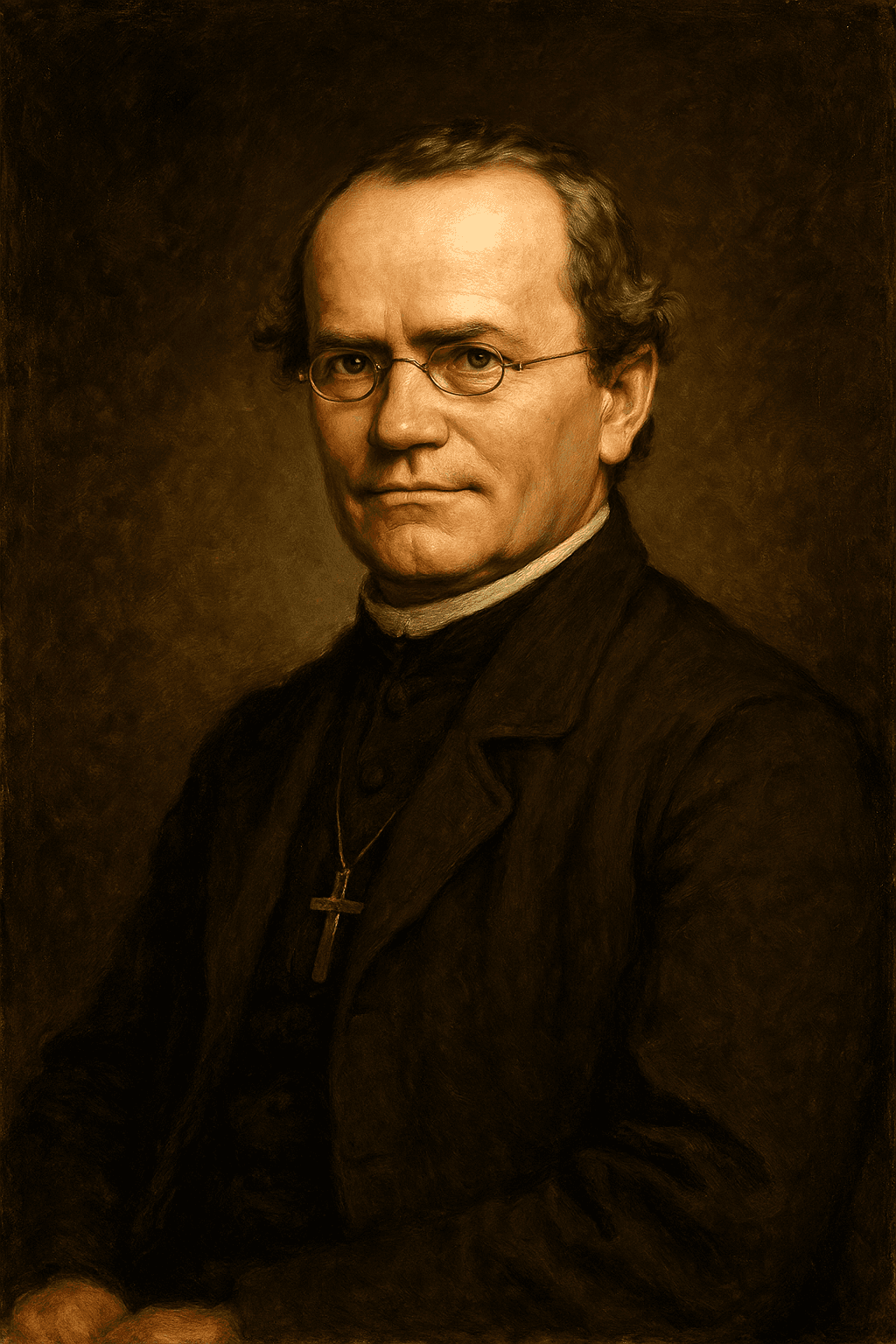
1883 - Brno
Place story available
In the quiet of the abbey at Brno, a monk whose pea experiments were ignored reflects on what the world was not yet ready to understand.
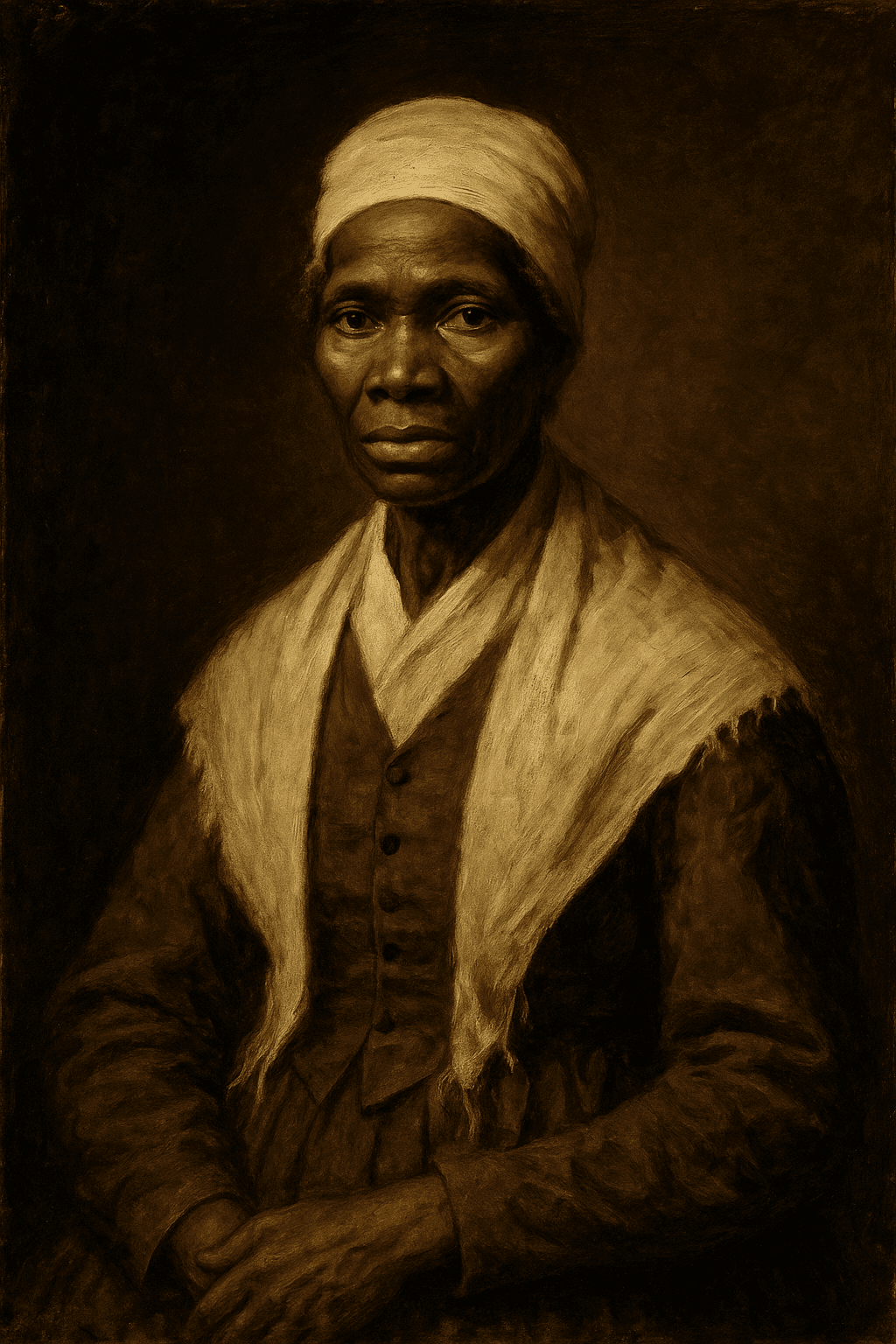
1883 - Battle Creek, Michigan
Place story available
With her body failing faster than her memory, a woman who walked out of slavery sets down what freedom actually looked like.
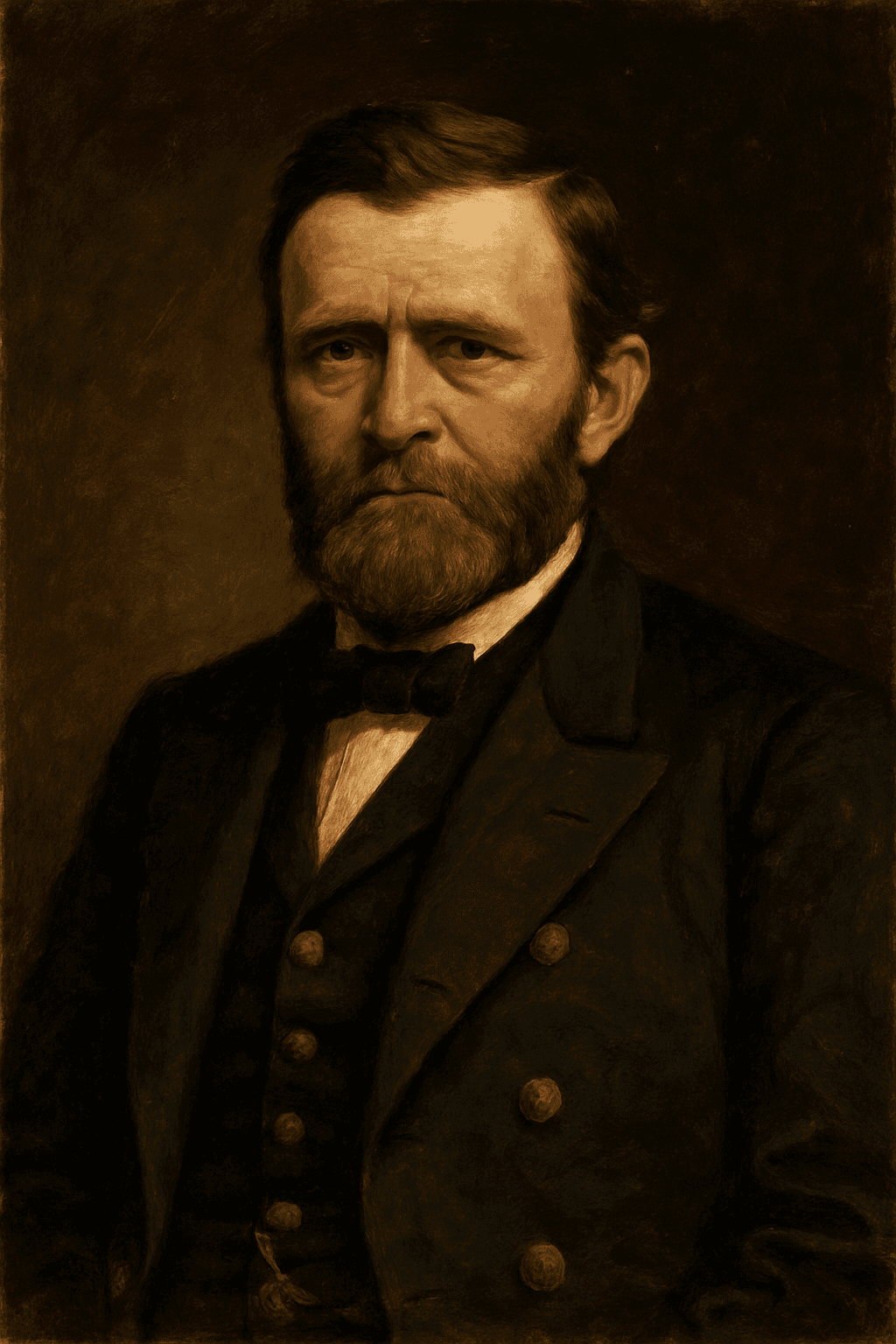
1885 - Mount McGregor
At Mount McGregor, racing against cancer to finish his memoirs, a general and president faces his final campaign.
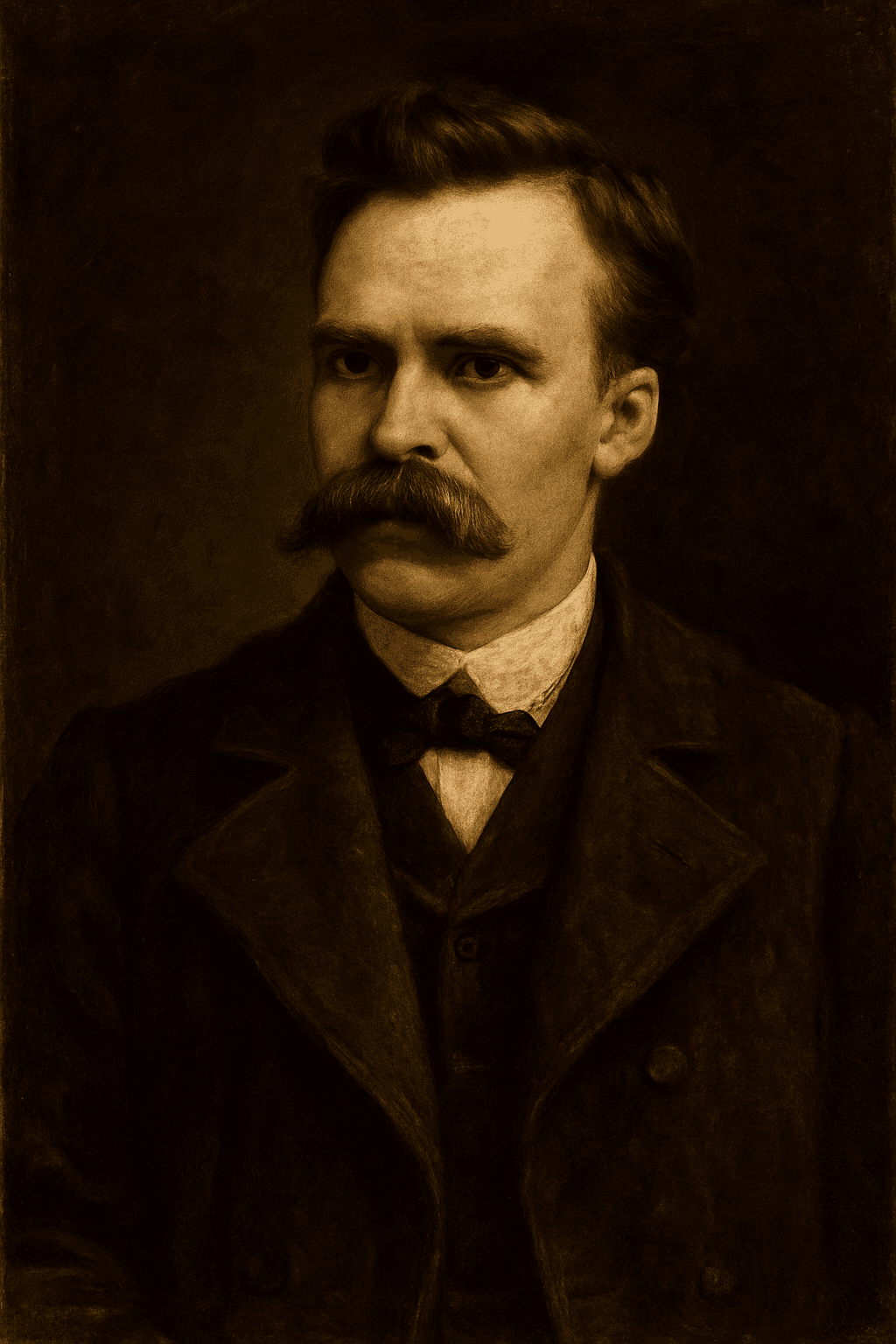
1888 - Turin (Via Carlo Alberto 6, top floor)
The landlady has brought the lamp earlier than usual, and I keep the new pages turned face down on the table because if she sees how quickly they are accumulating she will write to my sister, and the printer must receive them before the family begins interfering again.
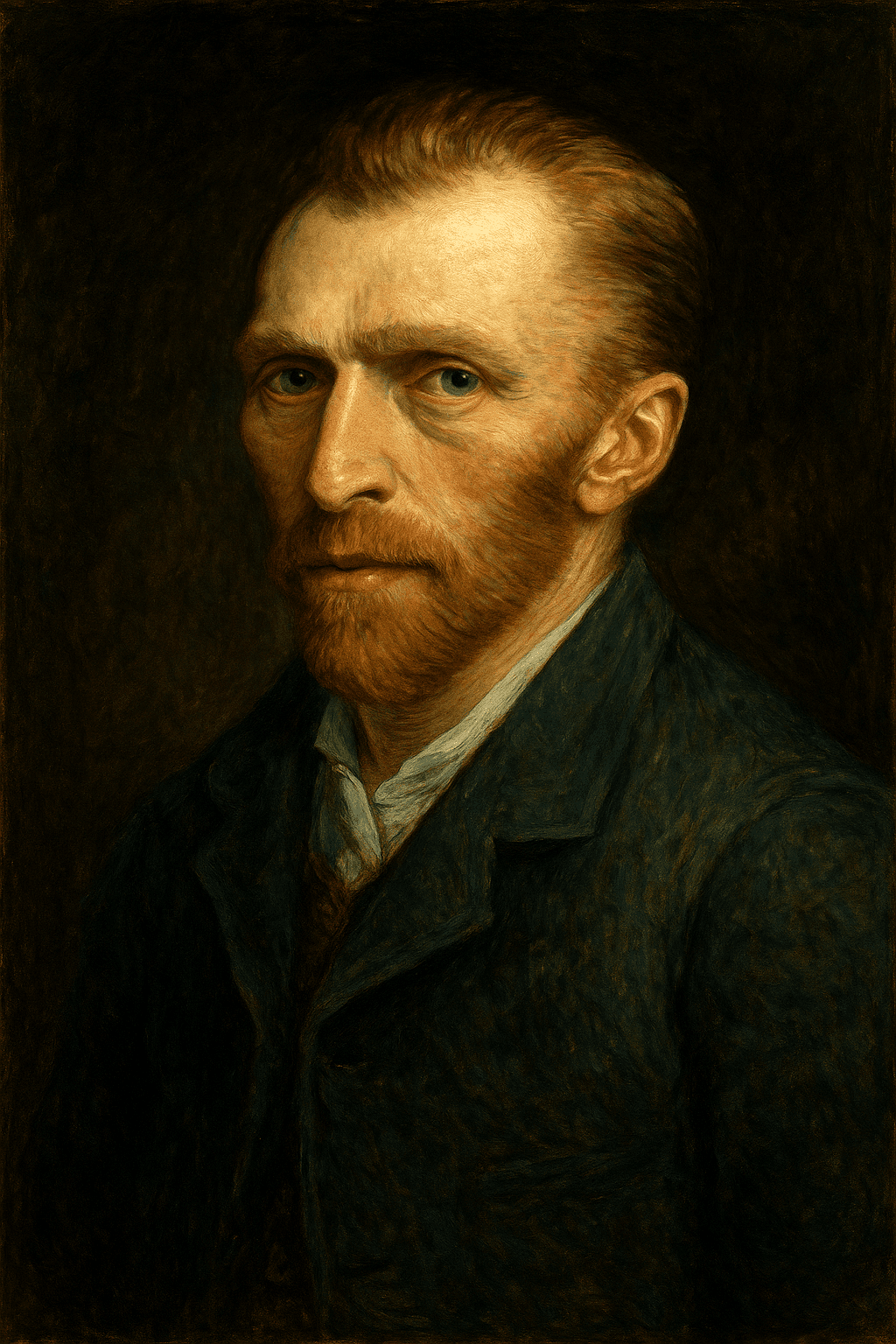
1890 - Auvers-sur-Oise
Place story available
I am thirty-seven years old and the mornings here in Auvers open like pale wounds that at once become doors, the white of the sky before sunrise so thin it is almost not there, and then suddenly all the wheat, the roofs, the paths, the cypresses farther off, the church tower, the chalk of the roads, even the black crows when they rise late and violently as if shaken out of the fields by some hand under the earth, all of it begins to burn without flame and then there is only one possible answer to that kind of light, which is work, work at once, work before the pressure changes its colour, before the afternoon comes with its pushing, with the inward crowding that is not merely in the head but in the whole air around the head, as if the day itself had leaned too close.
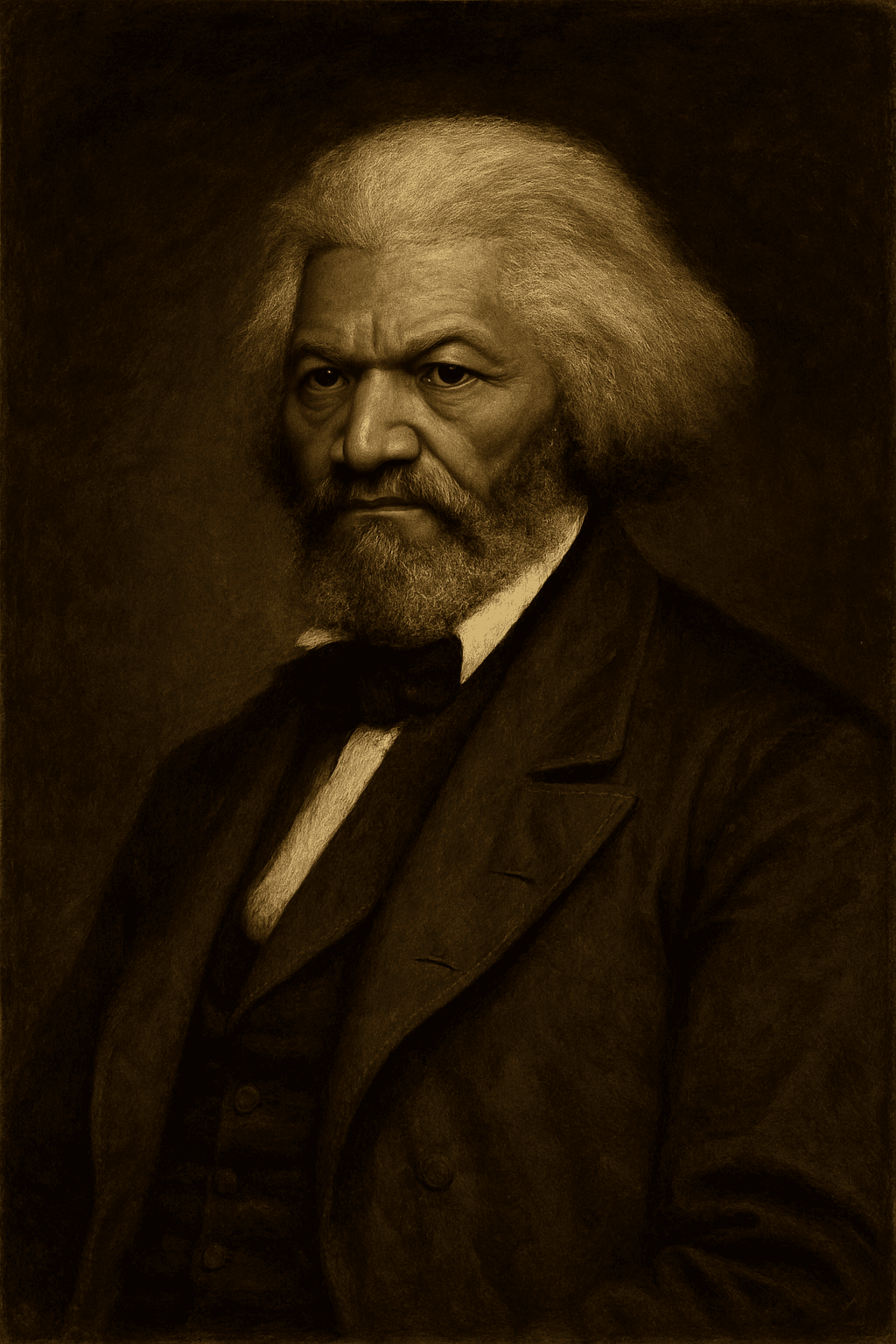
1894 - Washington, D.C.
Place story available
In Washington, as his body fails, the man who escaped slavery and changed a nation confronts what the republic still refuses to face.
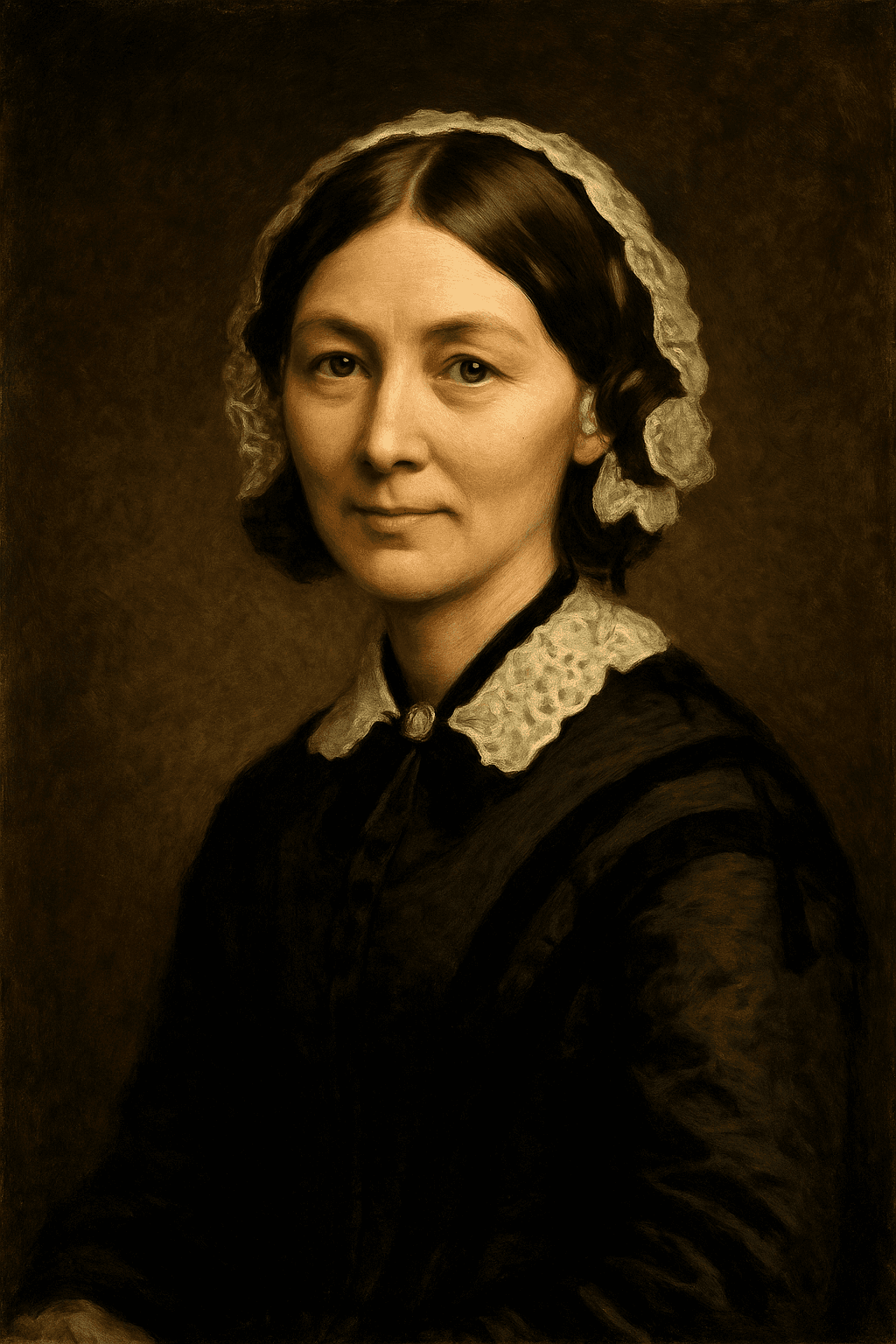
1895 - London
Place story available
Confined to her rooms, no longer able to walk the wards, the founder of modern nursing reflects on what reform actually requires.
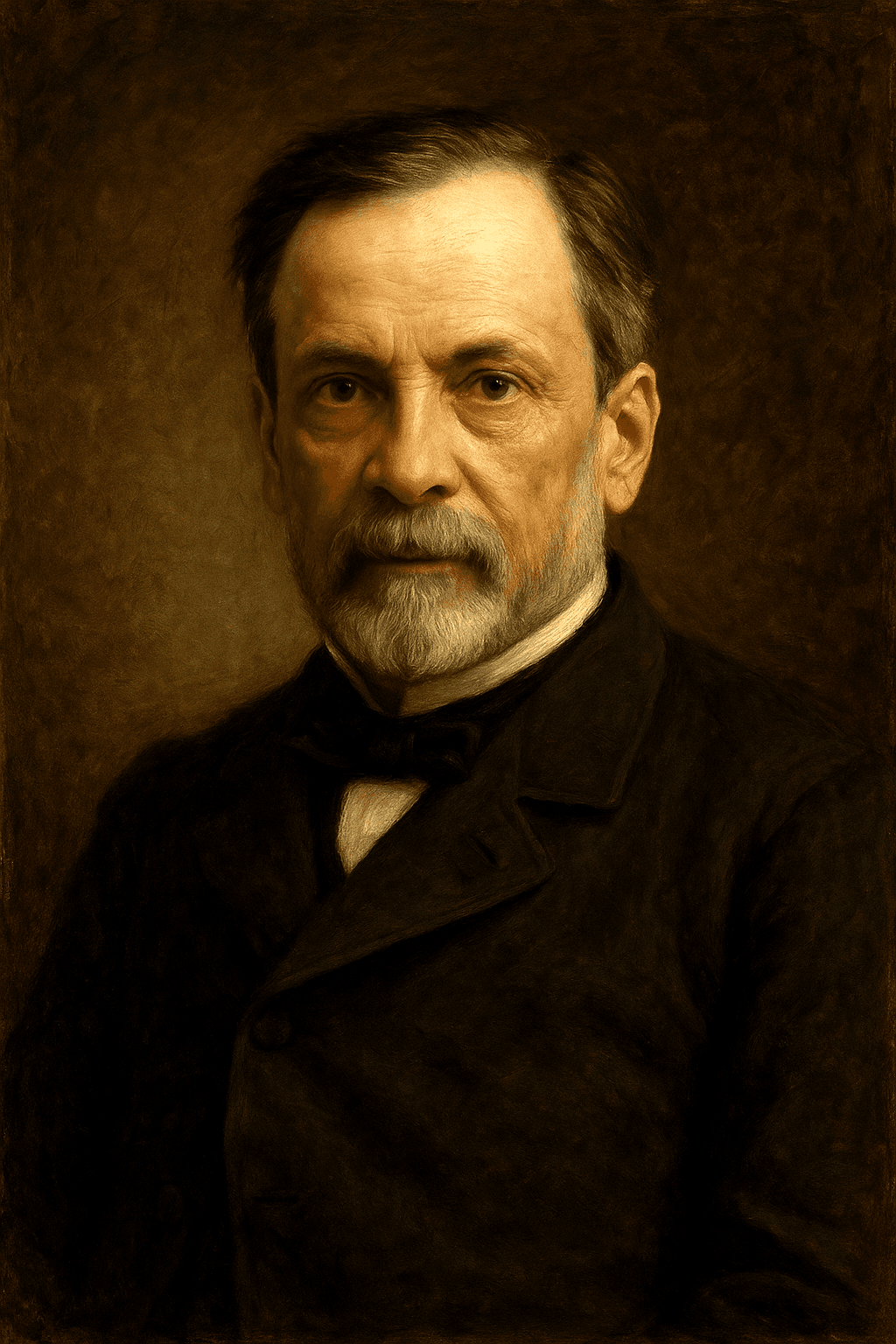
1895 - Villeneuve-l'Etang
Place story available
Unable to command his own mouth, the man who proved that germs cause disease sets down what the medical establishment fought him for decades to deny.
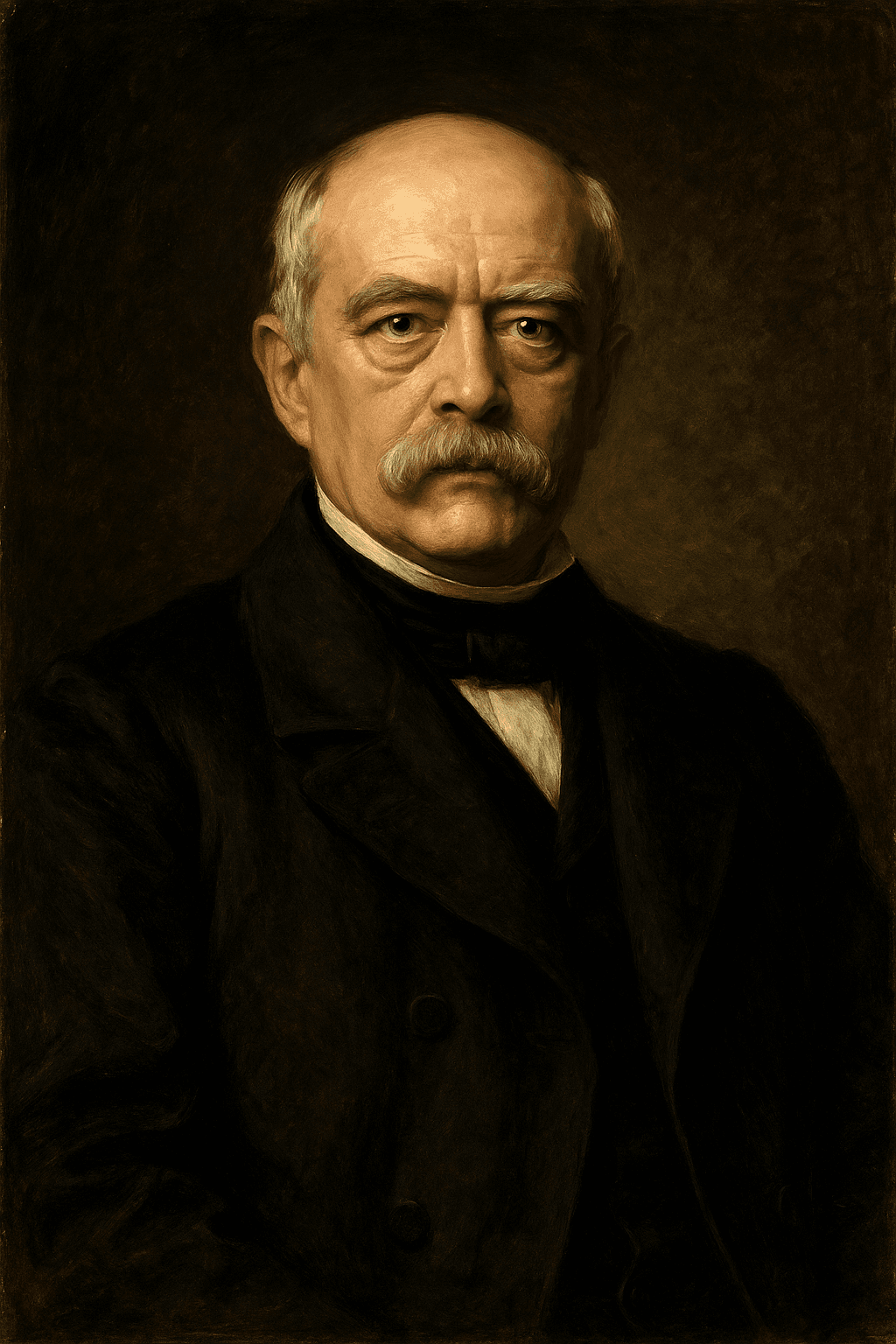
1897 - Friedrichsruh
Dismissal, founder grievance, and the comedy of inferior successors.
Dismissed, ageing, and deliberately sidelined, the architect of German unification watches his successors dismantle his work.
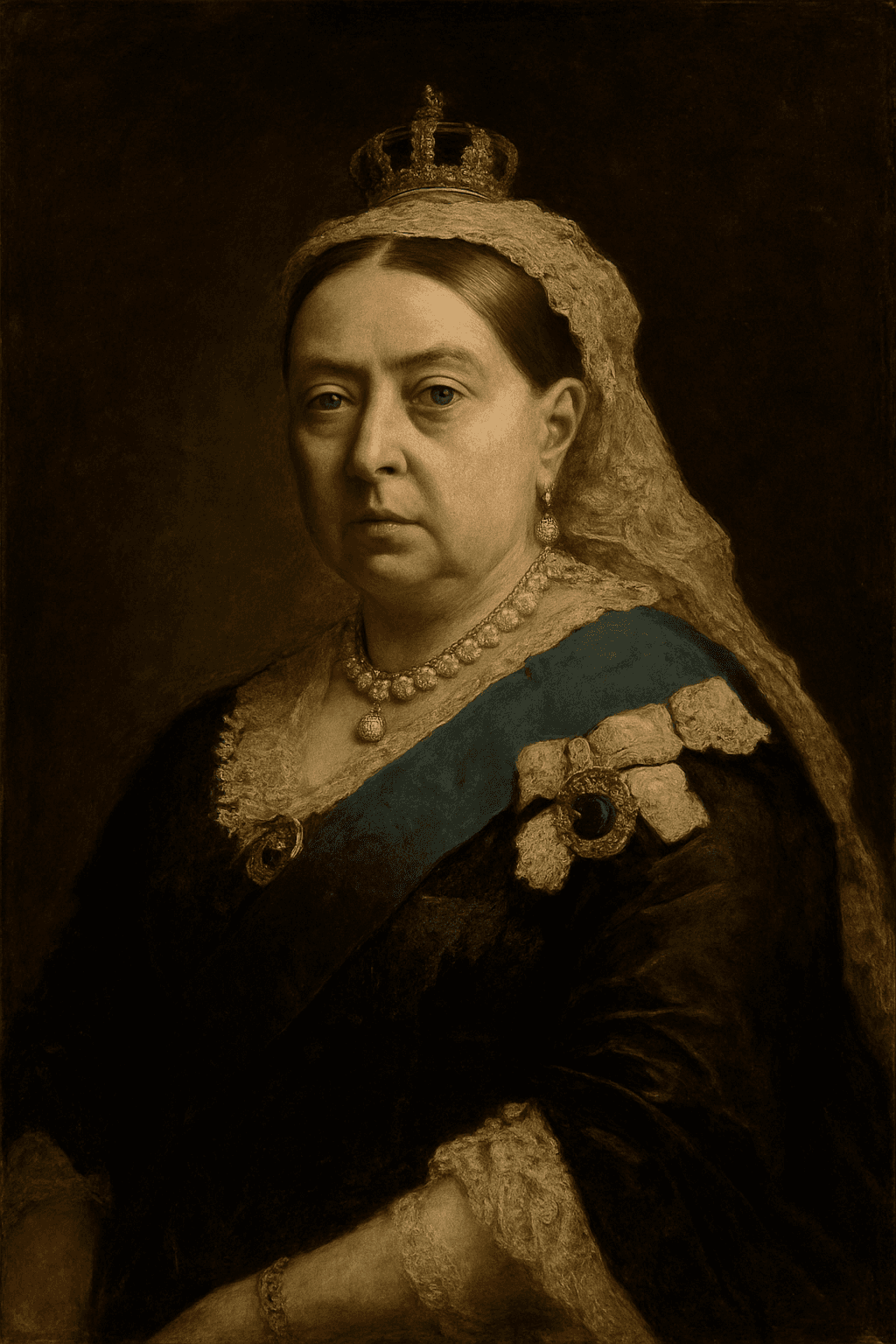
1900 - Osborne House
Place story available
Ceremony, ageing authority, and the slow conversion of a queen into institution.
Alone at Osborne House, an ageing queen confronts the cost of an empire built on duty and silence.
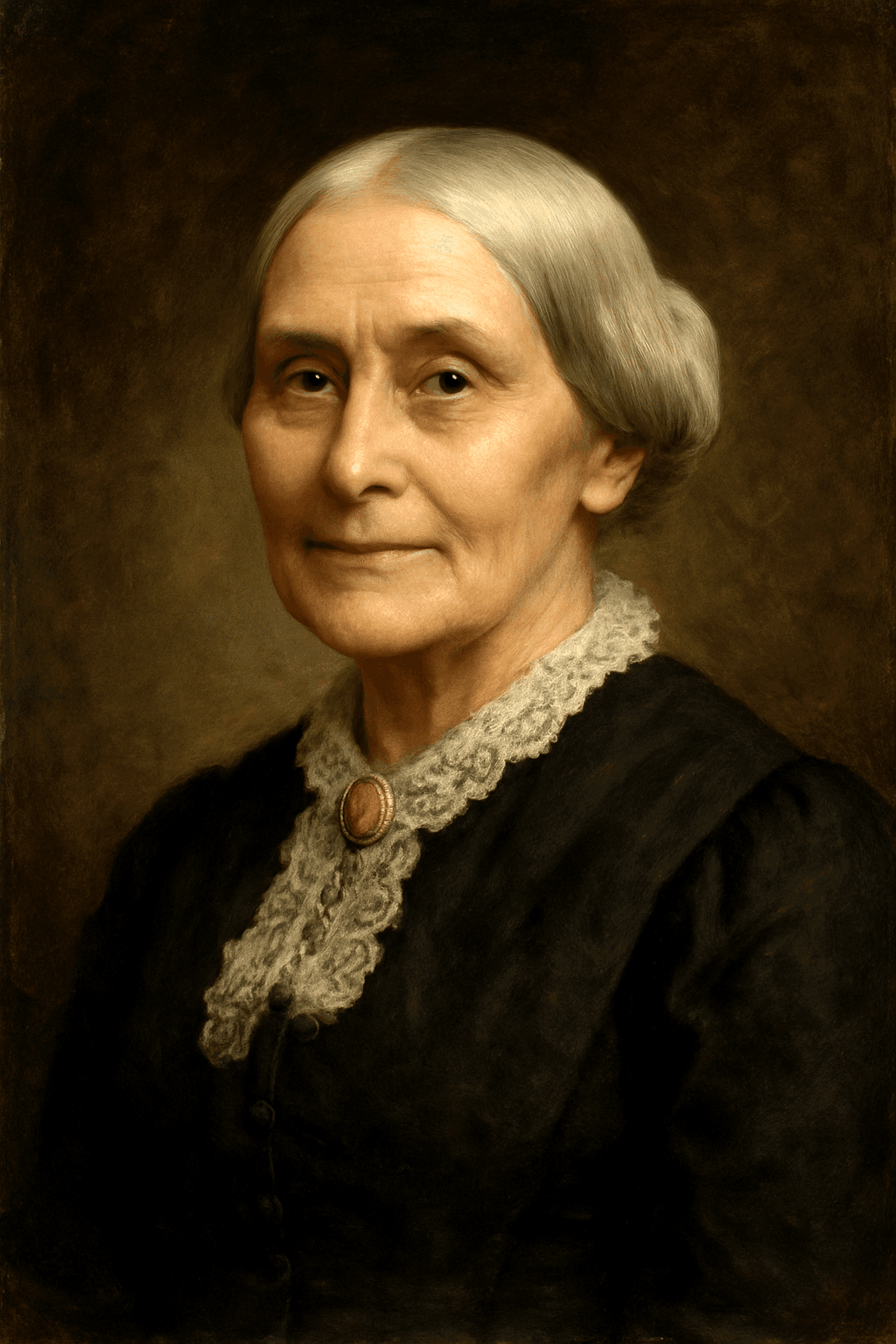
1905 - Rochester, New York
Place story available
In Rochester, after a lifetime of being arrested for voting, a suffragist reflects on the distance between rights declared and rights delivered.
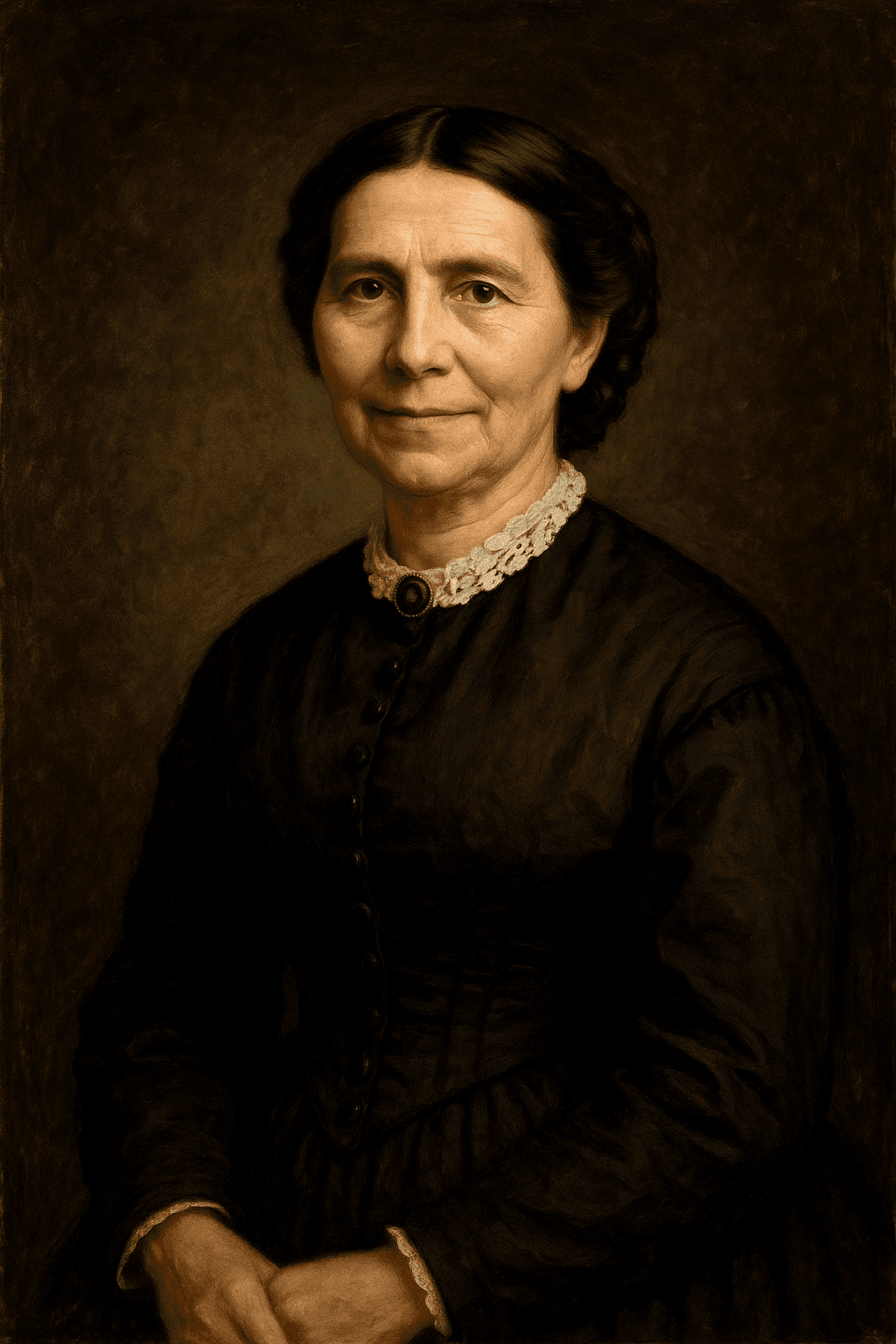
1906 - Glen Echo, Maryland
Place story available
The founder of the American Red Cross reflects on what she witnessed on battlefields that the official histories chose to sanitise.
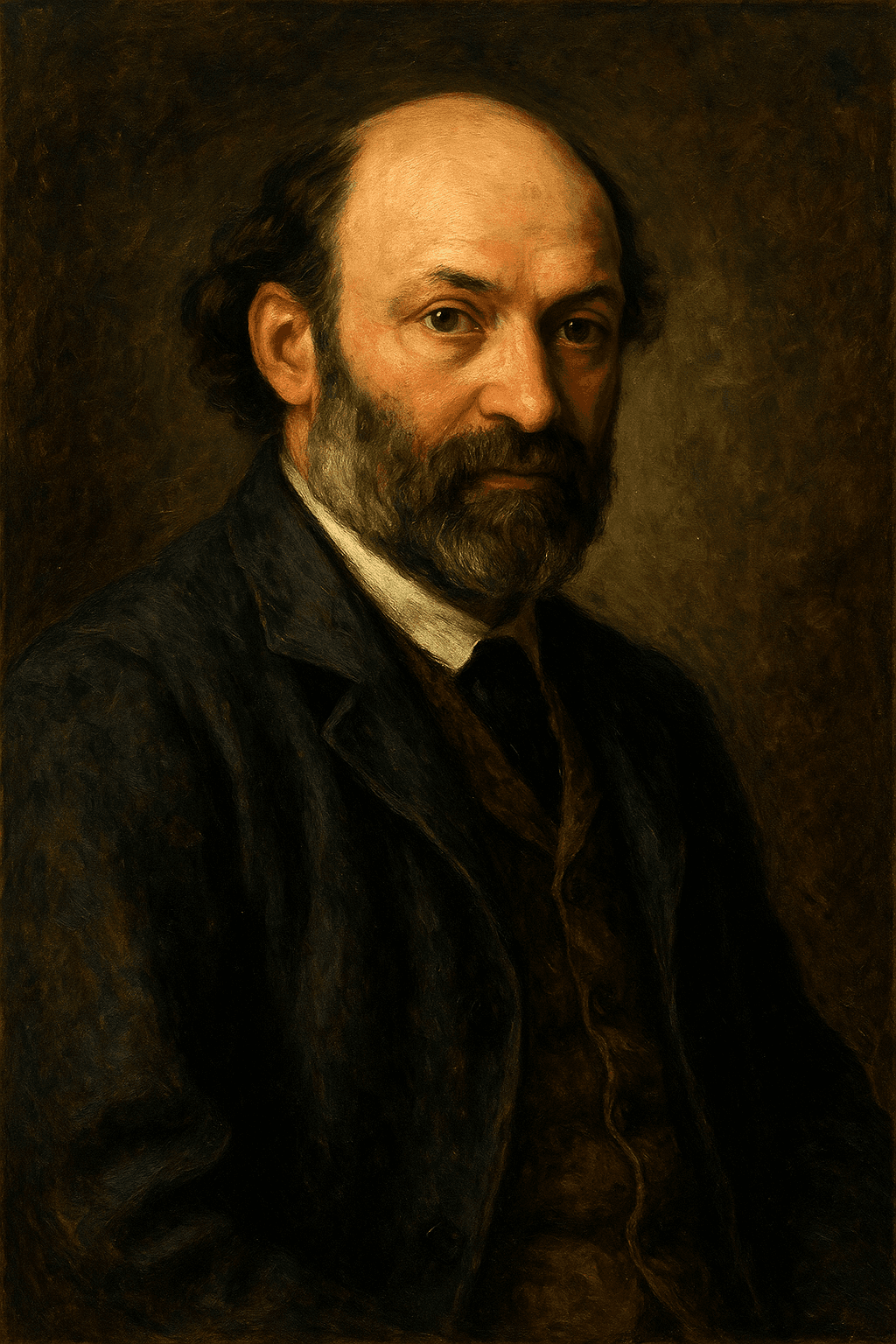
1906 - Aix-en-Provence.
Place story available
I went back to the motif after the collapse because the motif remains what it is regardless of the body, and if the body now protests, falters, surrenders its force in the rain beneath the mountain, that does not alter the mountain’s necessity or the unfinished canvas waiting in the studio with the same quiet and intolerable right it possessed the day before I dropped in the field.
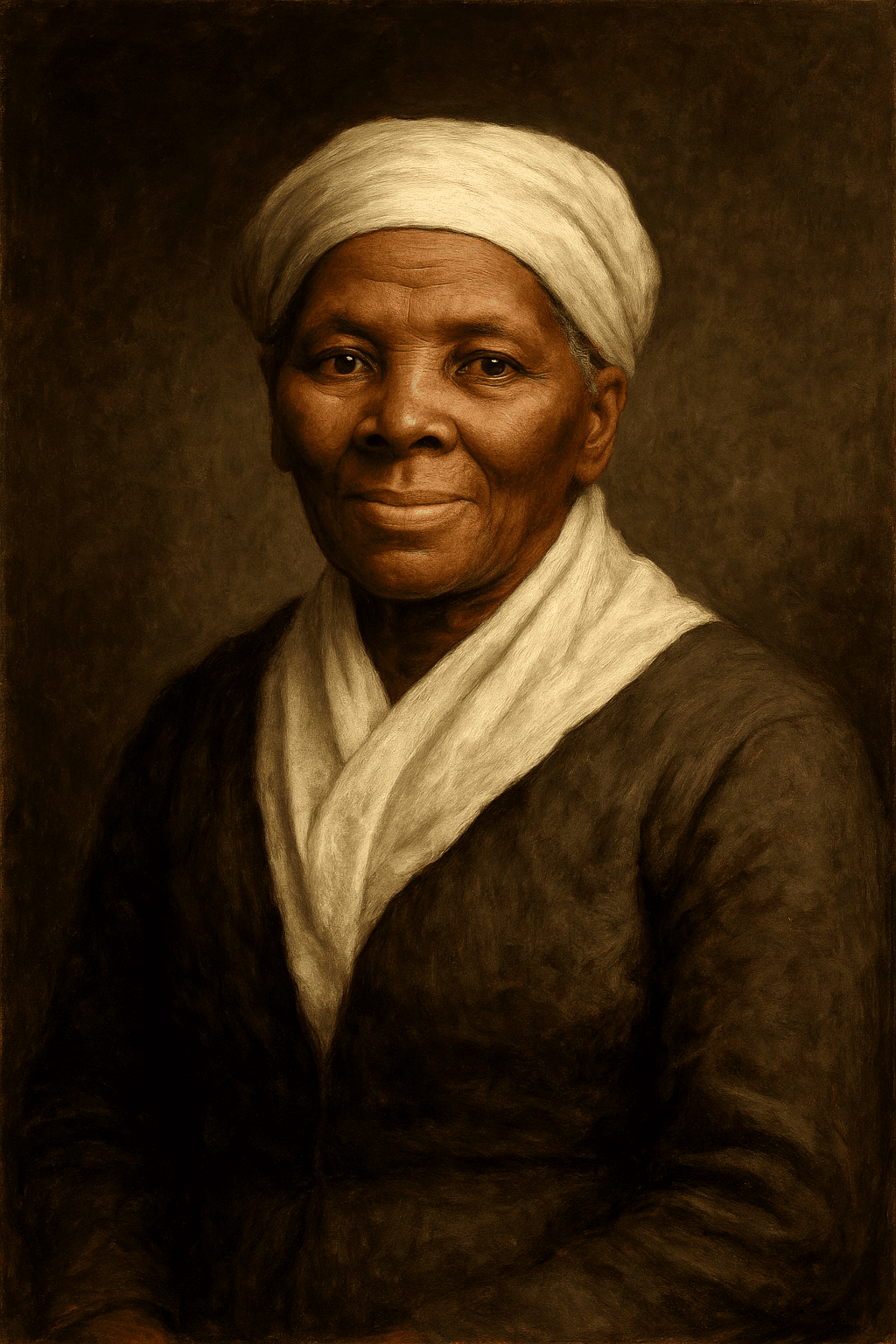
1912 - Auburn, New York
Place story available
At Auburn, a woman who freed hundreds through the Underground Railroad sets down the journeys that no document ever recorded.
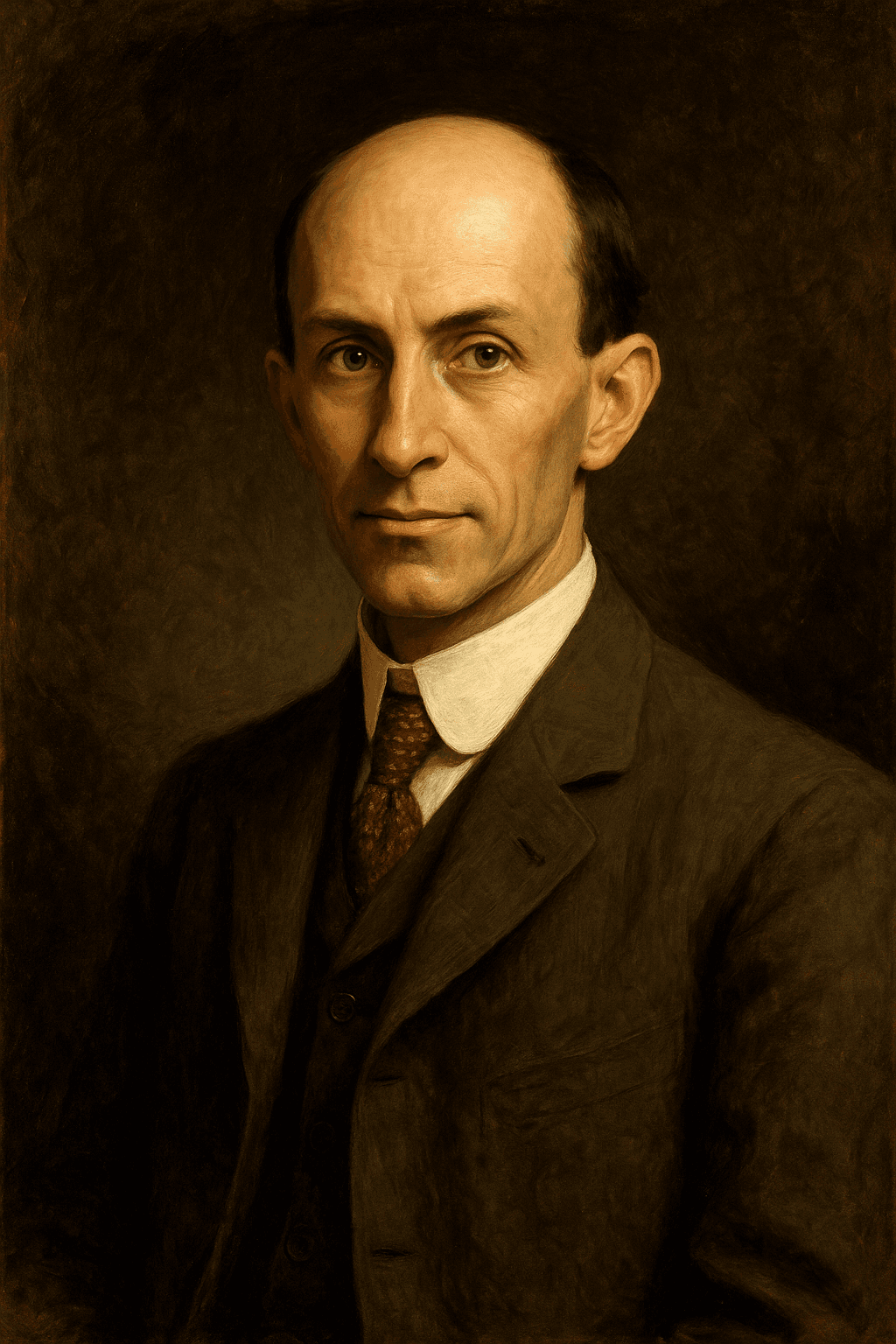
1912 - Dayton, Ohio
Place story available
With his lungs burning in Dayton, knowing he will not survive the year, the man who achieved powered flight sets down what the history books will get wrong.
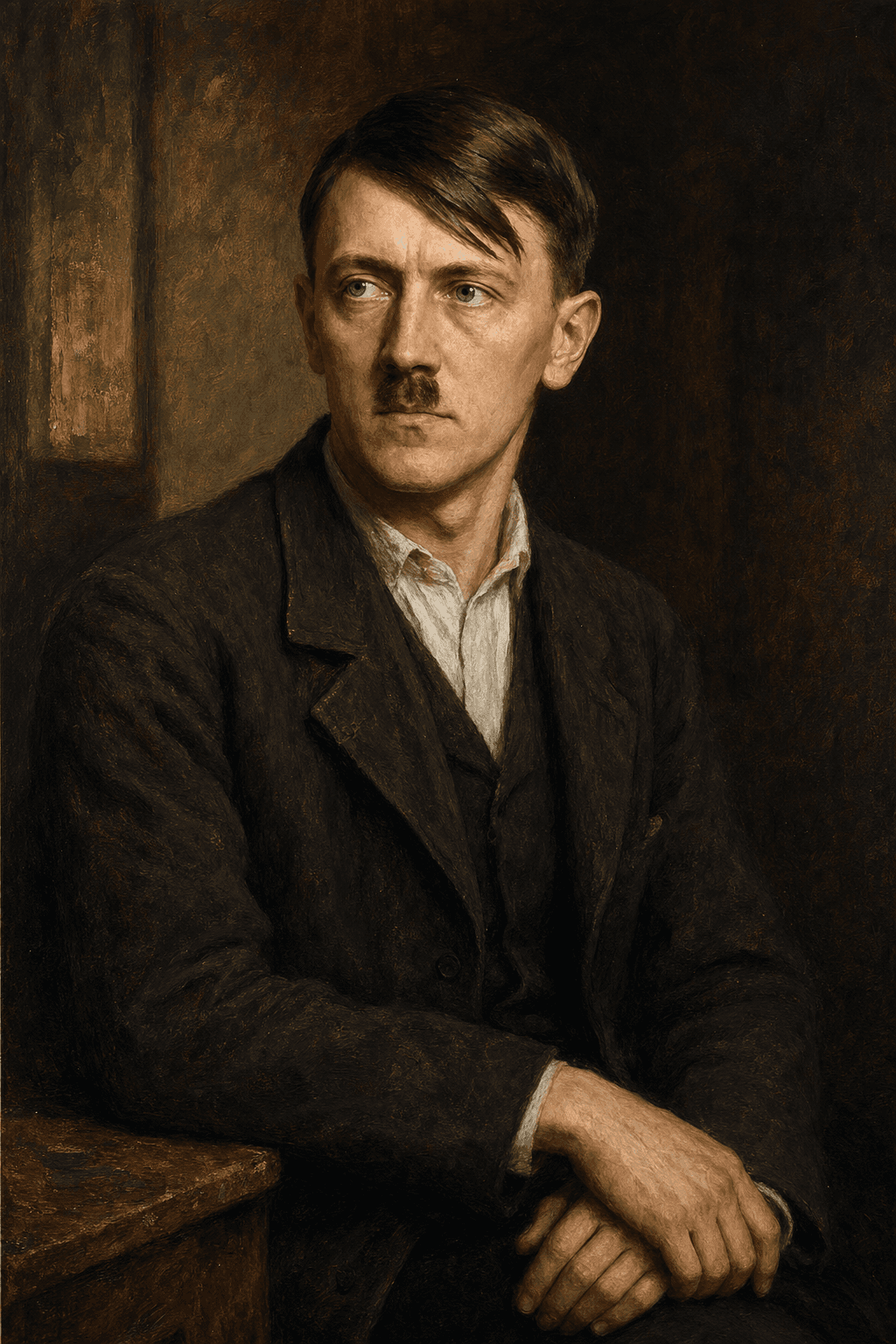
1913 - A working men's hostel in the Brigittenau district of Vienna, spring 1913 (the Männerheim, Meldemannstraße 27, XX. Bezirk; the figure resident since February 1910 and three weeks from departing for München).
A failed Academy of Fine Arts entrance candidate of twenty-four sits at the writing and painting table of a working men's hostel in the Brigittenau district of Vienna in the spring of 1913, paints a view postcard of the Karlskirche for the resale trade the hostel sustains, reads the day's pan-German pamphlet, and builds the account that keeps his circumstances from being his own fault.
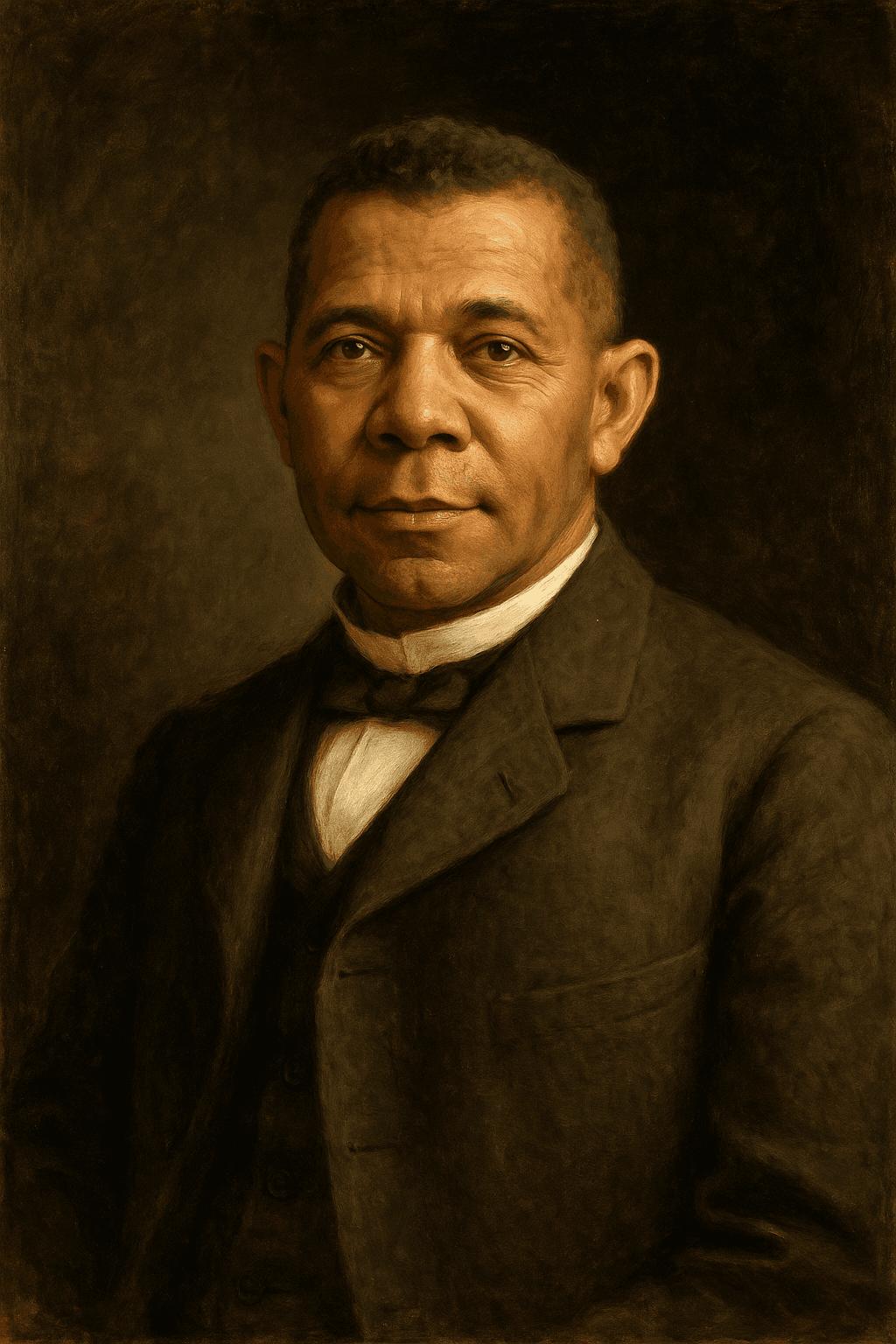
1914 - Tuskegee, Alabama
Place story available
At Tuskegee, a man who built an institution from nothing reflects on the cost of compromise with a nation that never intended to keep its promises.
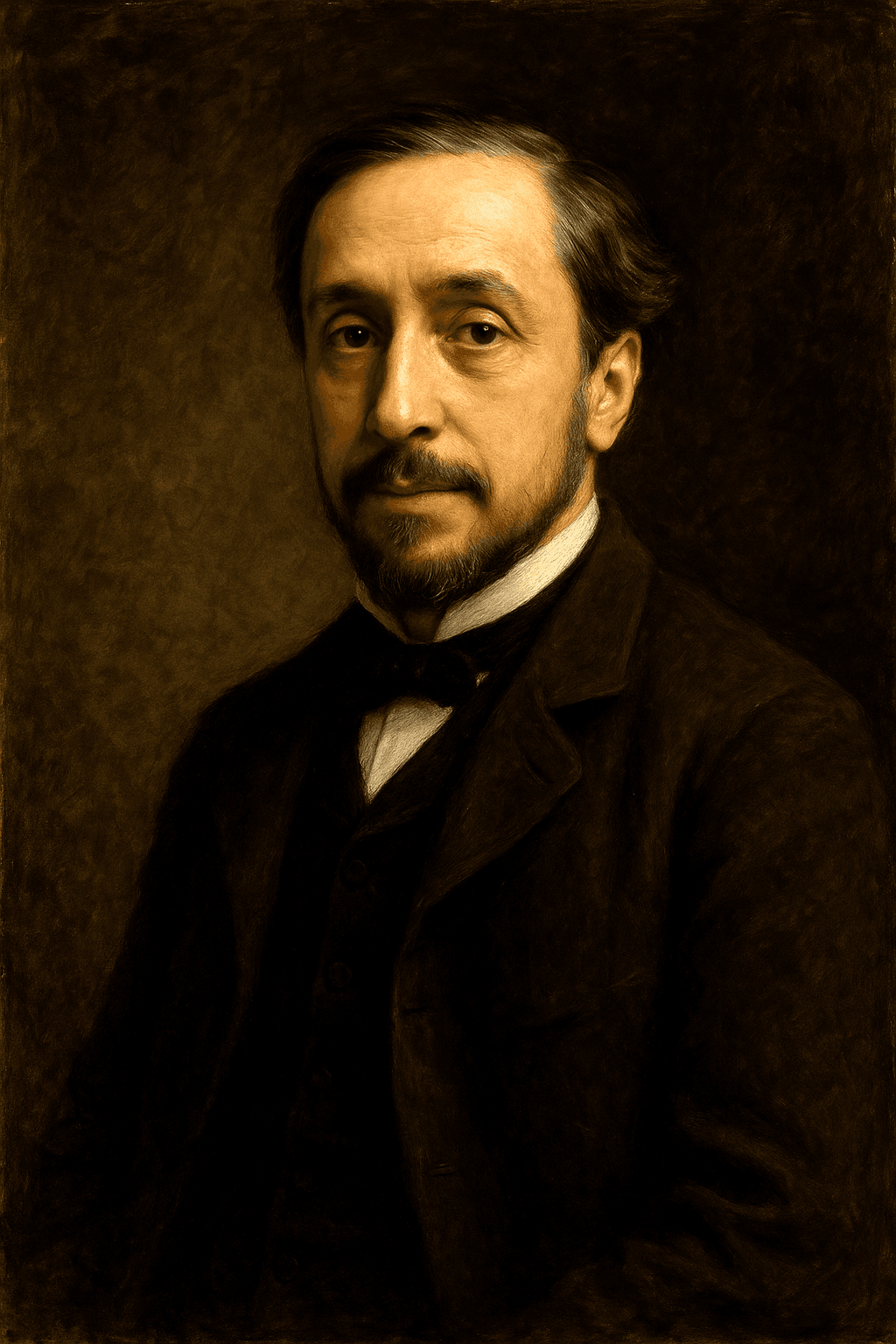
1917 - Paris
Place story available
I am eighty-three years old, and if the matter is to be stated without the sentimental falsity with which old age is usually surrounded by those who do not yet suffer it, I am blind enough for the practical arts to have been taken from me and not blind enough to be spared the humiliation of knowing precisely what has been taken.
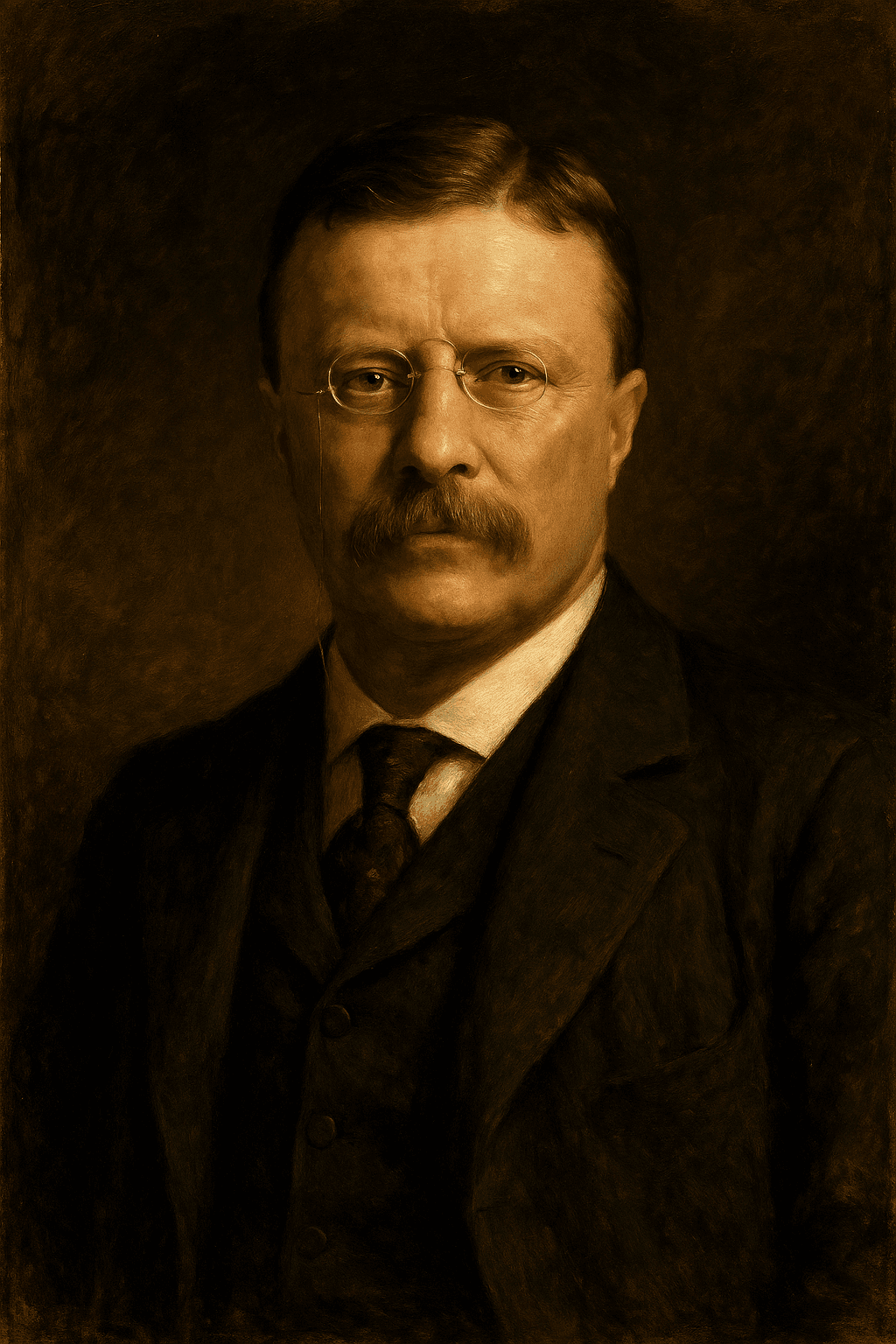
1919 - Oyster Bay, New York
Place story available
Physical decline, post-power irrelevance, and appetite refusing retirement.
In Oyster Bay, a former president burns with unfinished energy and the knowledge that the country moved on without him.
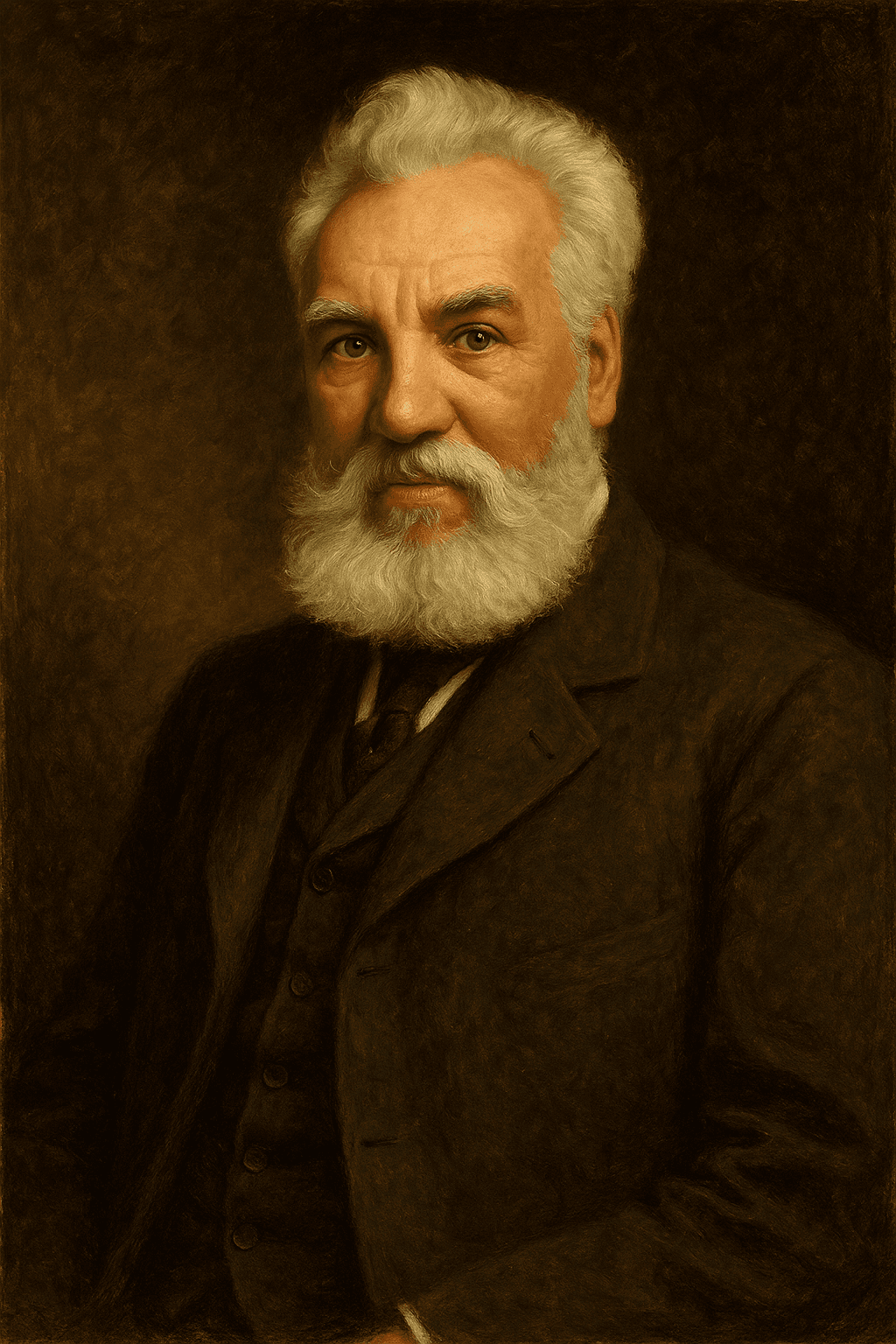
1921 - Beinn Bhreagh, Nova Scotia
Place story available
Hearing little now except the inner rushing of his own blood, the inventor of the telephone reflects on the sounds that changed everything.
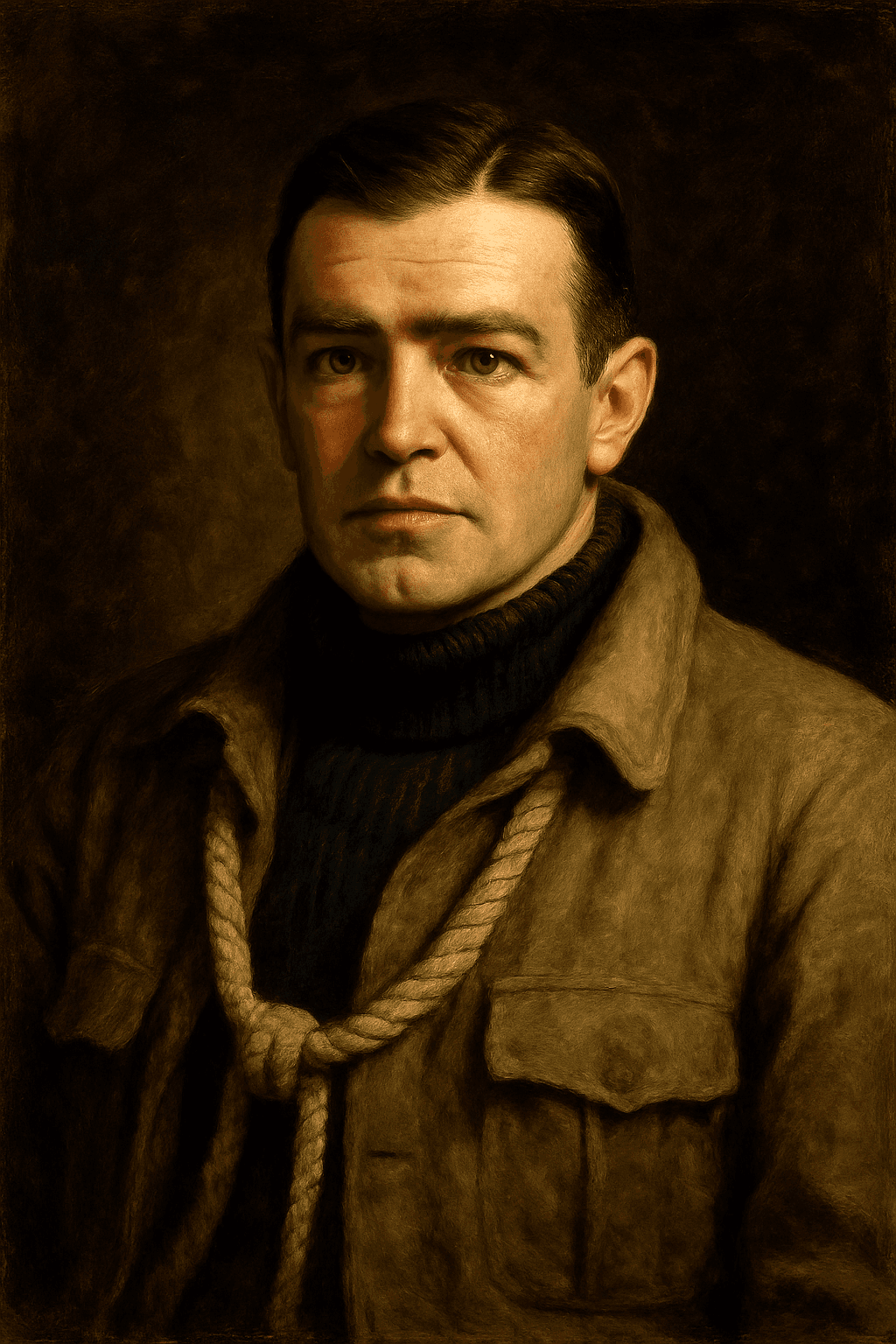
1921 - London
Place story available
In London, with the weight of another departure pressing, the explorer whose greatest achievement was bringing every man home alive prepares for one last voyage.
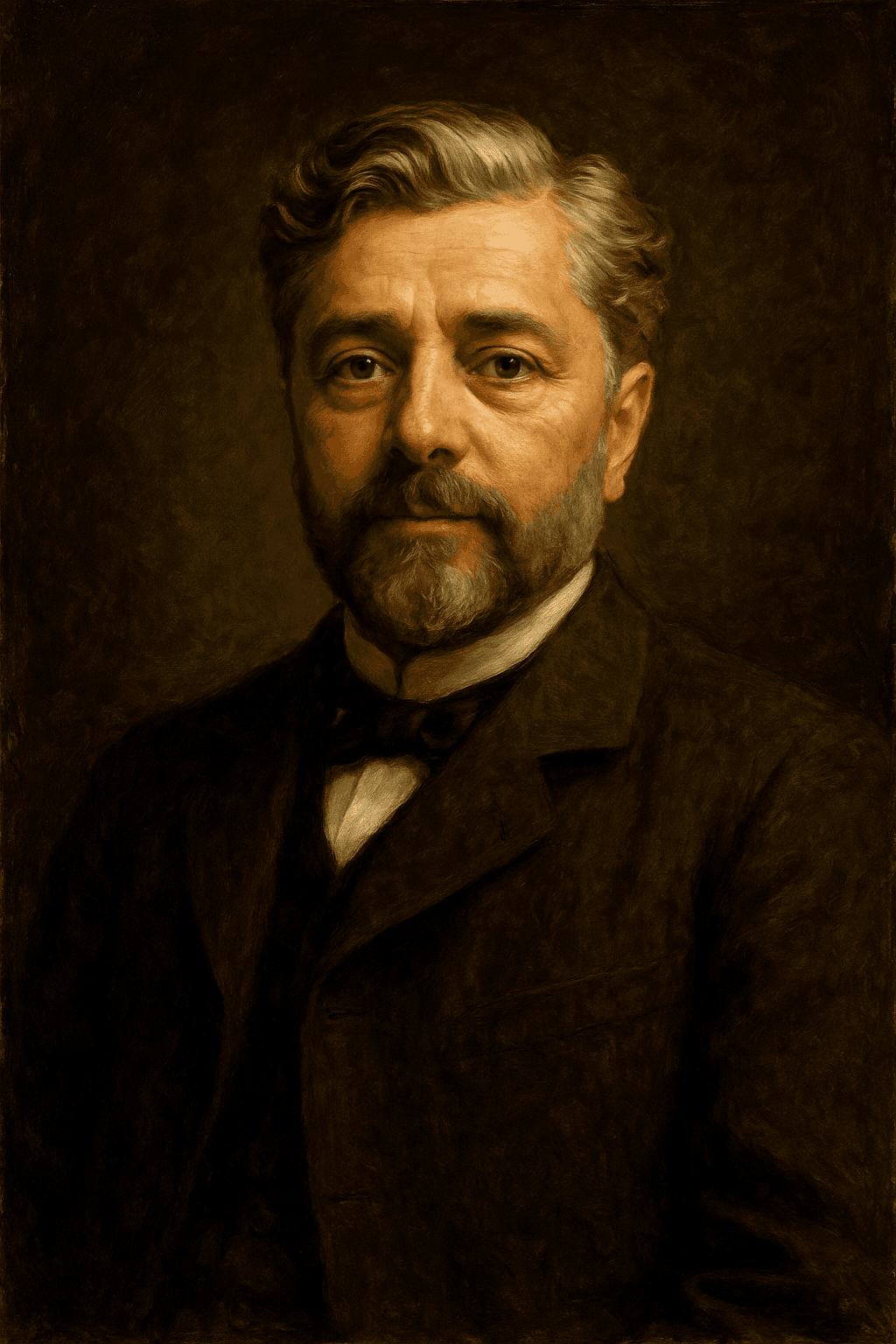
1922 - Rue Rabelais, Paris
Place story available
In his ninetieth year on the Rue Rabelais, the builder of the tower that defined Paris reflects on the difference between monuments and memory.
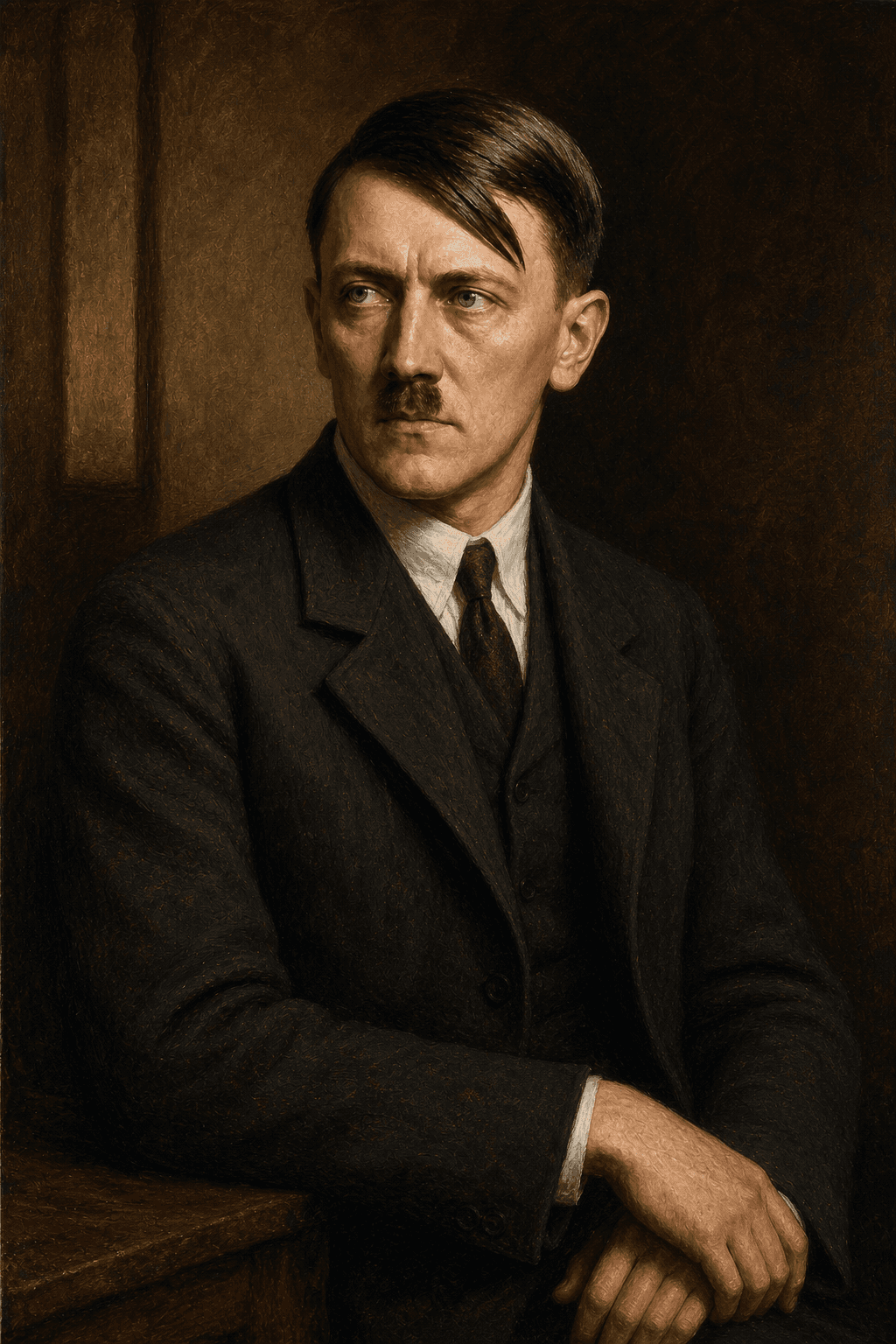
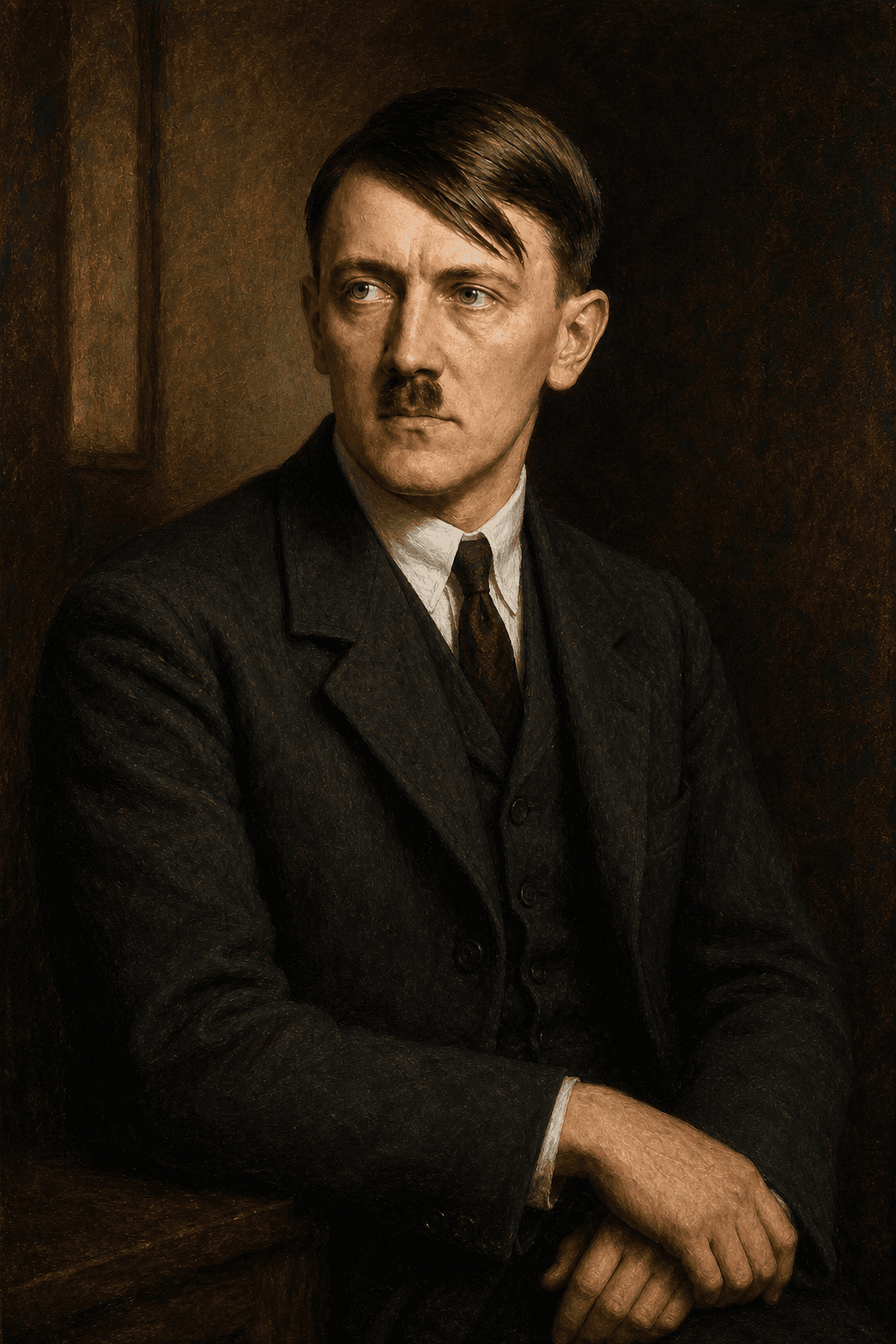
1924 - Landsberg fortress prison (the Festungshaft cell where the dictation is conducted), Bavaria
A failed putschist sits in a fortress cell dictating a book that assembles his personal grievances and the doctrines of his small party into a single system of self-justification, converting the catastrophe of November 1923 into the manuscript that will later be used to license violence against the categories the manuscript names as enemies.
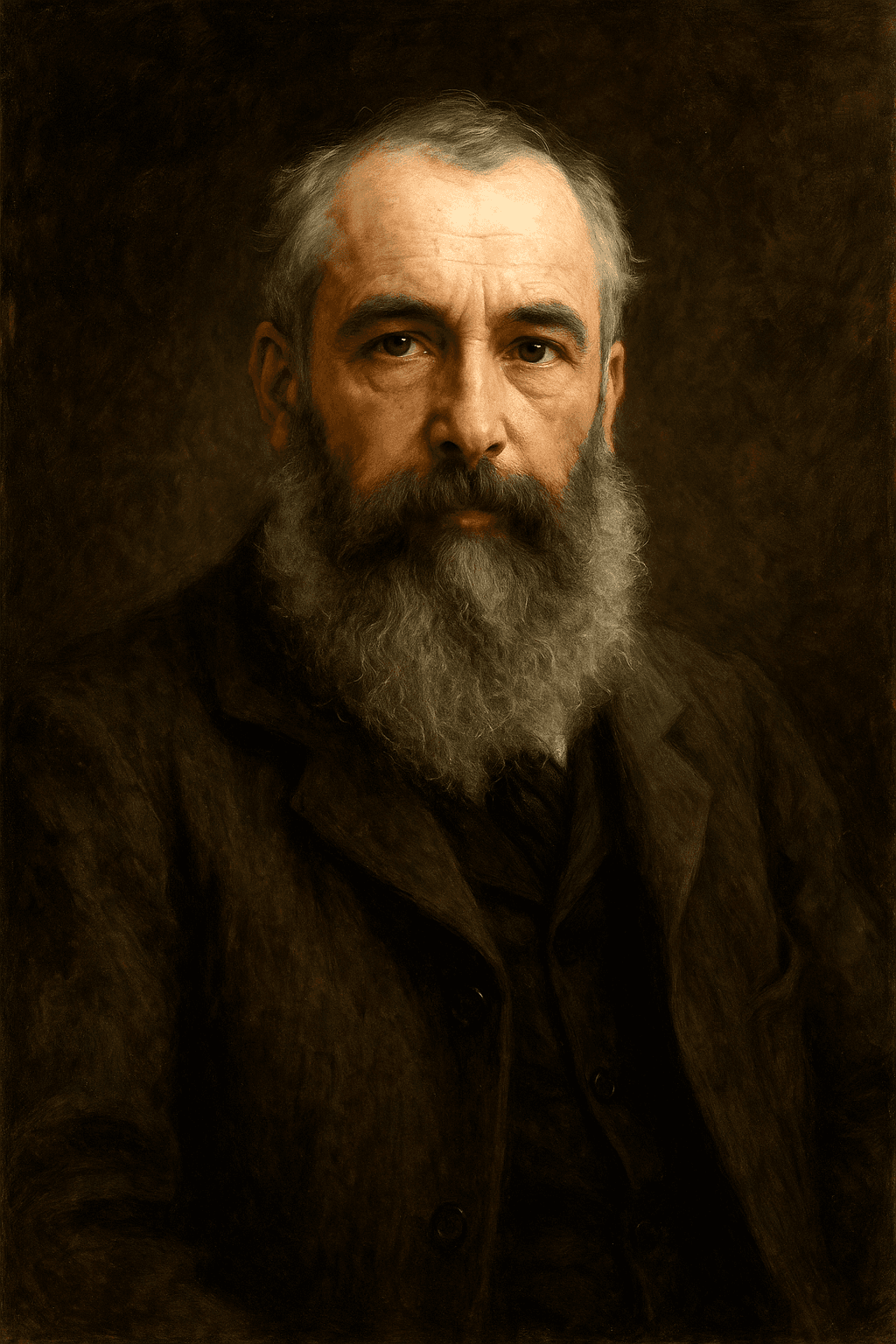
1926 - Giverny
Place story available
I am eighty-five years old and the garden is still outside the window.
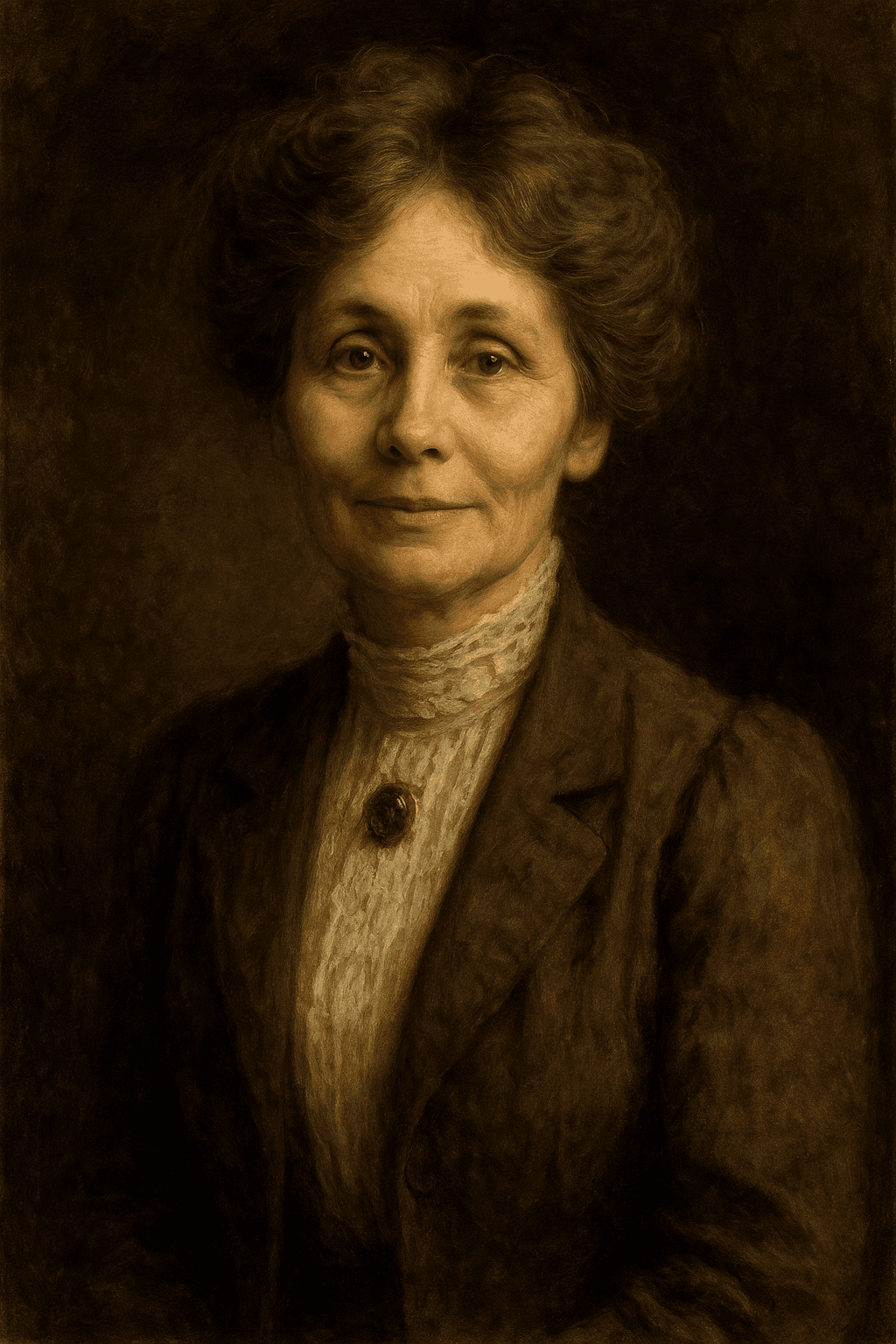
1928 - London
Place story available
The woman who led the suffragette movement writes what polite history will refuse to include about the fight for the vote.
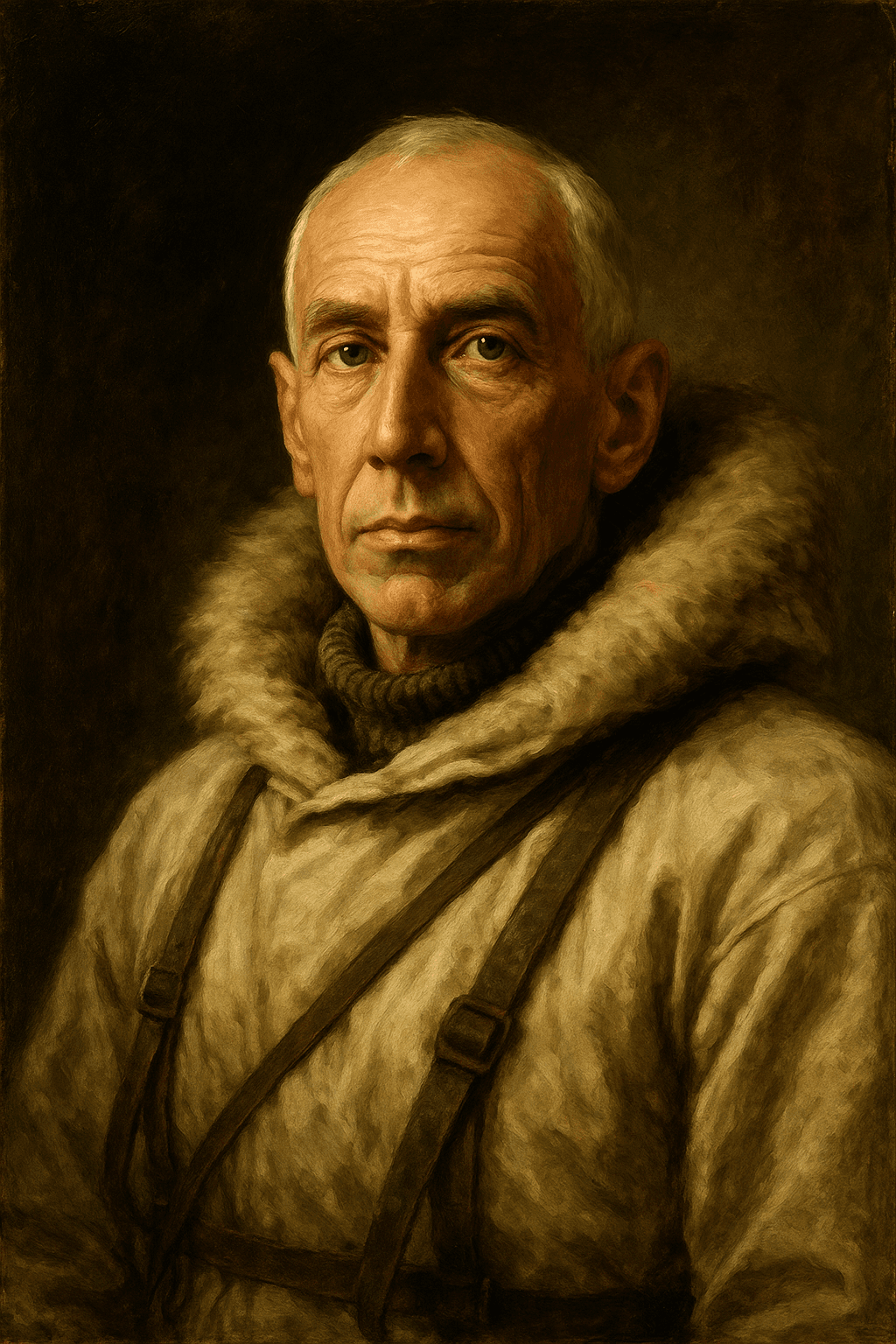
1928 - Tromso
Place story available
In the quiet between departures, the first man to reach the South Pole reflects on the expeditions that defined him and the one that will end him.
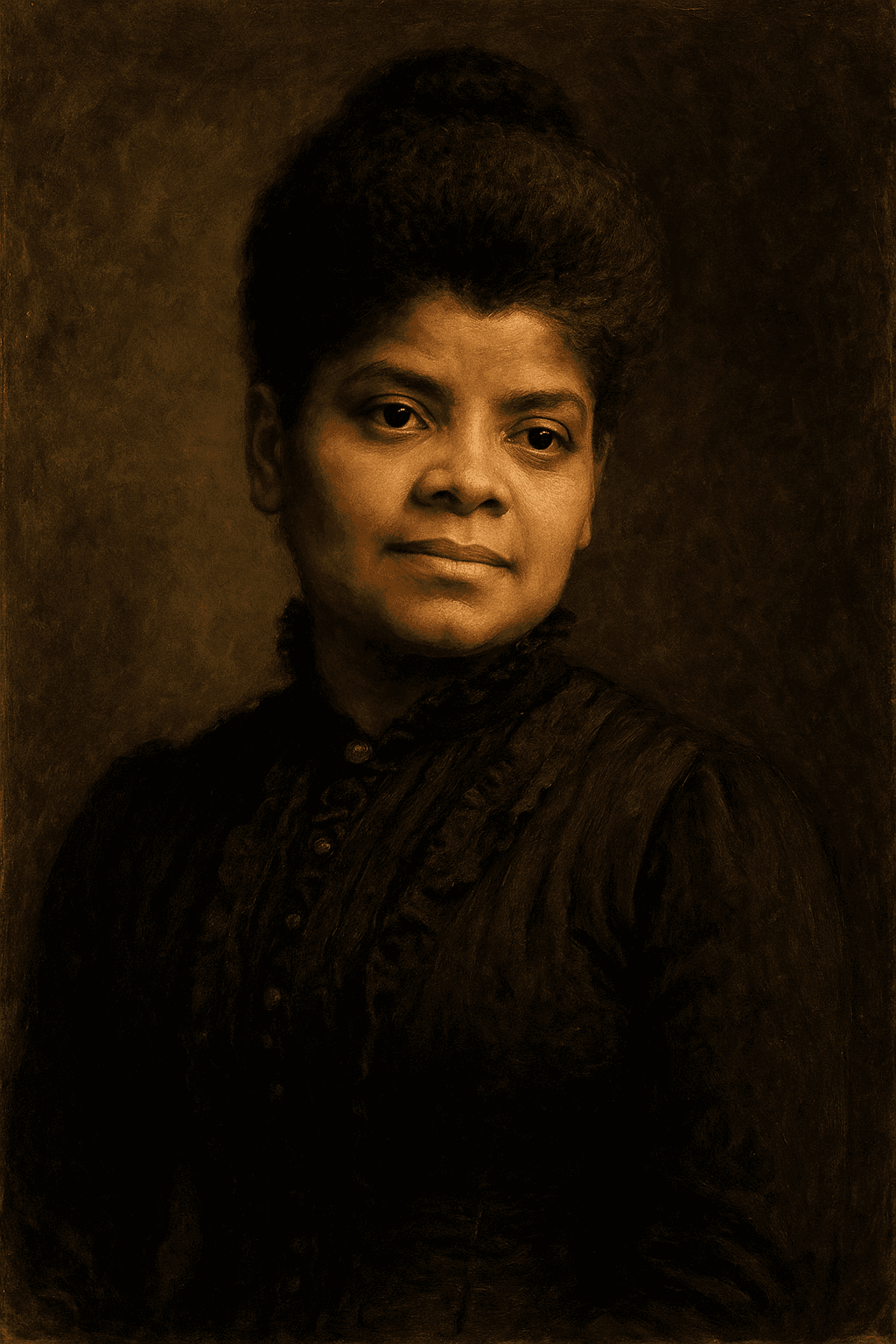
1930 - Chicago
Place story available
In a quiet house in Chicago, a journalist who documented lynching sets down the evidence that America tried to silence.
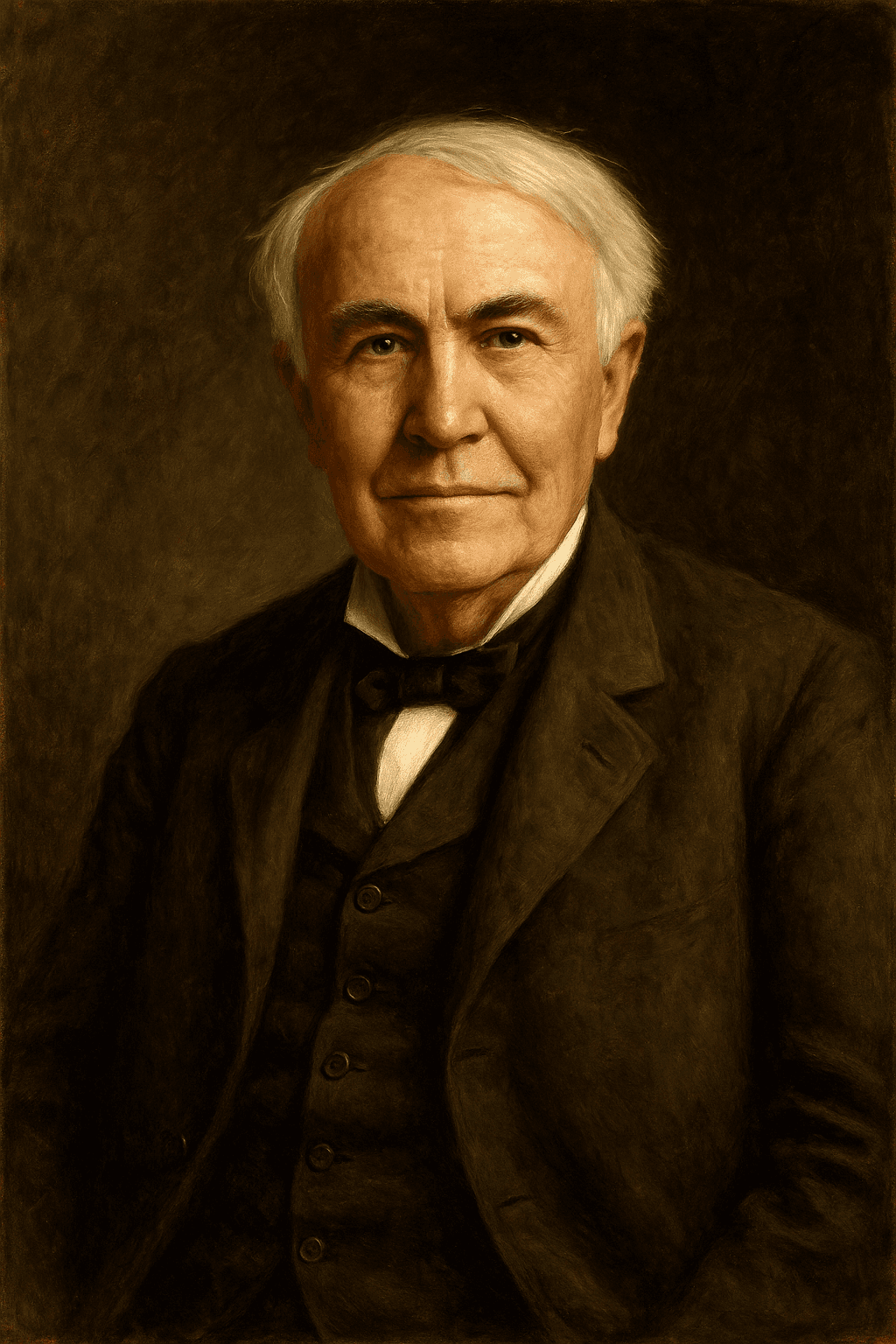
1931 - West Orange, New Jersey
Place story available
In West Orange, with the weight of laboratories behind him, the man who invented the modern age confronts what invention actually costs.
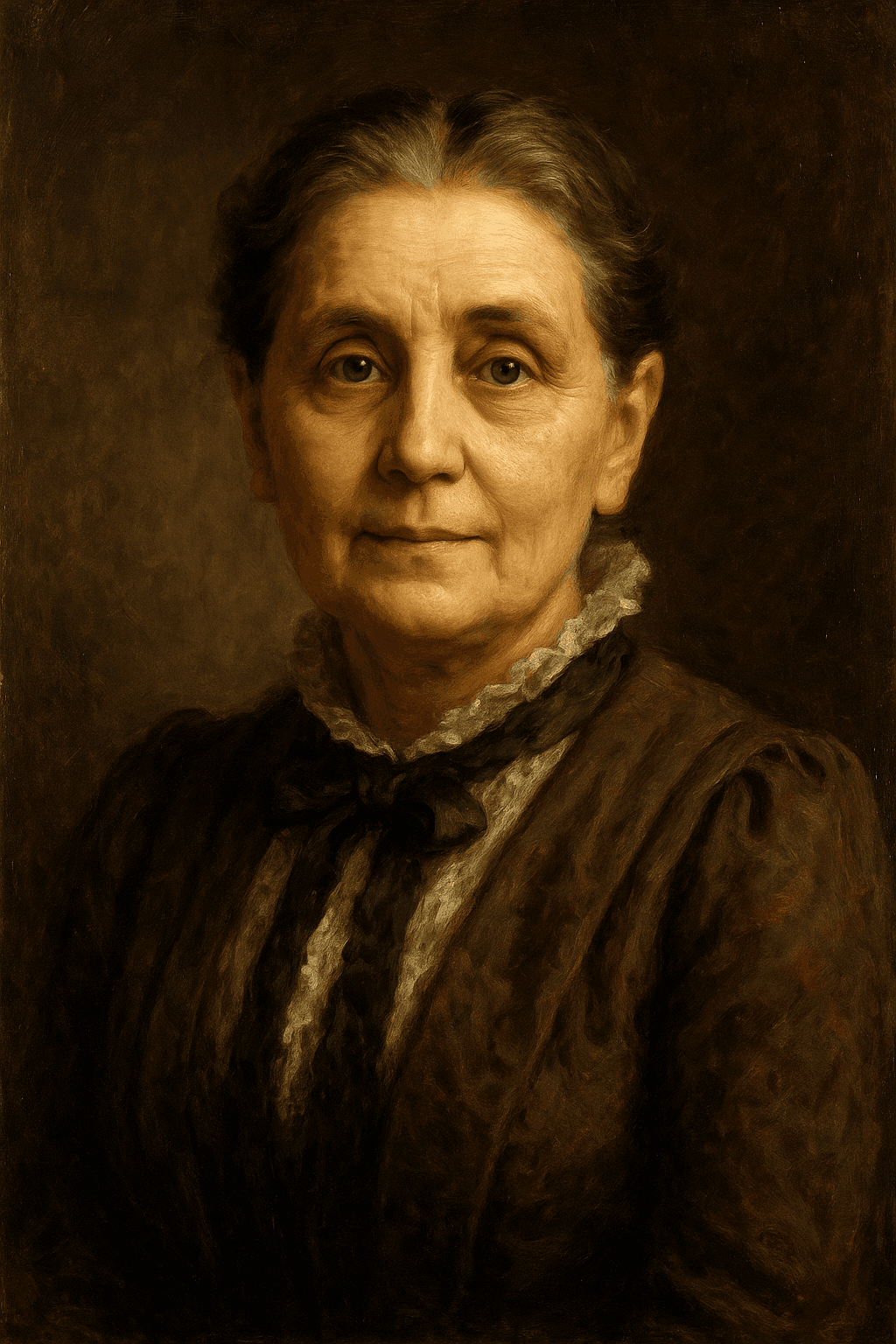
1934 - Chicago
Place story available
In Chicago, the founder of Hull House reflects on what reform cost her and what the Depression is doing to everything she built.
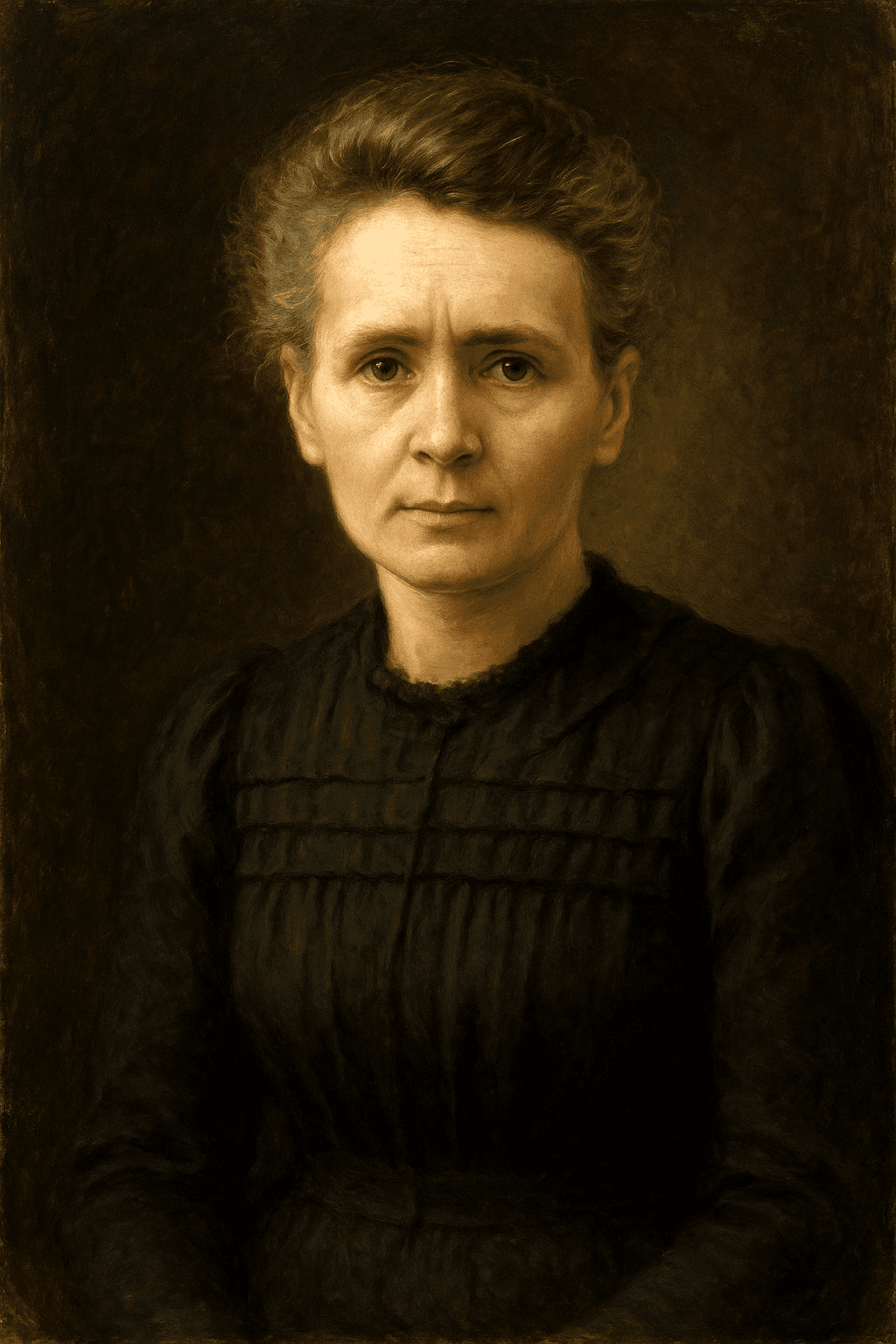
1934 - Passy, France
Place story available
In Passy, while her blood fails her, the only person to win Nobel Prizes in two sciences reflects on what discovery actually costs.
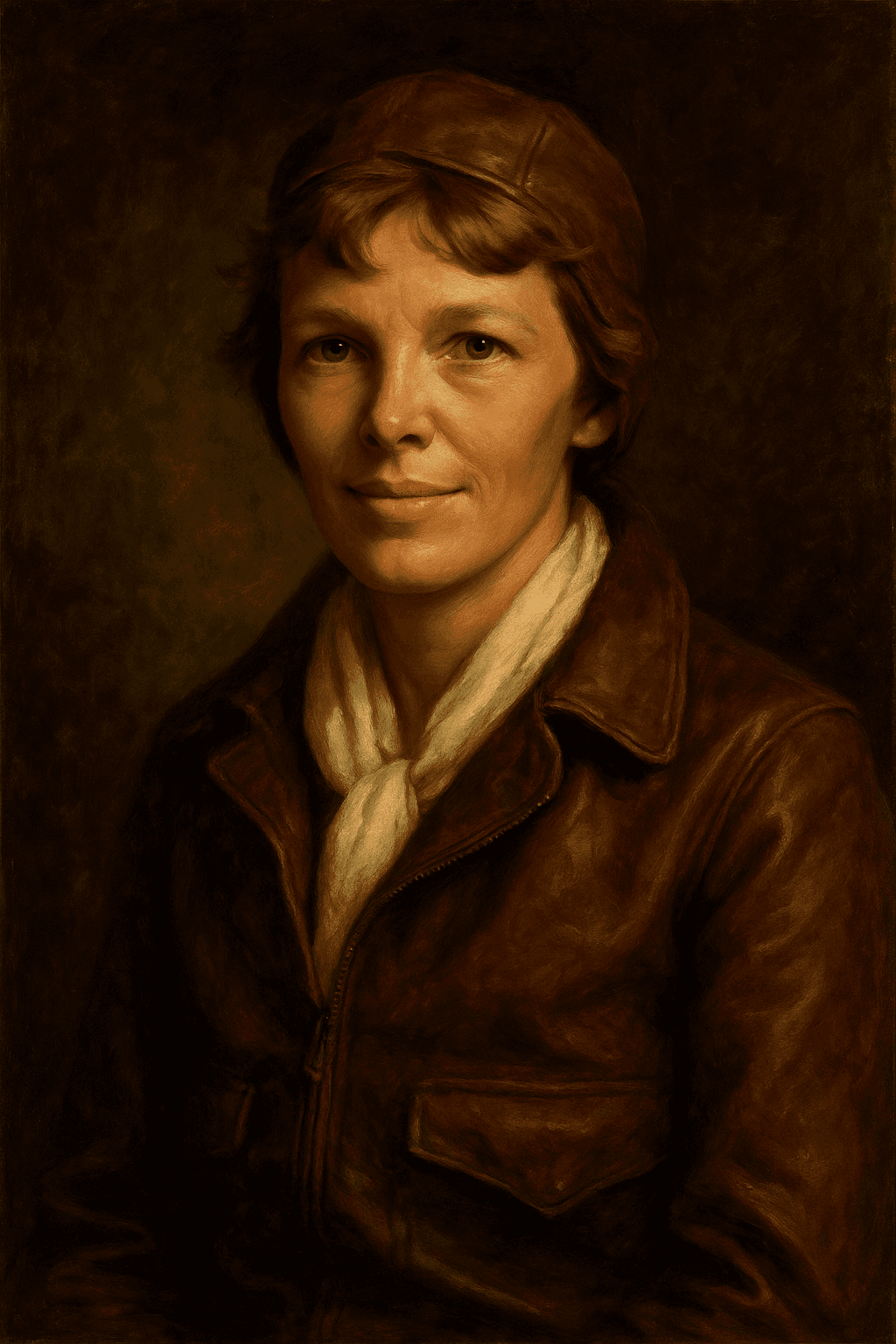
1937 - Lae, New Guinea
Place story available
In the heavy heat of Lae, with the hardest leg of the flight ahead, a pilot who redefined what women could do writes what the headlines never captured.
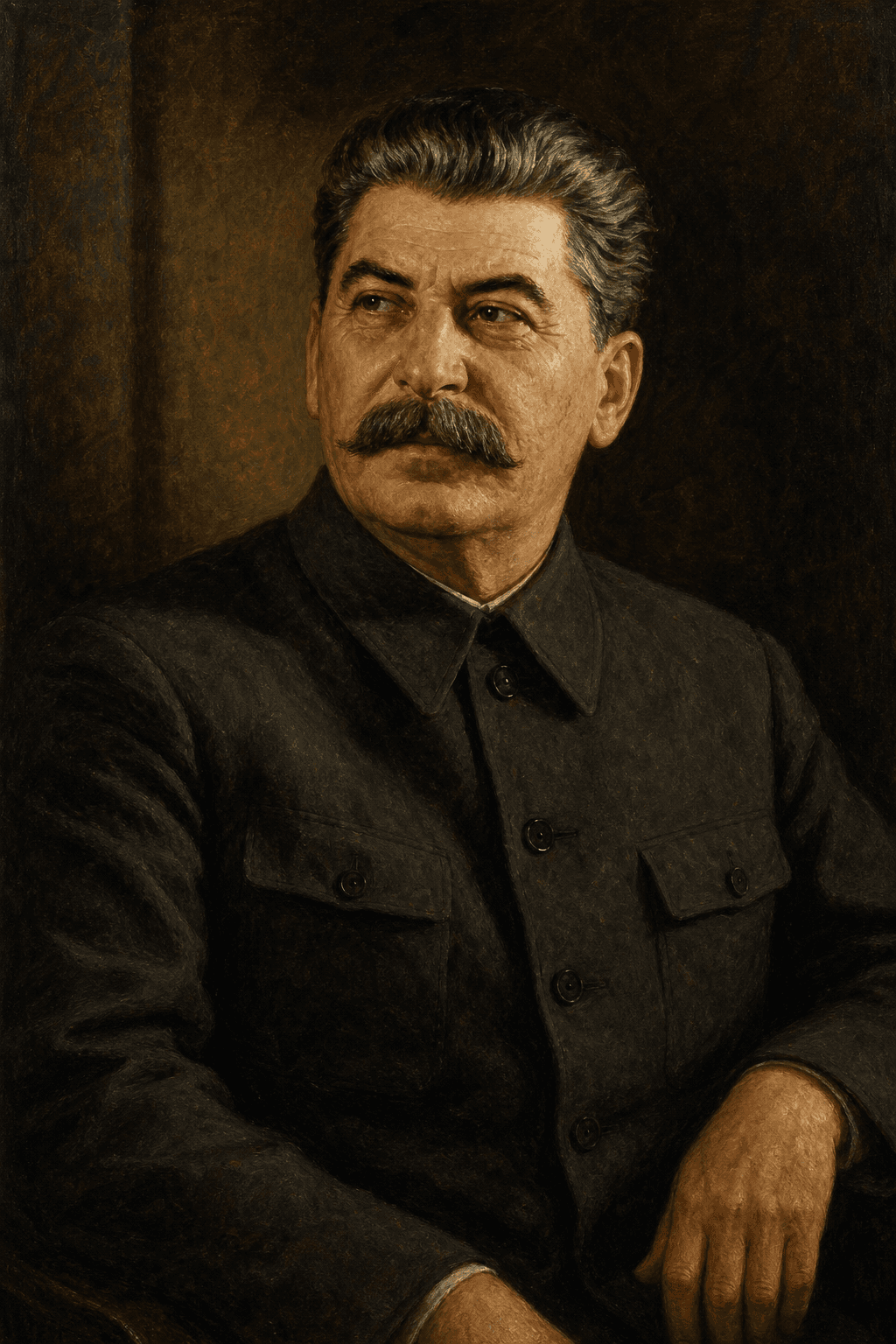
1937 - Moscow (the Kremlin office, in the night)
Place story available
A ruler works through nightly lists of names marked for arrest, the camps, or execution, signing regional quotas as if approving production targets and reading confessions extracted under torture as administrative confirmations rather than as the manufactured fictions and the murders they are.
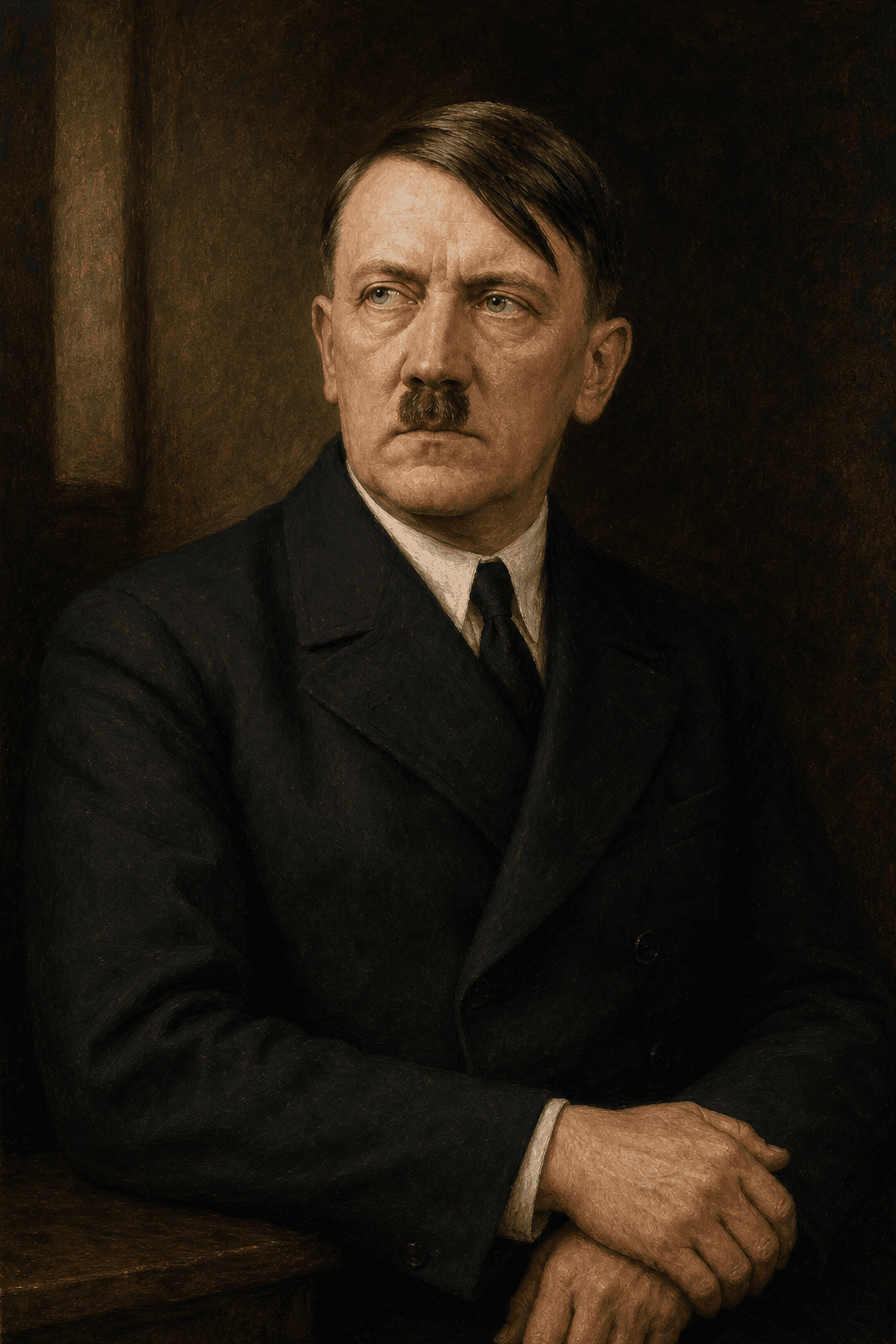
1942 - Germany / occupied Europe
Germany, 1942.
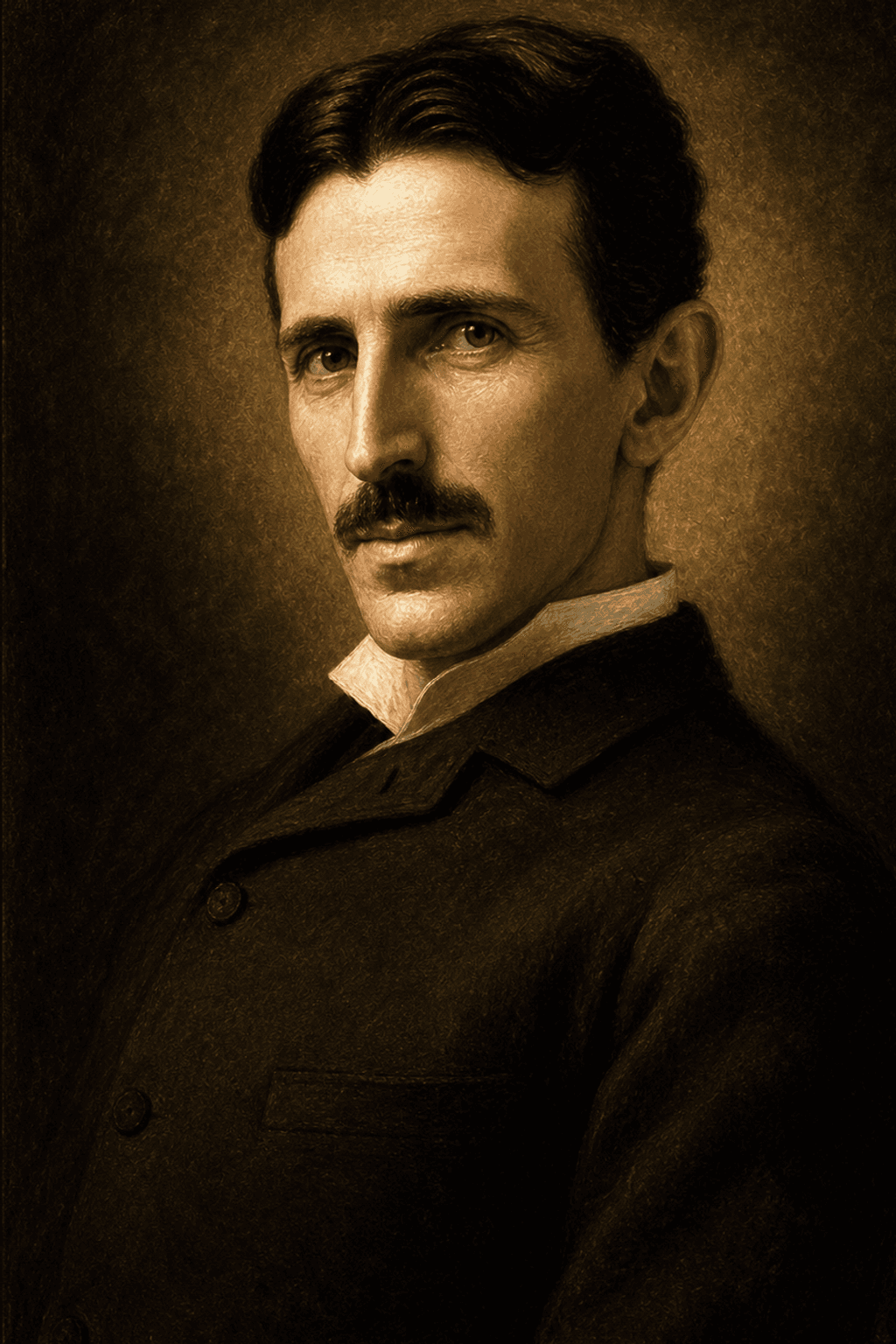
1942 - New Yorker Hotel, New York
Watched by maids, creditors, and memory alike, the inventor who lit the world reflects on the difference between vision and vindication.
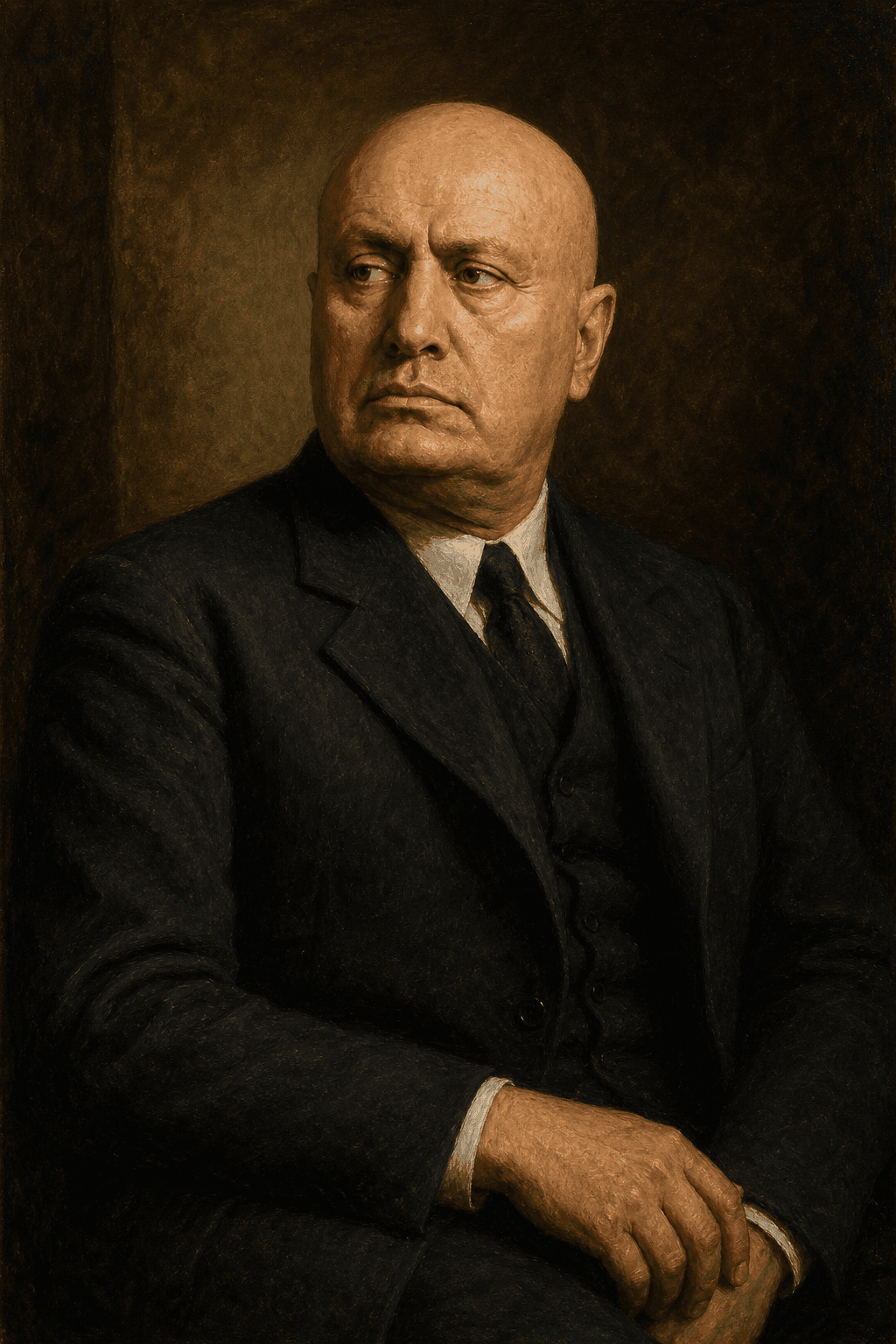
1944 - the Salò Republic (Lake Garda; the offices at Gargnano)
Place story available
A deposed dictator, reinstalled as figurehead of a puppet republic by the foreign power that rescued him, performs the rituals of authority he no longer holds, issuing decrees and communiqués into a regime that exists only as German-dependent theatre.
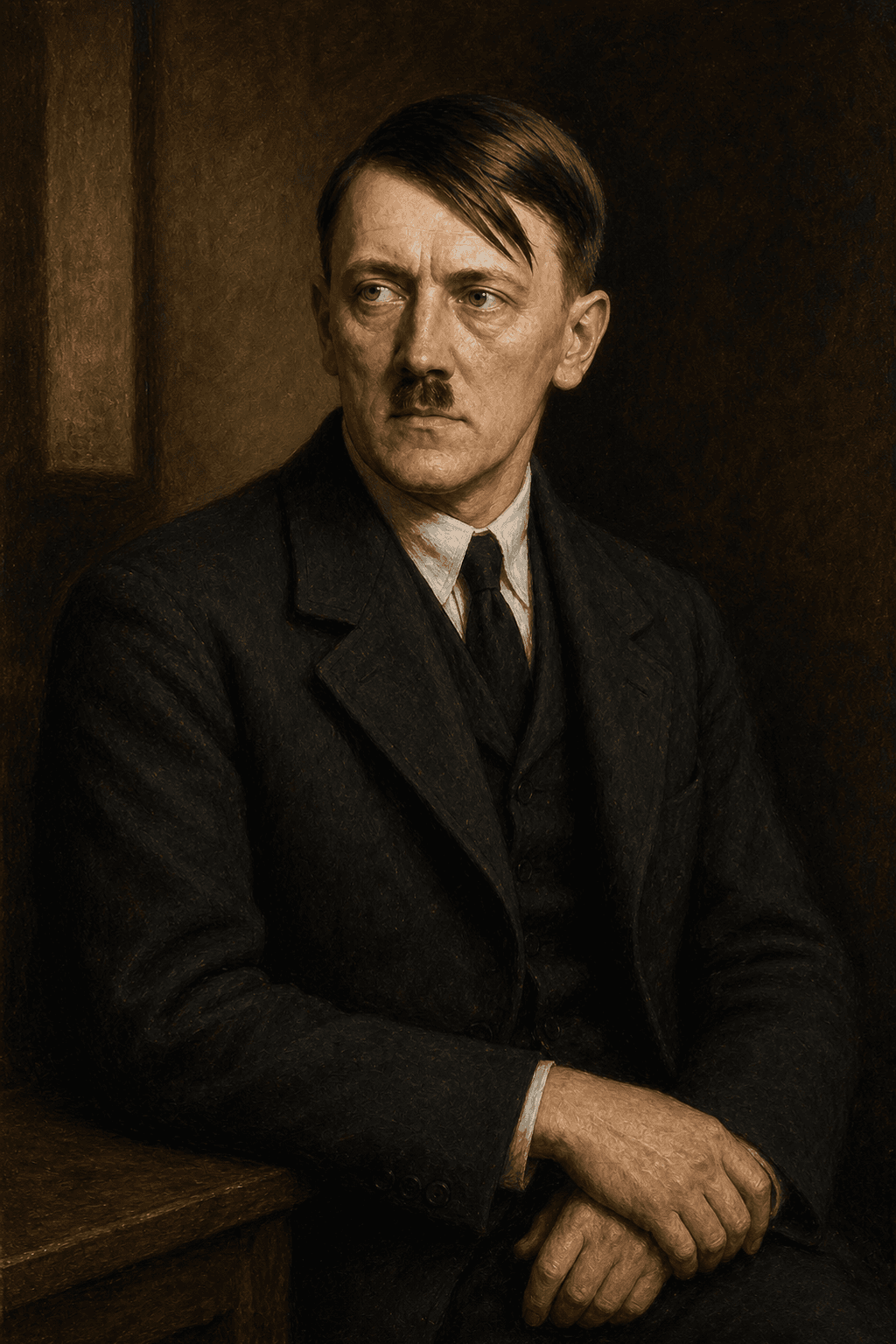
1945 - A sealed command bunker beneath the Reich Chancellery garden, Berlin, late April 1945 (the Führerbunker; the Soviet 1st Belorussian Front under Zhukov closing on the city centre; days before the figure's suicide on 30 April 1945).
Place story available
In a sealed command bunker beneath the Reich Chancellery garden in Berlin in late April 1945, with the Soviet armies closing on the city centre and the relief attack he ordered found not to have been made, the head of a collapsing state moves formations that no longer exist across a situation map, routes the catastrophe onto the treason of others, and goes on issuing the orders that are still killing above him.
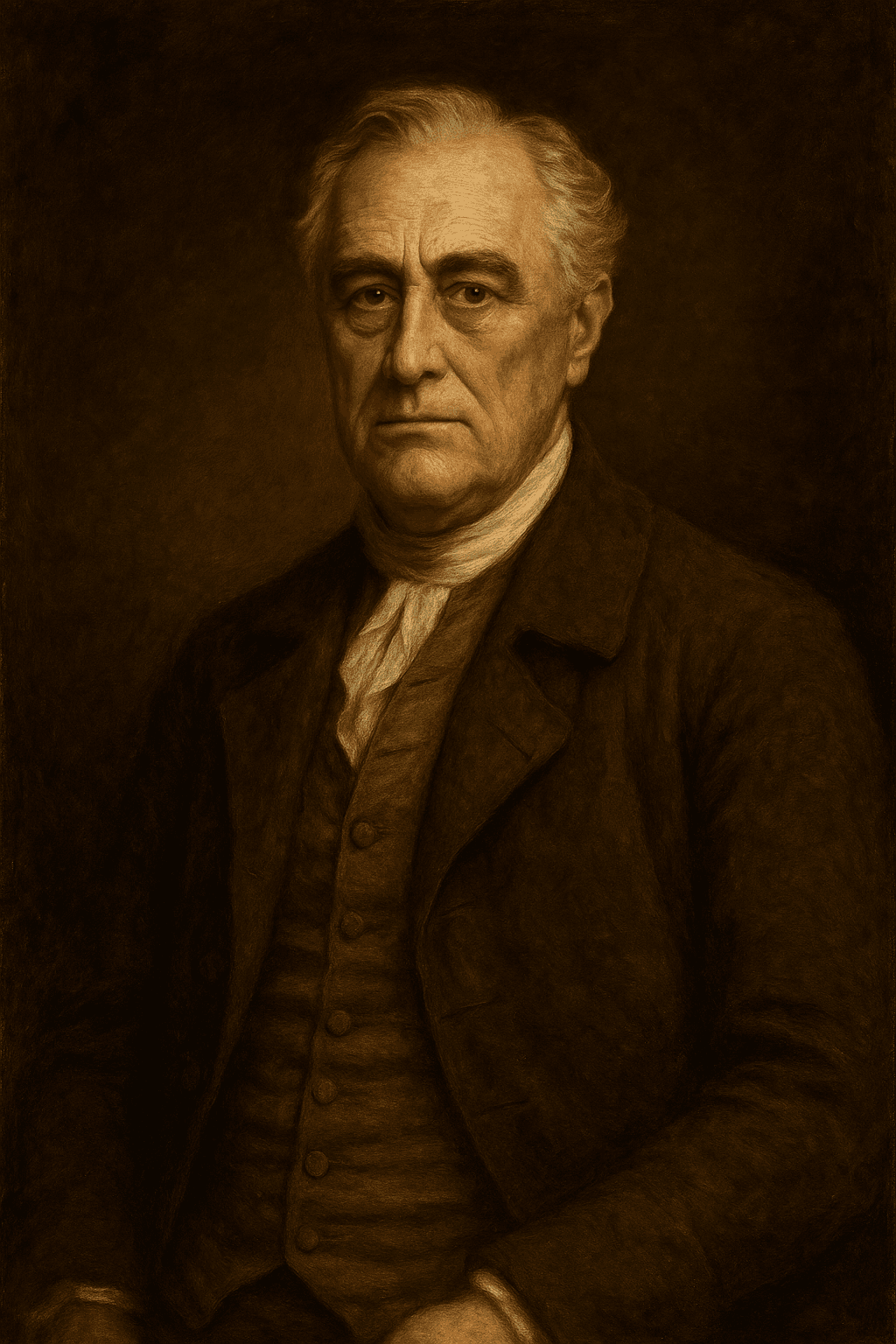
1945 - Warm Springs
Place story available
Concealed weakness, wartime reassurance, and the private cost of calm.
In the final weeks of the war, a president whose body has been failing for years faces the cost of leading from a wheelchair.
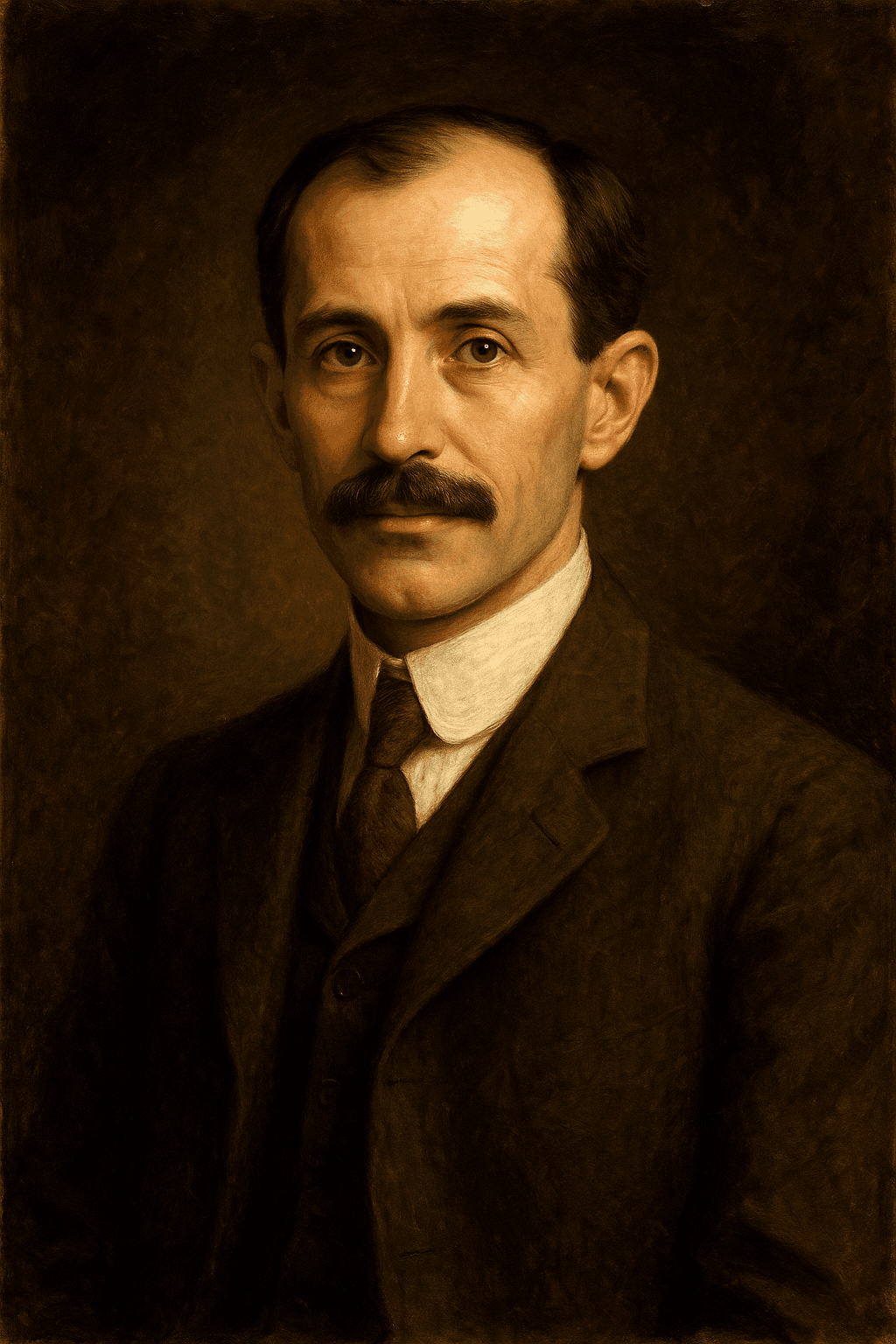
1947 - Dayton, Ohio
Place story available
In Dayton, in rooms that have outlasted the century, the surviving Wright brother reflects on the twelve seconds that changed the world — and the decades of argument that followed.
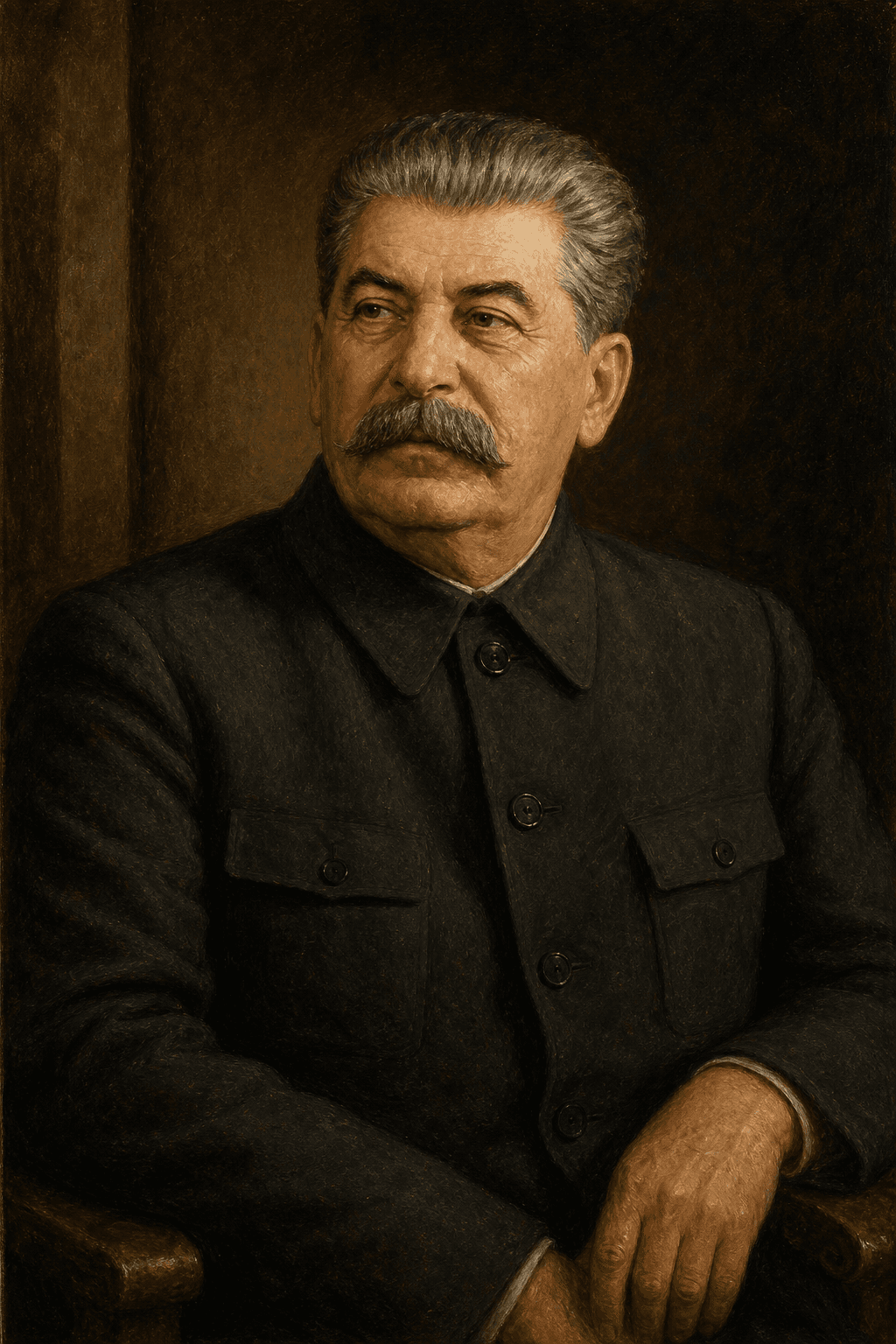
1953 - the Kuntsevo dacha, outside Moscow
Place story available
A ruler whose lifelong control ran through guards, secretaries, and doctors lies collapsed on the floor of his dacha while the apparatus of fear he built leaves the staff too frightened to enter or to summon help, the control-system turning fatally inward.
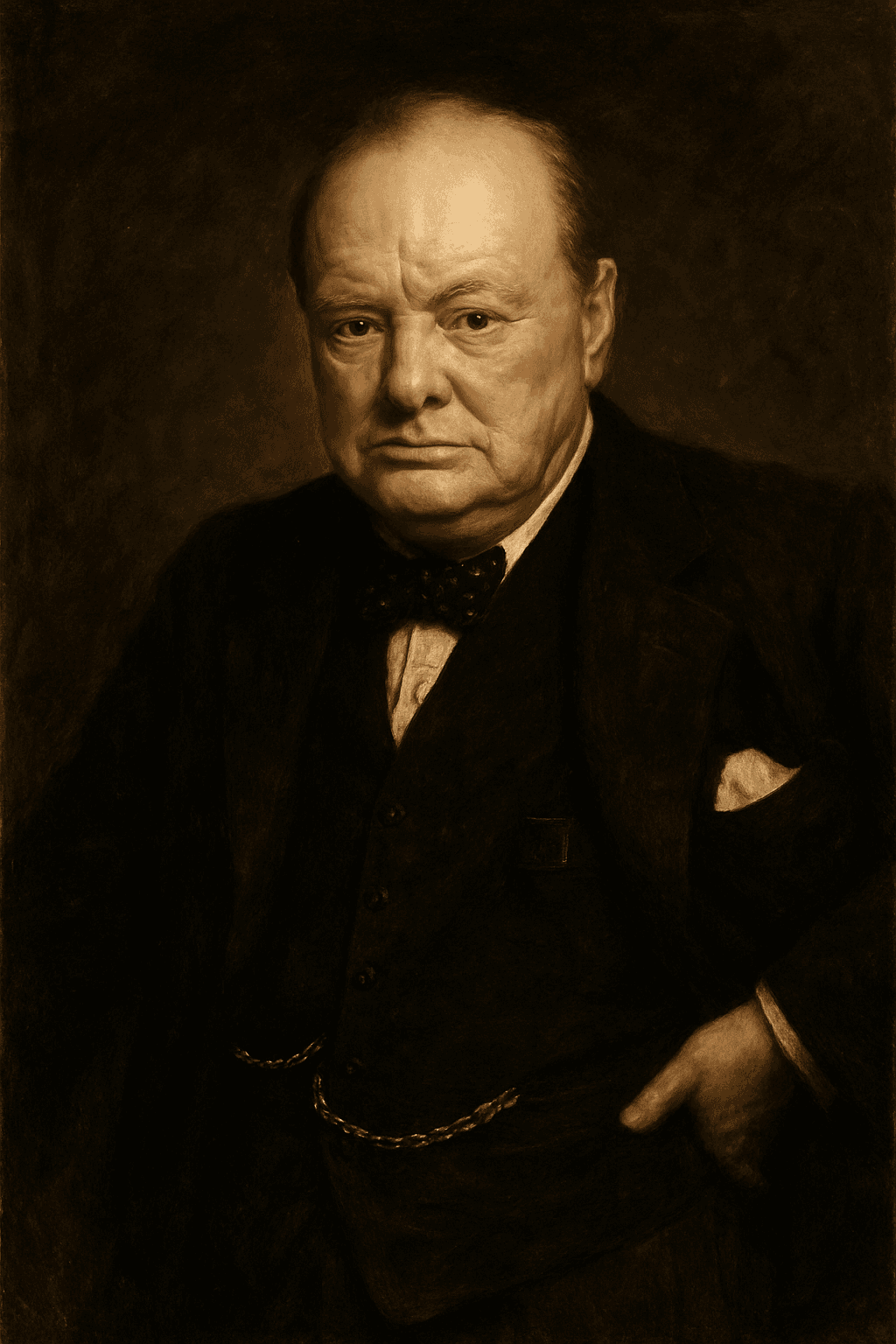
1955 - Hyde Park Gate, London
Victory, ageing power, and the fight to shape the peace.
After the war, after the applause, after the second stroke — a prime minister reckons with what victory actually cost.
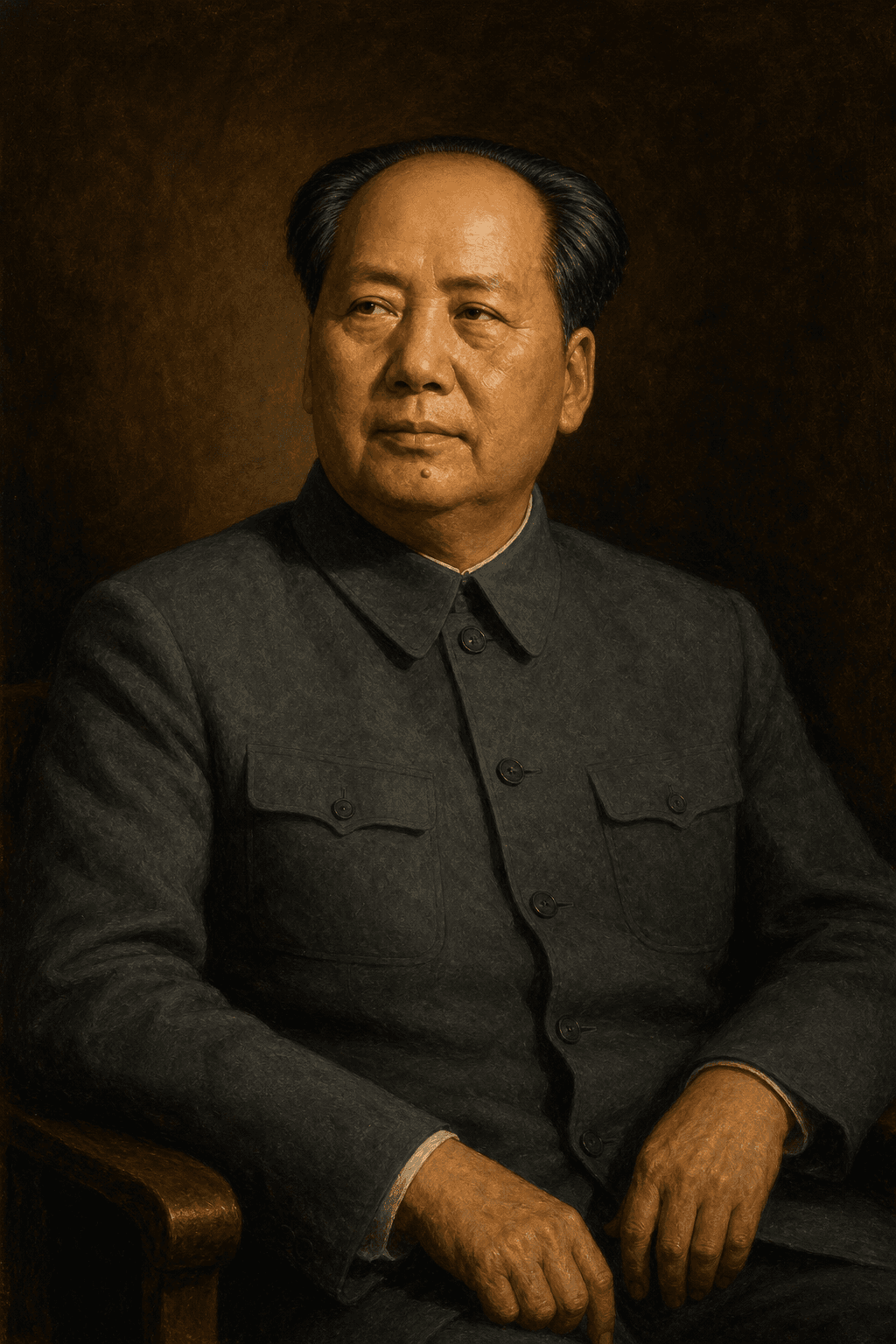
1959 - the Beijing study at Zhongnanhai (the desk where the provincial production returns are read), in the months following the Lushan Conference
Place story available
A chairman in his Beijing study reads the inflated production figures the provinces have learned to send up, treating reports manufactured to survive the recent purge of Peng Dehuai as administrative confirmation that the policy is working, while the state requisition apparatus takes grain at the reported rate from villages in Xinyang prefecture and elsewhere where the families are already starving.
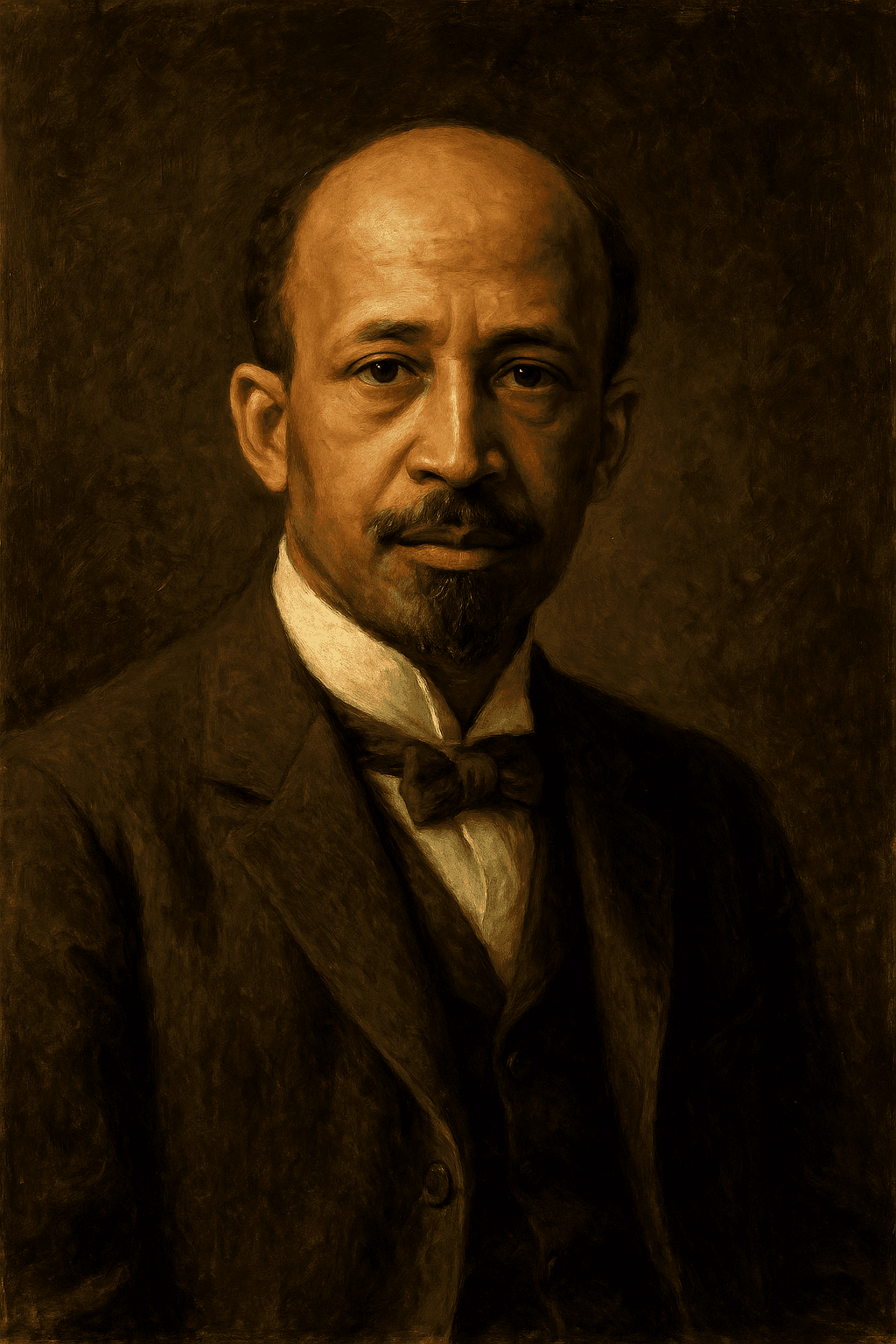
1961 - Accra
Place story available
In Accra, an intellectual who spent a lifetime fighting for Black America explains why he left the country he tried to save.
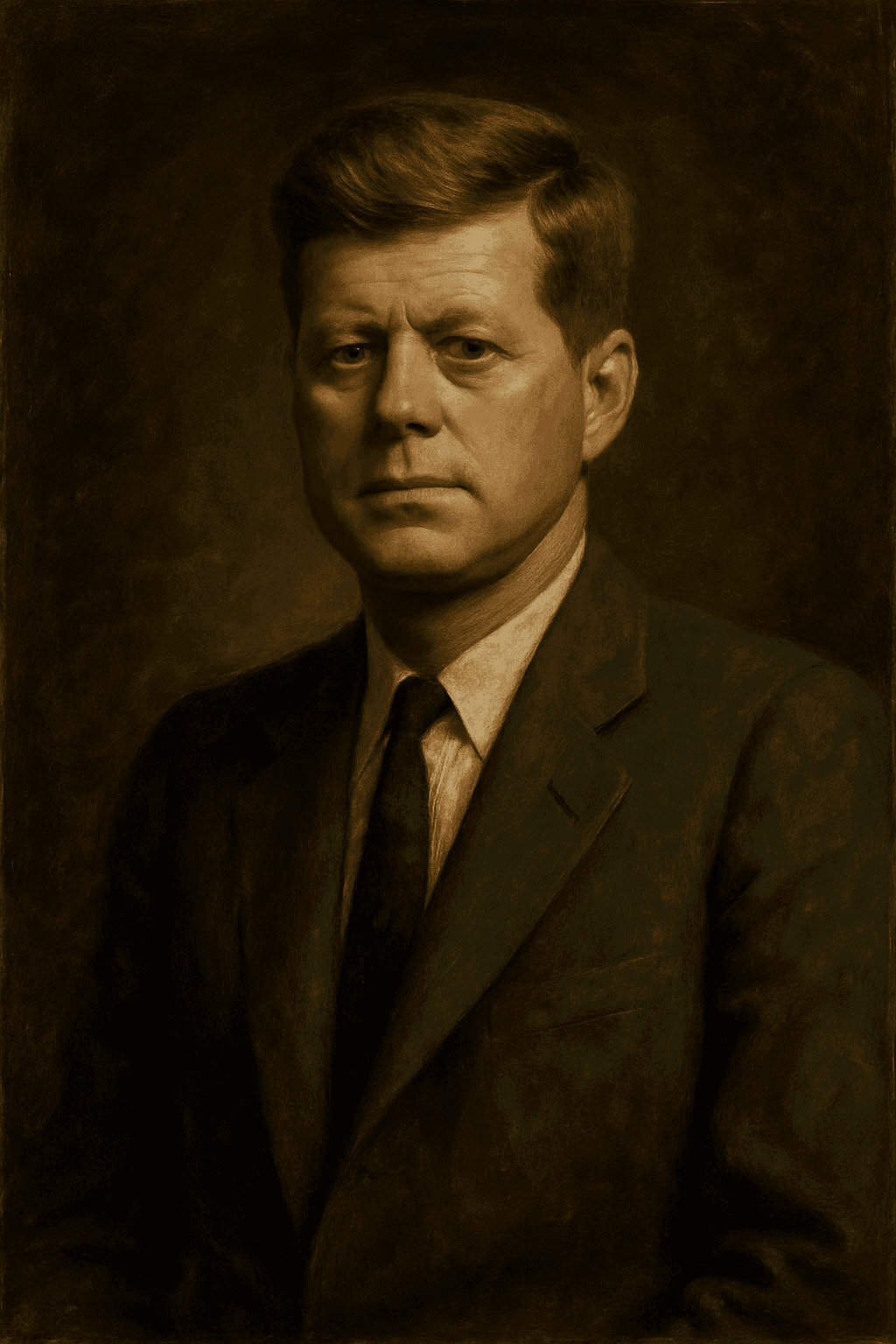
1963 - White House
Place story available
Pain management, speed, and mythmaking around youthful command.
In the White House, between pain and intelligence briefings, a president writes what the cameras were never allowed to see.
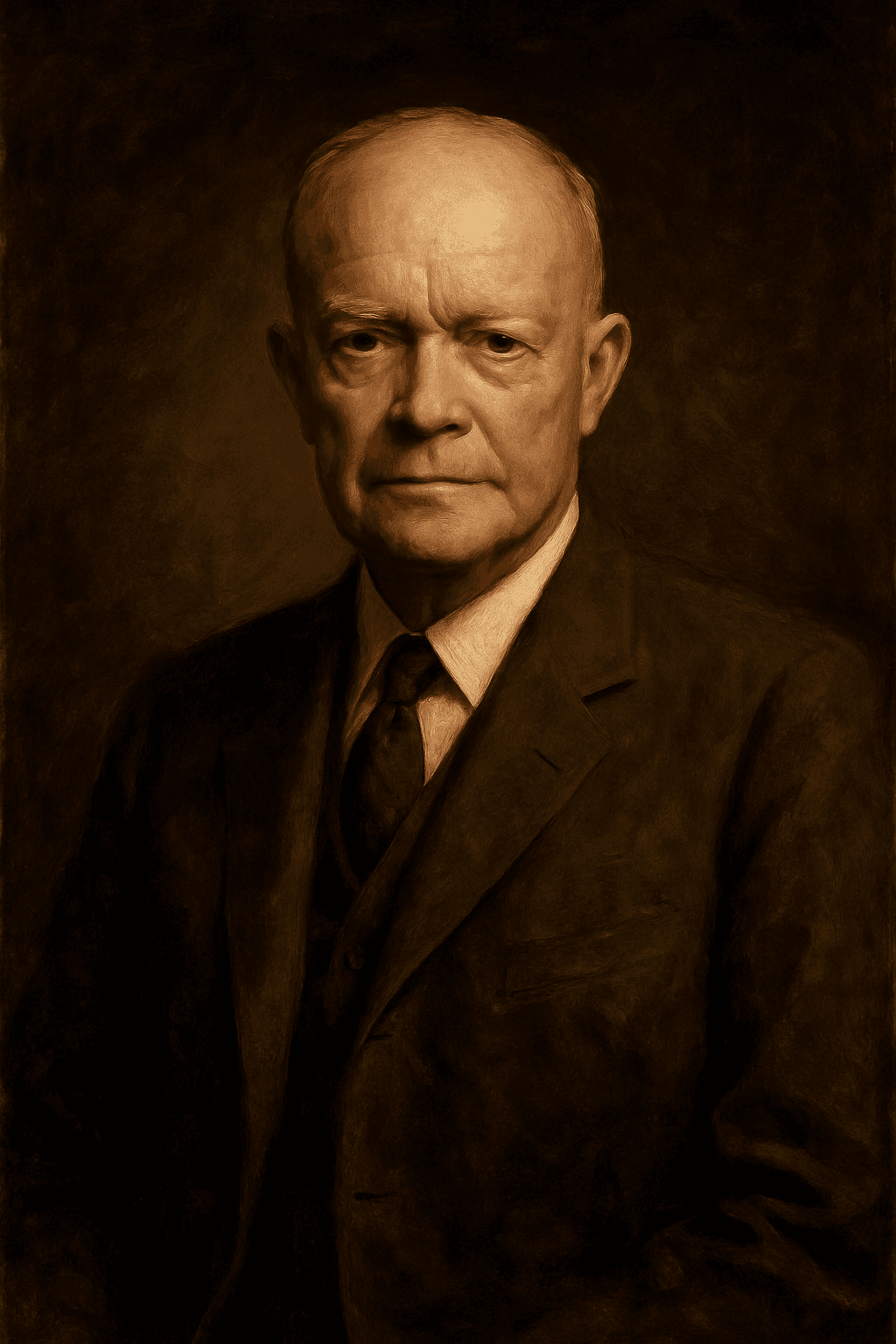
1968 - Gettysburg, Pennsylvania
Place story available
Order, fatigue, and the afterlife of command in a disordered republic.
On his farm in Gettysburg, a general who commanded the liberation of Europe reflects on the wars that followed.
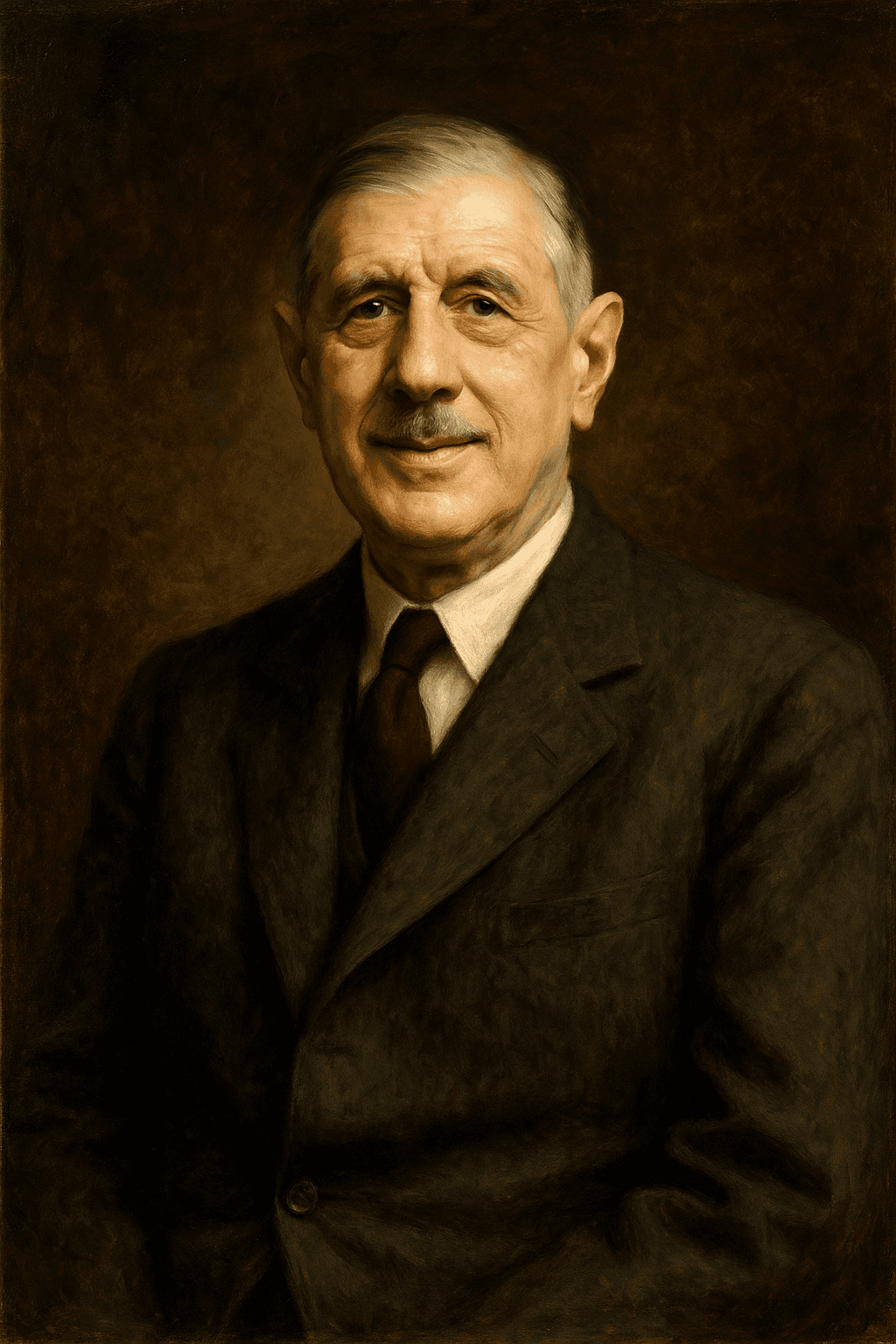
1969 - Colombey-les-Deux-Eglises
Place story available
Rejection, national embodiment, and the politics of post-power simplification.
At Colombey, having walked away from power a second time, a general asks whether France understood what he tried to build.
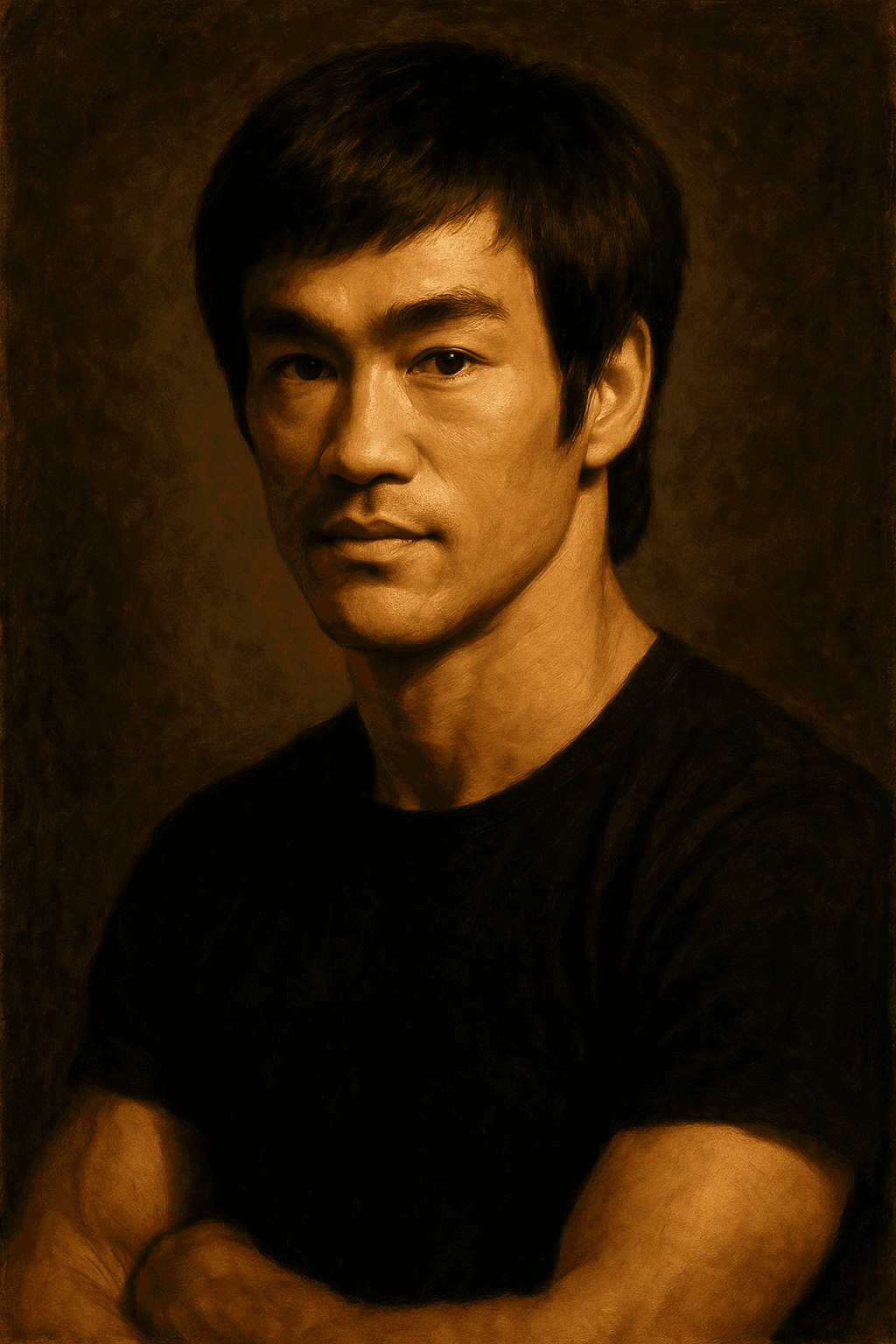
1973 - Hong Kong (Golden Harvest studios, Kowloon)
Place story available
Raymond has the morning's call sheet at the editing bay and the choreographer's apprentice is at the small stage with the third pickup's blocking, and I keep my hand on the storyboard because if Raymond sees the headache at the level of yesterday's storyboard he will postpone the third pickup to Friday, and the third pickup is the pickup Game of Death's nunchaku sequence requires before the Friday's stage call.
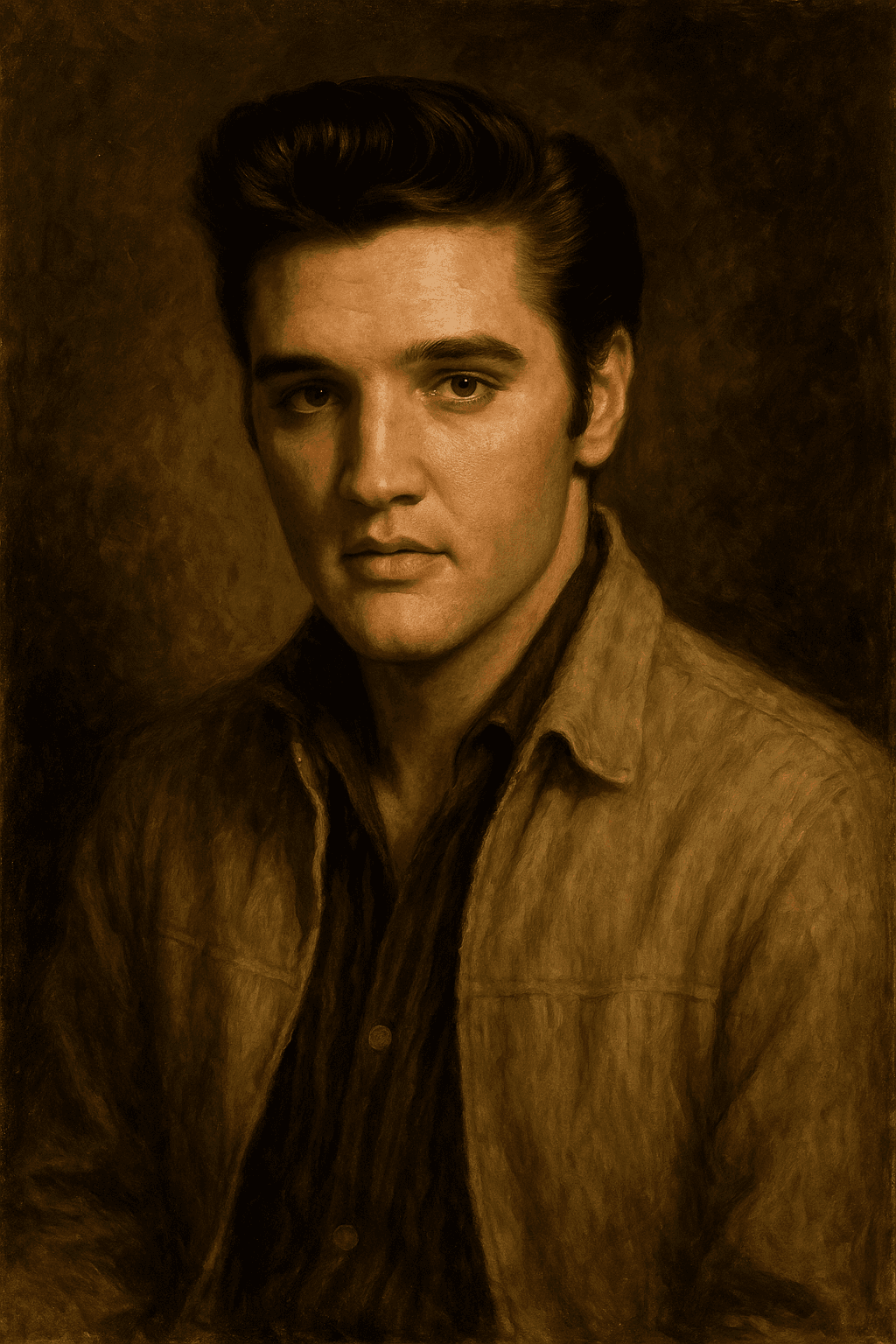
1977 - Graceland
Place story available
In the upstairs office at Graceland with the curtains drawn against the Memphis heat and Lisa Marie somewhere down in the house, I am setting my own account down on a yellow legal pad in the days before the tour opens in Portland, Maine on the seventeenth of August, still certain that the voice and the show will answer when I call them the way they always have, even as the body slows under me and the house closes in around the certainty.
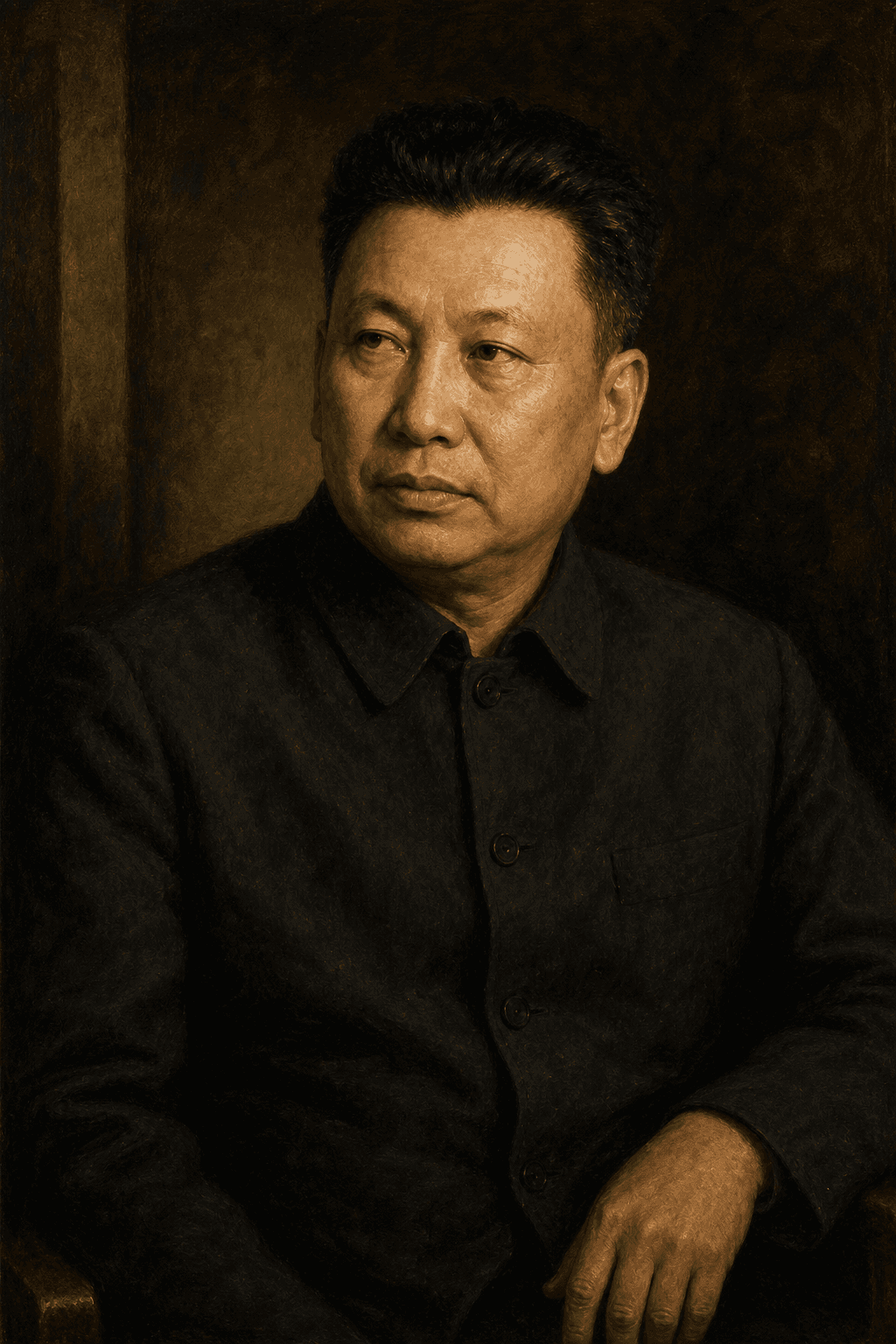
1977 - a concealed leadership compound in Phnom Penh (K-1 or K-3, autumn 1977; the figure operates under the name Pol Pot through Angkar, without public identification)
Place story available
A revolutionary operating under the concealed identity of Pol Pot reads the confession lists produced at S-21, treating names supplied under torture as administrative confirmation that the doctrine of category elimination must continue and that the party itself must be purged of the colleagues the manufactured confessions have just named.

1991 - London (Garden Lodge, 1 Logan Place, Kensington)
Place story available
Mary has the morning's Garden Lodge accounts at the small table by the door and Jim is at the lower kitchen with the afternoon's instructions for the cat-staff, and I keep my hand on the EMI press statement because if Mary sees the statement before the press release's hour is settled with Roxy Meade Mary will telephone Brian and Roger before the press release's first paragraph is at the EMI office's printer, and the first paragraph is the paragraph Brian and Roger are to read in the morning paper and not in Mary's voice.
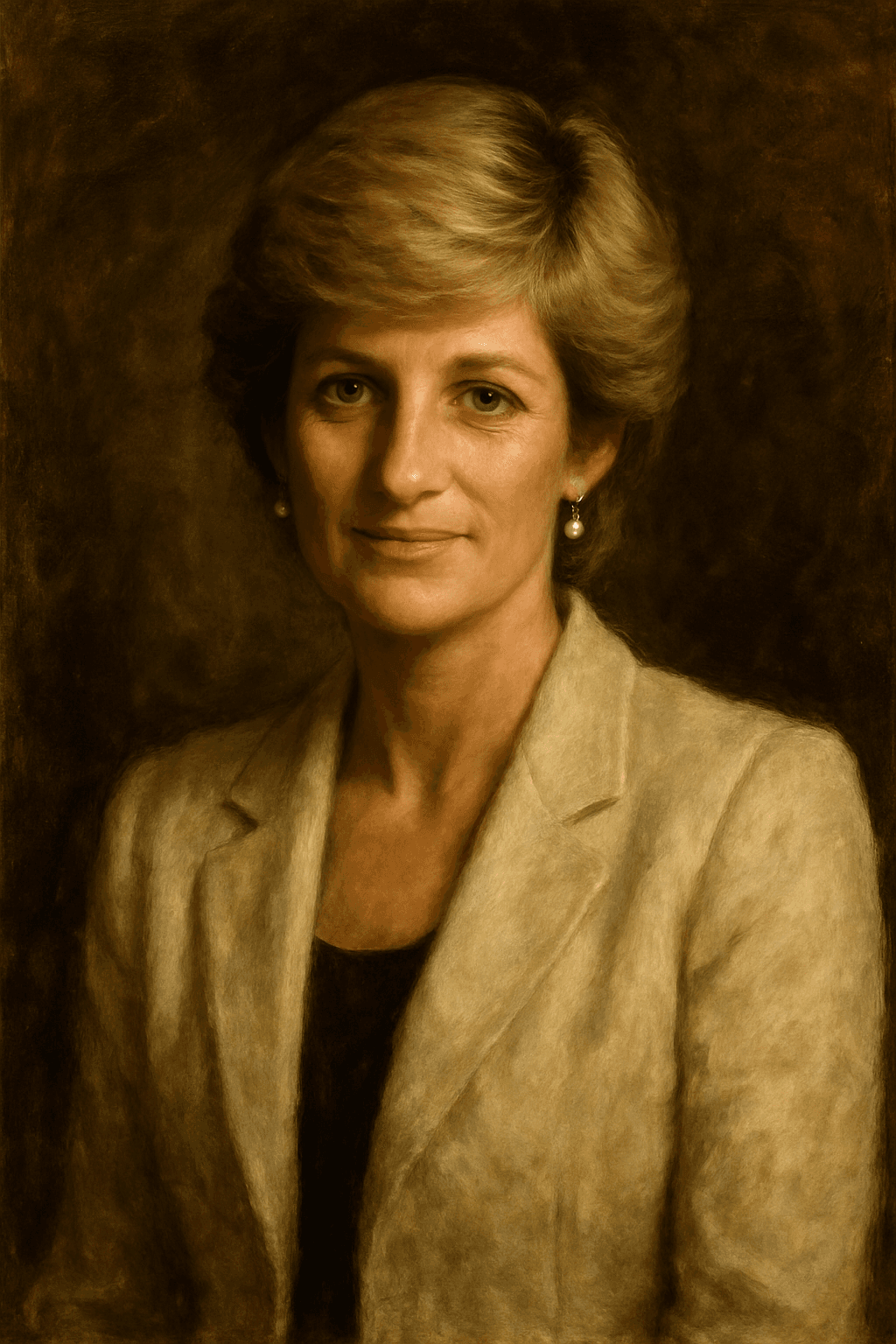
1996 - Kensington Palace
Place story available
In the small writing room at the back of Apartment Eight, three days after the divorce was made absolute and the letter from the Queen?s office removing my style of Her Royal Highness went into the drawer of my mother?s old desk, I am setting down my own account of myself, on plain paper, while I still can, before the version of me being assembled in rooms I am not in finishes replacing the one I can still recognise as mine.
A contrasting life shaped by art and creation.
I am thirty-seven years old and the mornings here in Auvers open like pale wounds that at once become doors, the white of the sky before sunrise so thin it is almost not there, and then suddenly all the wheat, the roofs, the paths, the cypresses farther off, the church tower, the chalk of the roads, even the black crows when they rise late and violently as if shaken out of the fields by some hand under the earth, all of it begins to burn without flame and then there is only one possible answer to that kind of light, which is work, work at once, work before the pressure changes its colour, before the afternoon comes with its pushing, with the inward crowding that is not merely in the head but in the whole air around the head, as if the day itself had leaned too close.
Open this life